
Buying real estate in a place like Corona del Mar opens up big possibilities—but the path you take depends strongly on why you're buying. Are you purchasing your everyday home, one you live in, unwind in, personalize—and stay in long term? Or are you acquiring a property that you’ll rent out, manage from afar, flip or treat as an income-generating asset?
Even within one of Southern California’s most desirable coastal neighborhoods, the distinction between a primary residence and an investment property matters a lot—from loan terms to tax implications, from lifestyle fit to financial management. At Valia Properties, we help buyers navigate both lanes deliberately so your choice aligns with what you want today and where you plan to go tomorrow.
1. Purpose and mindset: living vs income
When you buy a primary residence, your mindset is rooted in lifestyle: this is your home. You’re choosing things like proximity to the beach, walkability, schools, community vibe, and how you’ll enjoy the place day to day. You’re thinking about how you live. You’re emotionally invested in how the space feels, what you’ll add or change, how you’ll unwind after work, host friends or family, create memories.
When you buy an investment property, the mindset shifts toward income, asset performance, and value growth. Location still matters—perhaps even more—but you’re thinking about rental demand, return on investment, cost of maintenance, vacancy risk, property management. Your personal lifestyle might be peripheral; the property exists to perform financially.
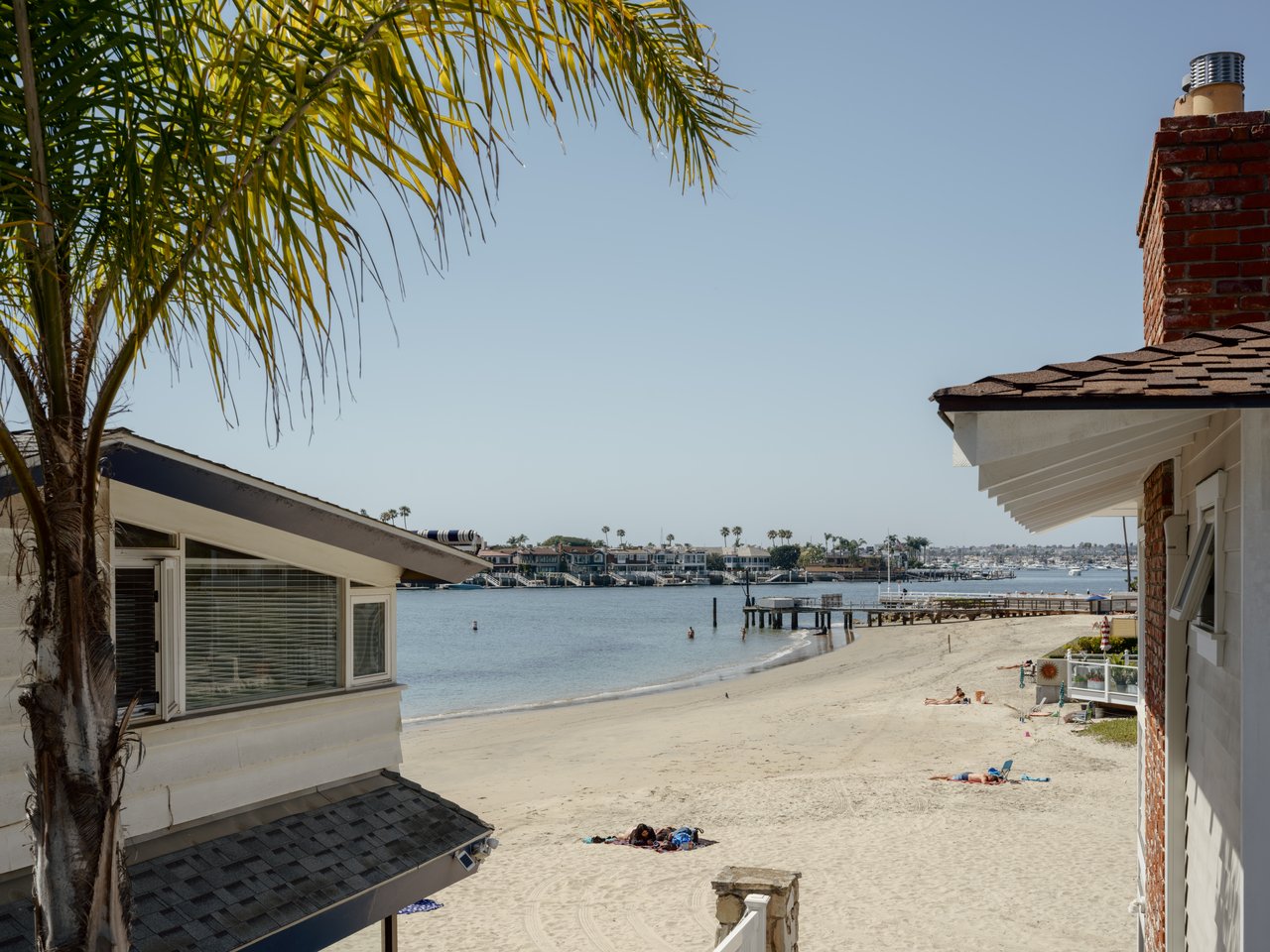
In Corona del Mar that means: Are you buying because you want to live steps from tide pools, cafés and the blufftops? Or because you see premium demand for vacation-rentals, premium coastal zip-codes, and a chance to generate cash flow or appreciation? The answer should steer every other decision.
When you buy an investment property, the mindset shifts toward income, asset performance, and value growth. Location still matters—perhaps even more—but you’re thinking about rental demand, return on investment, cost of maintenance, vacancy risk, property management. Your personal lifestyle might be peripheral; the property exists to perform financially.
In Corona del Mar that means: Are you buying because you want to live steps from tide pools, cafés and the blufftops? Or because you see premium demand for vacation-rentals, premium coastal zip-codes, and a chance to generate cash flow or appreciation? The answer should steer every other decision.
2. Financing and lender treatment
Lenders view primary residences and investment properties differently. For a primary residence, mortgages tend to come with more favorable features: lower interest rates, smaller down payments, less stringent reserve requirements. Loans on investment properties come with higher interest rates, larger down payments and stricter requirements.
In contrast, investment property loans often demand higher down payments (often 20 % or more), higher credit scores, and proof of rental income potential or property income analysis.
For example, you might need to demonstrate months of mortgage payment reserves, a lower debt-to-income ratio, and a different interest rate.
In the context of Corona del Mar—where property values are high and competition is strong—this means you’ll need to enter the transaction with a clear plan. If you’re buying to live in, you’ll focus on what you need for lifestyle comfort and long-term stability. If buying to invest, you’ll budget for higher cash-outlays and think about how the numbers stack up (mortgage + taxes + insurance + maintenance versus rental income or appreciation).
In contrast, investment property loans often demand higher down payments (often 20 % or more), higher credit scores, and proof of rental income potential or property income analysis.
For example, you might need to demonstrate months of mortgage payment reserves, a lower debt-to-income ratio, and a different interest rate.
In the context of Corona del Mar—where property values are high and competition is strong—this means you’ll need to enter the transaction with a clear plan. If you’re buying to live in, you’ll focus on what you need for lifestyle comfort and long-term stability. If buying to invest, you’ll budget for higher cash-outlays and think about how the numbers stack up (mortgage + taxes + insurance + maintenance versus rental income or appreciation).
3. Tax and sale implications
Tax treatment diverges substantially between primary residences and investment properties. If you live in the home for two of the five years preceding sale, you may qualify for a capital gains exclusion of up to $250,000 ($500,000 for married couples) on the sale of a primary residence.
On the other hand, investment properties don’t qualify for that exclusion; instead you face capital gains tax plus rules like depreciation recapture, and if you sell you might consider a 1031 exchange to defer taxes.
In Corona del Mar, where home values often appreciate significantly, the tax difference alone can push the decision one way or the other. If you plan to make your home your long-term residence, you’re buying not just for value increase but for life enjoyment. If you buy to invest, you must run your numbers knowing you’ll treat the property as part of an income stream, with associated tax complexities.
On the other hand, investment properties don’t qualify for that exclusion; instead you face capital gains tax plus rules like depreciation recapture, and if you sell you might consider a 1031 exchange to defer taxes.
In Corona del Mar, where home values often appreciate significantly, the tax difference alone can push the decision one way or the other. If you plan to make your home your long-term residence, you’re buying not just for value increase but for life enjoyment. If you buy to invest, you must run your numbers knowing you’ll treat the property as part of an income stream, with associated tax complexities.
4. Location, property features & market dynamics
Because Corona del Mar is a highly desirable coastal neighborhood, the line between “home” and “investment” can blur, but it remains important. If you’re buying a primary residence, you may prioritize features like finishes you love, outdoor space, proximity to amenities, size and layout that suit your living style—even if those things don’t always optimize rental yield.
If you’re buying an investment property, you’ll emphasise units that rent well, are low-maintenance, appealing to tenants or vacationers, with good property management possibility. You may target properties slightly removed from the ultra-luxury finish-level required for a lived-in home if your goal is returns rather than full lifestyle luxury.
The local market facts matter: mortgage financing will differ; appreciation potential is high; but rental regulations (short-term rentals, HOA rules, local zoning) can affect viability. The key is matching property type to purpose.
If you’re buying an investment property, you’ll emphasise units that rent well, are low-maintenance, appealing to tenants or vacationers, with good property management possibility. You may target properties slightly removed from the ultra-luxury finish-level required for a lived-in home if your goal is returns rather than full lifestyle luxury.
The local market facts matter: mortgage financing will differ; appreciation potential is high; but rental regulations (short-term rentals, HOA rules, local zoning) can affect viability. The key is matching property type to purpose.
5. Maintenance, management, and risk
Living in your primary residence means you’re making lifestyle choices—but you’re also absorbing maintenance, upgrades, and you enjoy the benefit directly. You might invest in bespoke amenities, paint colours, landscaping, furnishings because you’ll live there. Risk of vacancy doesn’t apply.
An investment property carries additional risks and obligations: tenant turnover, property management, regulatory compliance, wear and tear from renters, the possibility of vacancy or non-payment, the need to maintain competitive rental rates. You may hire a property manager, account for maintenance budgets, insure for landlord liability rather than homeowner occupancy. The risk profile is higher, and lenders could view these investment properties as higher risk because tenant occupancy may vary. Owners may de-prioritise payments on non-lived-in property.
In a premium market like Corona del Mar, you’ll want to ask: if I rent this out, will demand stay steady? What are HOA or local zoning rules for rentals? What are vacancy-loss risks? If you live there, you’ll ask: does the property suit my lifestyle, commute, family needs, future resale?
An investment property carries additional risks and obligations: tenant turnover, property management, regulatory compliance, wear and tear from renters, the possibility of vacancy or non-payment, the need to maintain competitive rental rates. You may hire a property manager, account for maintenance budgets, insure for landlord liability rather than homeowner occupancy. The risk profile is higher, and lenders could view these investment properties as higher risk because tenant occupancy may vary. Owners may de-prioritise payments on non-lived-in property.
In a premium market like Corona del Mar, you’ll want to ask: if I rent this out, will demand stay steady? What are HOA or local zoning rules for rentals? What are vacancy-loss risks? If you live there, you’ll ask: does the property suit my lifestyle, commute, family needs, future resale?
6. Time horizon and exit strategy
With a primary residence, your time horizon is often long term. You intend to live in the home, perhaps raise a family, stay for a decade or more. The lifestyle payoff matters. Your exit strategy might simply be “sell when next neighbourhood opportunity arises” or “stay indefinitely.”
With an investment property, your time horizon might vary—perhaps you plan to hold for 5-10 years, collect cash flow, then sell for appreciation or move into it later (a “live in” conversion). The exit strategy may also include a 1031 exchange or a resale within a particular market window. You’ll plan for market cycles, tax consequences, and possibly refinancing.
In Corona del Mar you might decide: I’ll buy this now as my home and stay for 20 years; or I’ll buy this unit now as a rental because demand near the coast is strong, then sell or convert later. Each choice requires clarity from the start.
With an investment property, your time horizon might vary—perhaps you plan to hold for 5-10 years, collect cash flow, then sell for appreciation or move into it later (a “live in” conversion). The exit strategy may also include a 1031 exchange or a resale within a particular market window. You’ll plan for market cycles, tax consequences, and possibly refinancing.
In Corona del Mar you might decide: I’ll buy this now as my home and stay for 20 years; or I’ll buy this unit now as a rental because demand near the coast is strong, then sell or convert later. Each choice requires clarity from the start.
7. Emotional and lifestyle factors
Often undervalued in the discussion is the emotional or lifestyle component of buying a primary residence. You’ll live in this space, make memories, design how you use it. You’ll care about neighbourhood dynamics, daylight in your kitchen, beach access, view, sense of community.
By contrast, an investment property is typically more about performance than feelings. You may still choose a good location—but you may not care about how you feel in the home day to day because you won’t live there. That difference can reduce the “love it” factor but elevate the “analyze it” factor.
In Corona del Mar, if you’re buying a home you intend to live in, you’ll likely prioritise walkability to the beach, community, interior finishes, long-term comfort. If buying for investment you’ll prioritise rental demand, durability, and manageable property costs. Knowing which lens you’re wearing is crucial.
By contrast, an investment property is typically more about performance than feelings. You may still choose a good location—but you may not care about how you feel in the home day to day because you won’t live there. That difference can reduce the “love it” factor but elevate the “analyze it” factor.
In Corona del Mar, if you’re buying a home you intend to live in, you’ll likely prioritise walkability to the beach, community, interior finishes, long-term comfort. If buying for investment you’ll prioritise rental demand, durability, and manageable property costs. Knowing which lens you’re wearing is crucial.
8. Which path is right for you—questions to ask
To decide between a primary residence and an investment property in Corona del Mar, ask yourself:
-
Am I planning to live in this home for most of the year? If yes, it’s a primary residence.
-
Is my goal to generate income or appreciation rather than live in the property? If yes, it’s an investment property.
-
Do I need the most favourable financing, minimal down payment, simpler tax rules? Then primary residence may be best.
-
Am I comfortable with higher down payment, more complex lender and management criteria, tenant risk? Then investment property may be viable.
-
Does the neighbourhood, property type and my lifestyle priorities match living use or rental use?
-
What is my time-horizon? Am I in it for decades (living) or years (investment)?
-
How will taxes, maintenance, and management fit my capacity and comfort level?
Answering these will clarify your direction and help shape how you search, how you finance, and how you manage your ownership.
9. Why working with local advisors like Valia Properties matters here
In a high-end coastal market such as Corona del Mar, local knowledge is key. Whether you’re buying to live or invest, you’ll benefit from someone who knows the market dynamics, zoning/HOA rules, rental demand, lending norms, neighbourhood nuances. At Valia Properties we help you define which path you’re on, tailor your search accordingly, and navigate the details—from loan pre-approval to property suitability to exit planning.
For example, if you’re buying a primary residence in Corona del Mar, we’ll walk you through neighbourhood fit, lifestyle amenities, resale potential, home inspection nuances near the coast (salt air, foundation, seawall context) and long-term comfort. If you’re buying an investment property, we’ll help evaluate rental zoning, potential yield, regulatory changes (short-term vs long-term rental rules), maintenance budgeting, and financial modelling.
For example, if you’re buying a primary residence in Corona del Mar, we’ll walk you through neighbourhood fit, lifestyle amenities, resale potential, home inspection nuances near the coast (salt air, foundation, seawall context) and long-term comfort. If you’re buying an investment property, we’ll help evaluate rental zoning, potential yield, regulatory changes (short-term vs long-term rental rules), maintenance budgeting, and financial modelling.
10. Final thoughts
Choosing whether to buy a primary residence or an investment property isn’t just semantics—it’s foundational. The lender sees you differently, the tax code treats you differently, the property market value trajectory may differ, your emotional engagement is different, and your management burdens vary. In Corona del Mar, where properties hold both lifestyle value and investment value, getting that clarity early matters.
When you’re ready to explore which type of property fits your goals, your finances, and your lifestyle, the team at Valia Properties is here to guide you. Whether you’re settled on living in your next home or generating income from it, we’ll help you chart the path with confidence and expertise.
When you’re ready to explore which type of property fits your goals, your finances, and your lifestyle, the team at Valia Properties is here to guide you. Whether you’re settled on living in your next home or generating income from it, we’ll help you chart the path with confidence and expertise.