The streets of Corona del Mar are more than familiar routes traveled between beaches, shops, and homes. Each one carries a piece of the neighborhood’s origin story, reflecting its evolution from rugged coastline to one of Southern California’s most prized beachfront communities.
Behind the charming names and carefully designed village layout lies a history shaped by ambition, reinvention, and a very particular vision of coastal living. For buyers and locals alike, understanding that history adds depth to what it means to call Corona del Mar home.
The 1904 Beginning: When Streets Were Just Dirt
In the late 19th century, the land that would become Corona del Mar was part of a sprawling ranch owned by James Irvine. For decades, it remained primarily farmland until 1904, when entrepreneur George E. Hart purchased and subdivided roughly 700 acres. His plan was to create a seaside village that would attract buyers seeking ocean access.
The first subdivision map was filed on September 4, 1904. Early street names were entirely practical. Roads included Electric Way, Pier Avenue, and numbered north–south streets laid out in a grid intended to support a planned ocean pier and access routes from inland areas. These streets formed the skeleton of Hart’s master vision, one that emphasized convenience and waterfront access.
However, heavy storms destroyed the partially built pier. Access remained limited, and Hart’s development struggled to gain momentum. Many lots remained vacant for years as the dream of a bustling coastal destination stalled. What is now a vibrant village began modestly, with dusty roads and only a scattering of structures overlooking the blufftop.
From Grid to Garden: The Birth of the Flower Streets
Everything changed around 1922. When the property passed to the F. D. Cornell Company, the developer, attempted to reimagine and rebrand the struggling subdivision. There was even an attempt to rename the area Balboa Palisades, though that effort never took hold.
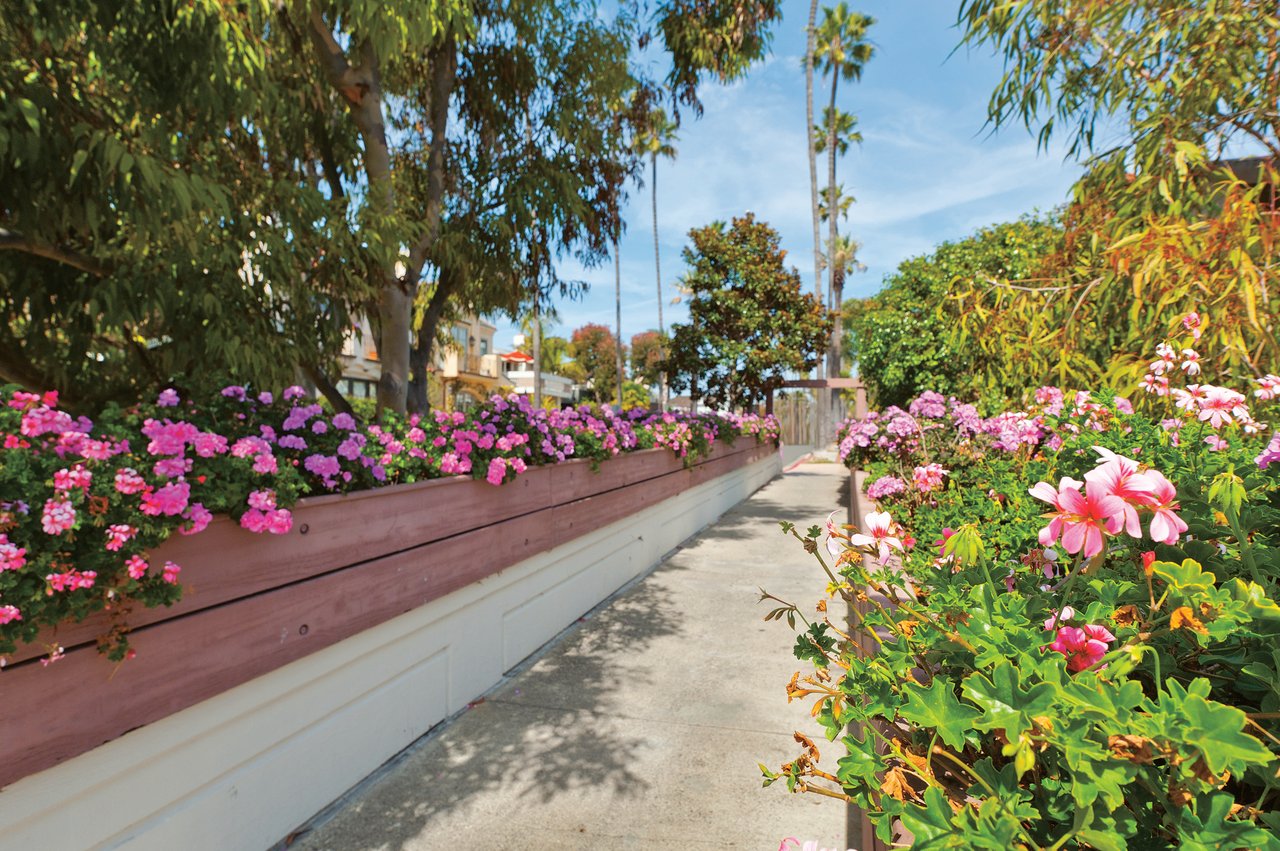
What did endure was the decision to replace the numbered streets with the now-iconic alphabetical Flower Streets. Starting with Acacia and continuing all the way to Poppy, each north–south street was given a floral name to create charm, cohesion, and a stand-out identity.
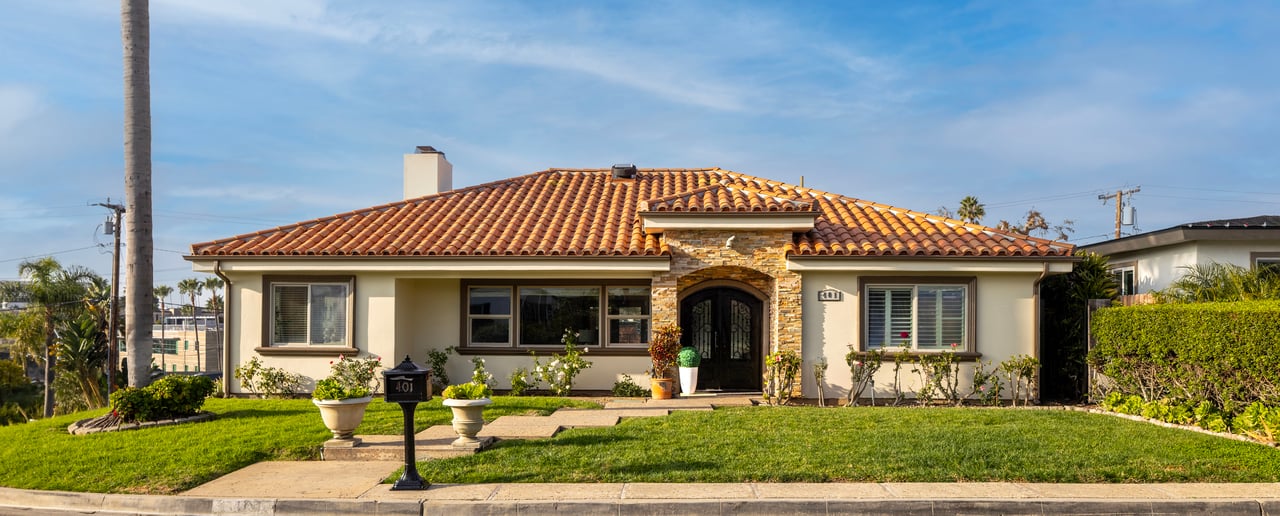
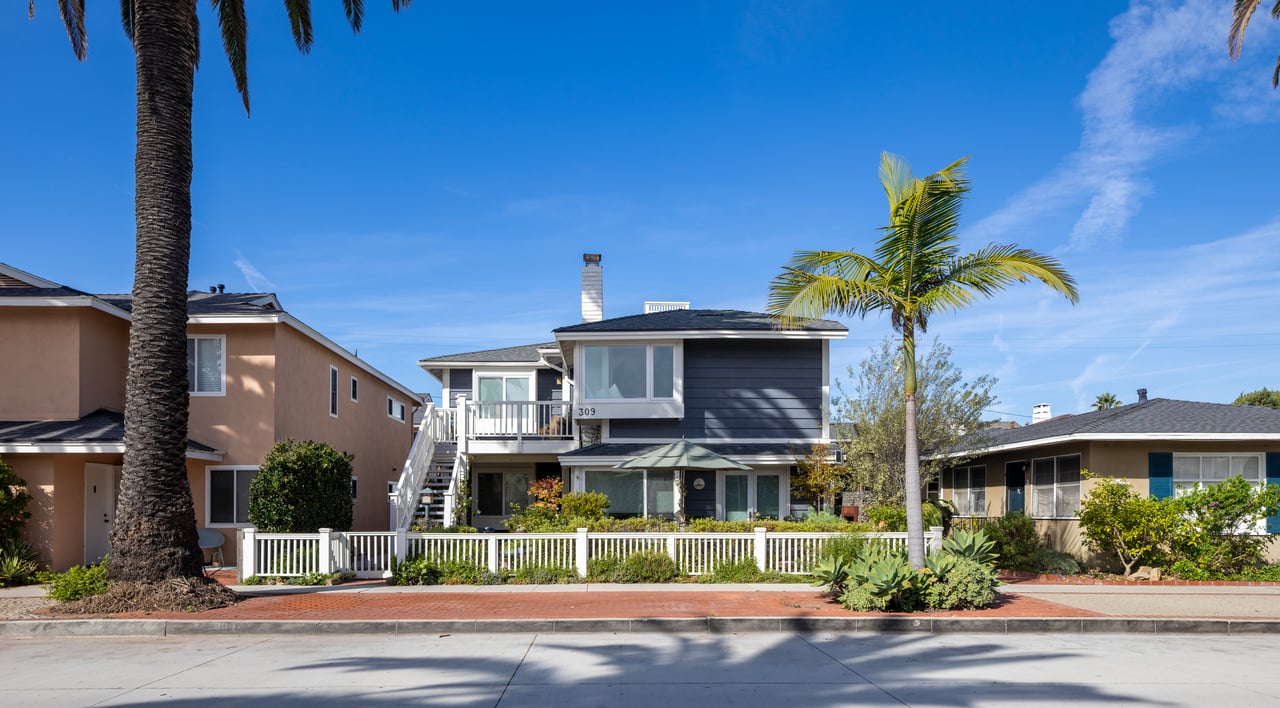
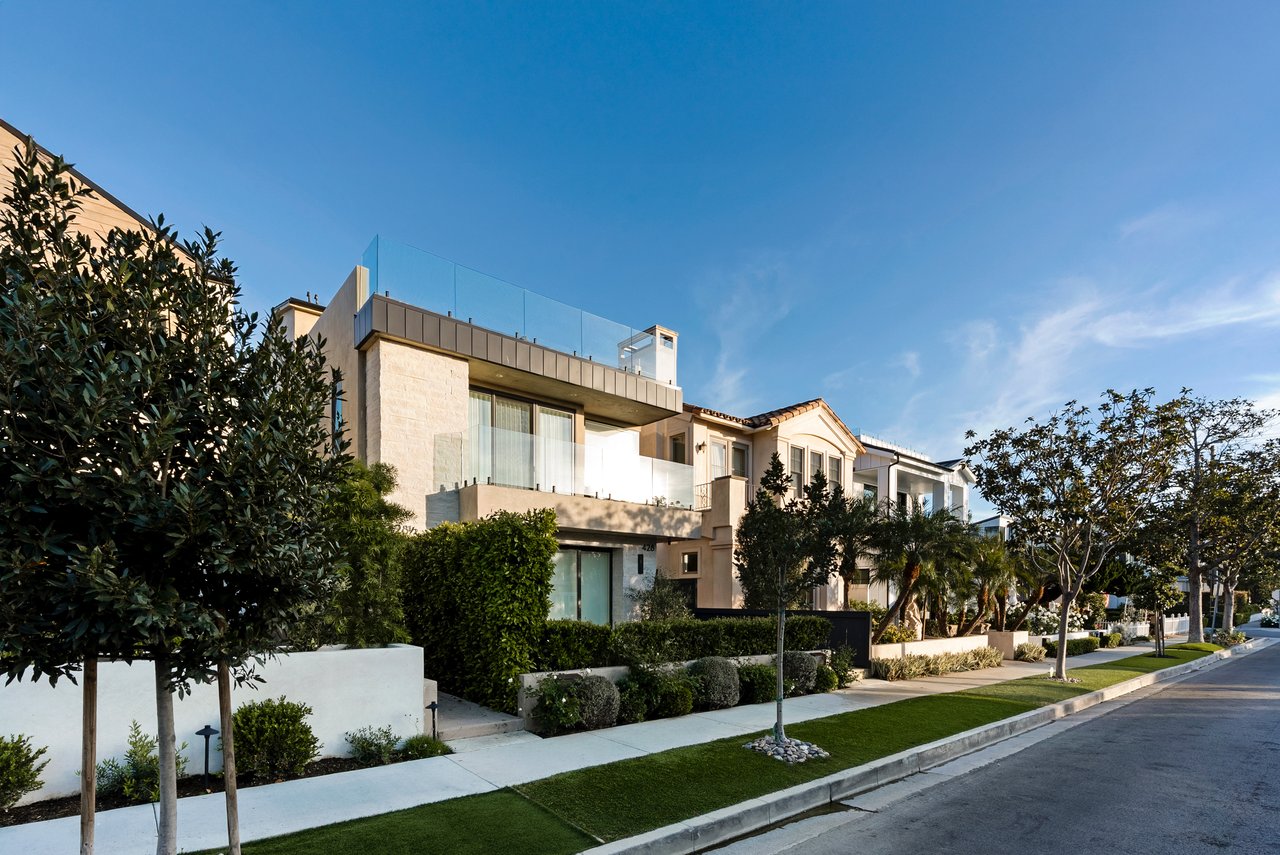
This move was more than aesthetic. It was an intentional effort to reposition Corona del Mar as a picturesque, welcoming seaside village. The Flower Streets remain one of the most defining features of CdM’s character. Homes here, ranging from early-century cottages to modern reinterpretations, still exude the neighborhood’s original village feel.
The Arrival of the Coast Road: Pacific Coast Highway
For years, Corona del Mar was difficult to reach. Access required either a boat at high tide or a long, dusty road skirting the back bay. That isolation kept development slow.
In 1926, the completion of the Pacific Coast Highway marked a significant turning point. Suddenly, Corona del Mar was connected to the rest of Orange County. The village became accessible, practical, and desirable. Businesses began to take root, visitor numbers increased, and the real estate market revived.
The PCH quickly became the central spine of CdM. Many of the Flower Streets feed directly into it, creating a walkable grid that remains central to the community’s vibrancy. For today’s homebuyers, proximity to PCH often translates to convenience, access to shops and dining, and strong long-term value.
Ocean Blvd, Bayside, and the Original Waterfront Vision
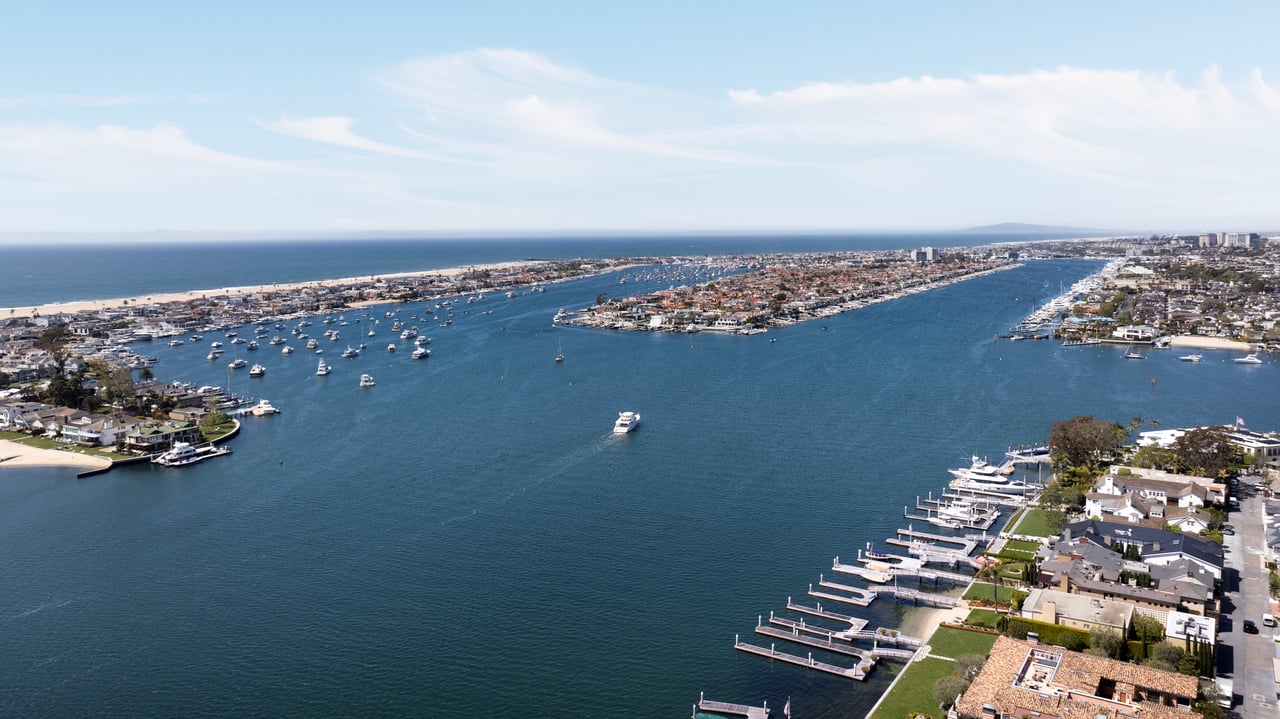
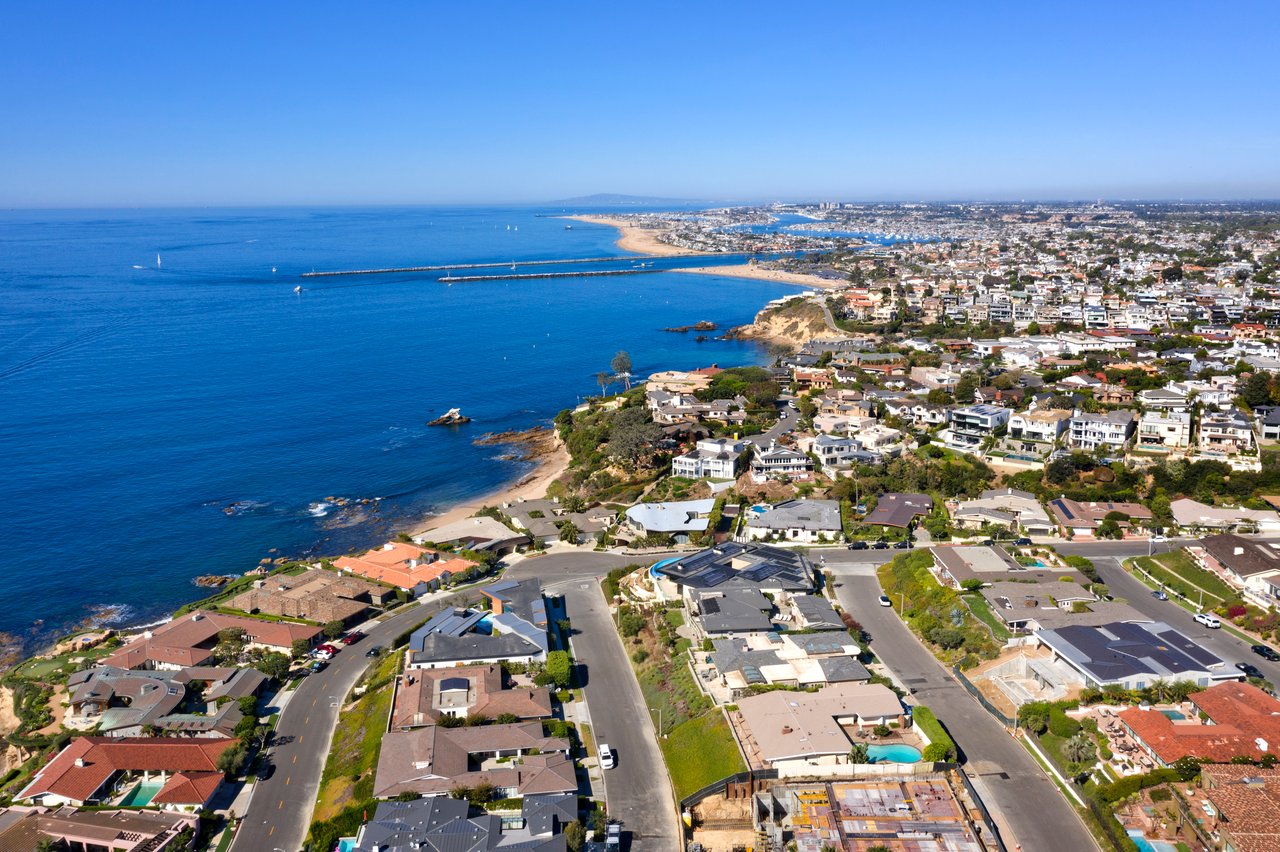
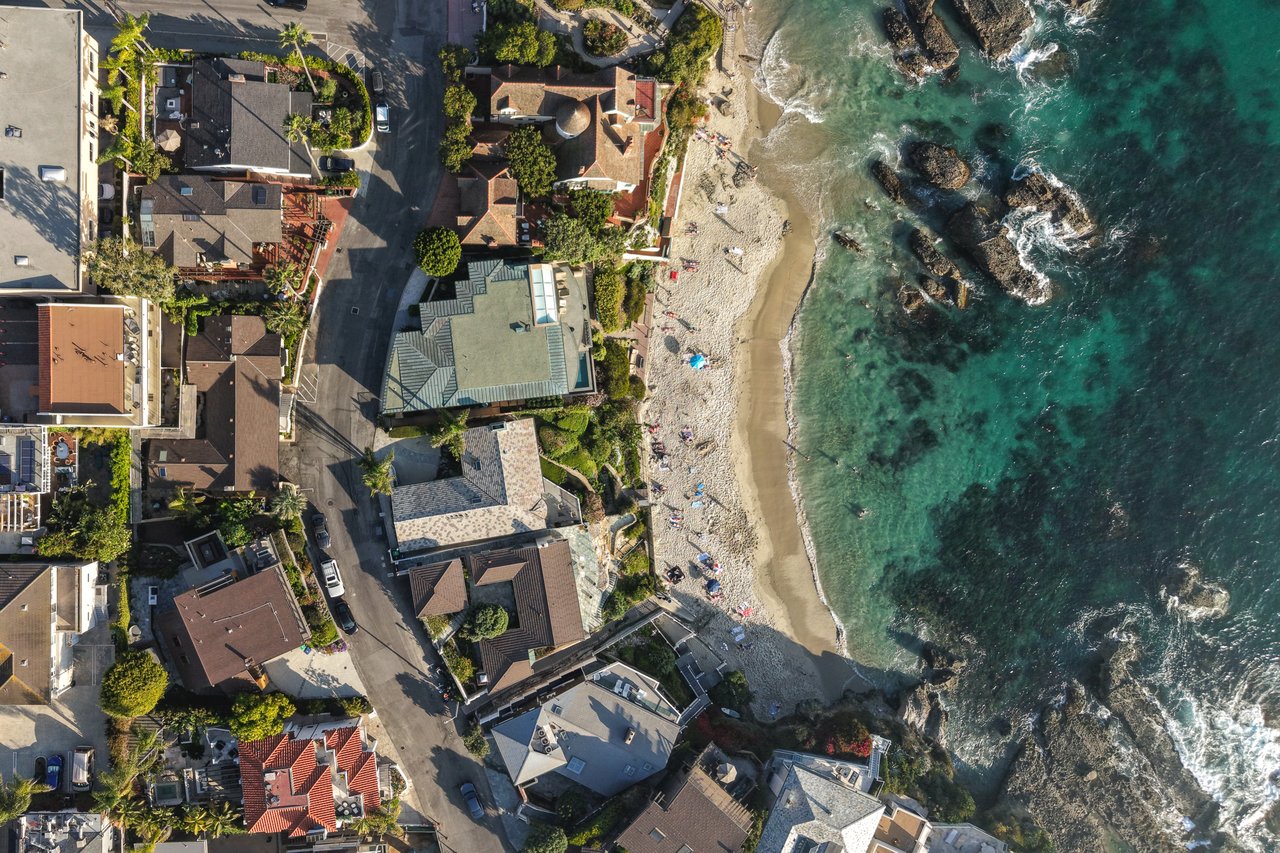
Among the early roads laid out by Hart, Ocean Blvd was intended to be the showpiece. Running along the coastal bluff, it was marketed as an elegant thoroughfare with sweeping ocean views and easy access to the water. The vision was to create a grand boulevard framing the coastline and enhancing the appeal of nearby lots.
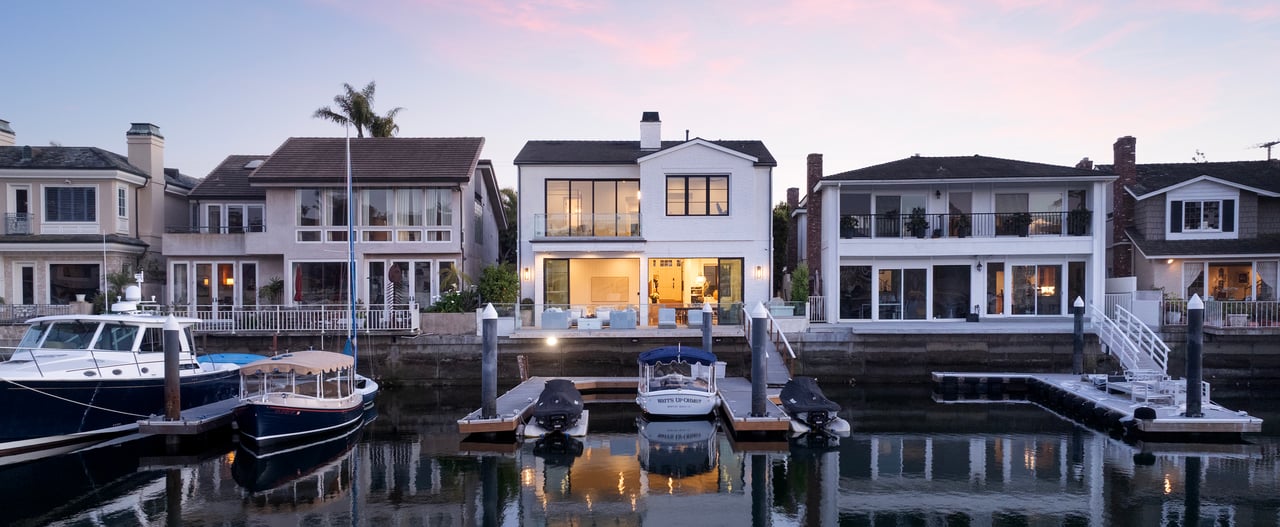
Bayside Avenue, originally known as Electric Way, played a practical role in connecting inland areas with the coast. Its early layout reflects the original planners’ belief that CdM would thrive as both a residential and maritime community.
Though storms thwarted the initial pier project, Ocean Blvd and Bayside set the framework for CdM’s coastal identity. Homes along these streets today remain some of the most sought-after in the village, offering unmatched proximity to both the beach and the bluffs.
Historic Markers: The Goldenrod Footbridge and Village Landmarks
As the village began to take shape, efforts to link inland streets to the coastline became important. In 1928, the Goldenrod Footbridge was constructed to provide pedestrian access over a ravine, connecting inland housing to the cliffs and shoreline.
This charming footbridge became a recognizable local landmark. It symbolized CdM’s early efforts to create a seamless, walkable village experience. Even today, it remains a favorite route for residents heading to Ocean Blvd, Inspiration Point, or the beaches below.
By the early 1930s, the village boasted recognizable storefronts, establishing a small yet distinct commercial core. The village atmosphere emerged slowly but steadily, setting the stage for the growth that would follow in the mid-century decades.
Mid-Century Expansion and the Hillside Neighborhoods
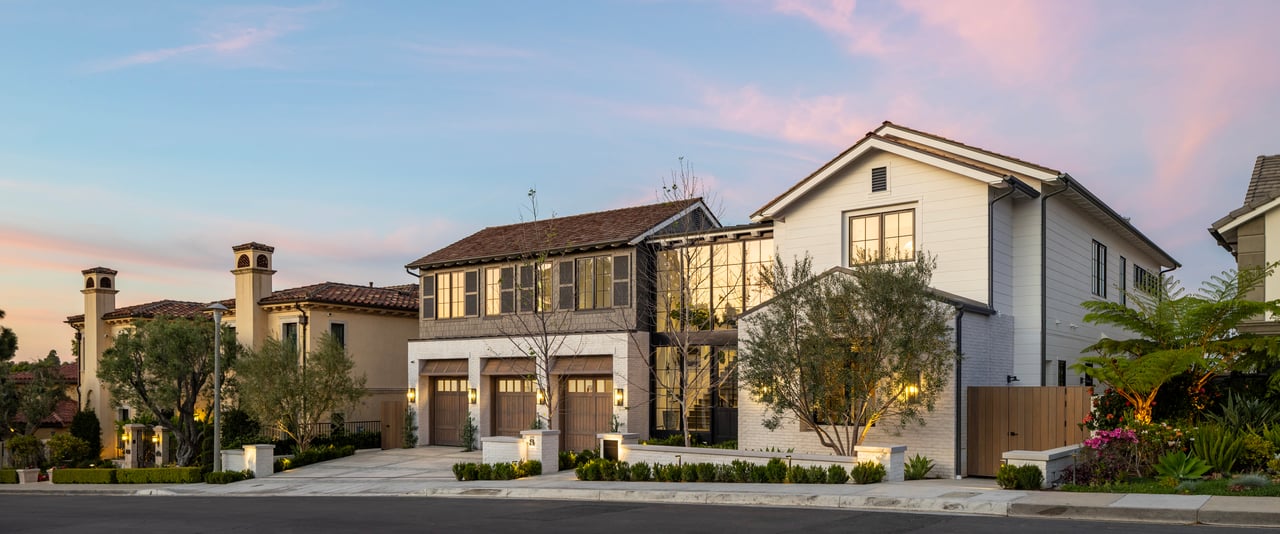
After World War II, demand for housing in Orange County surged. Corona del Mar saw a significant transformation during the 1950s and 1960s. The Flower Streets filled in with charming cottages and modest beach homes, many of which still define the neighborhood’s character.
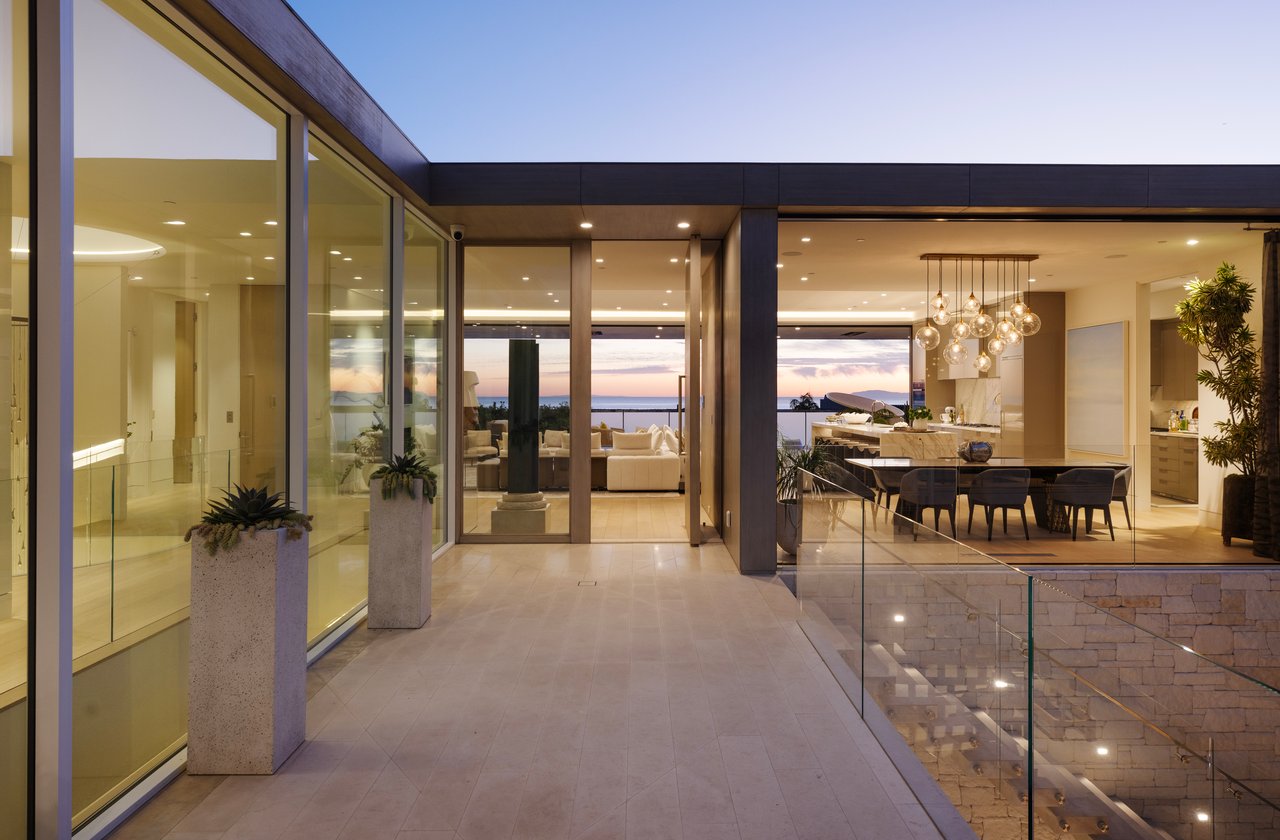
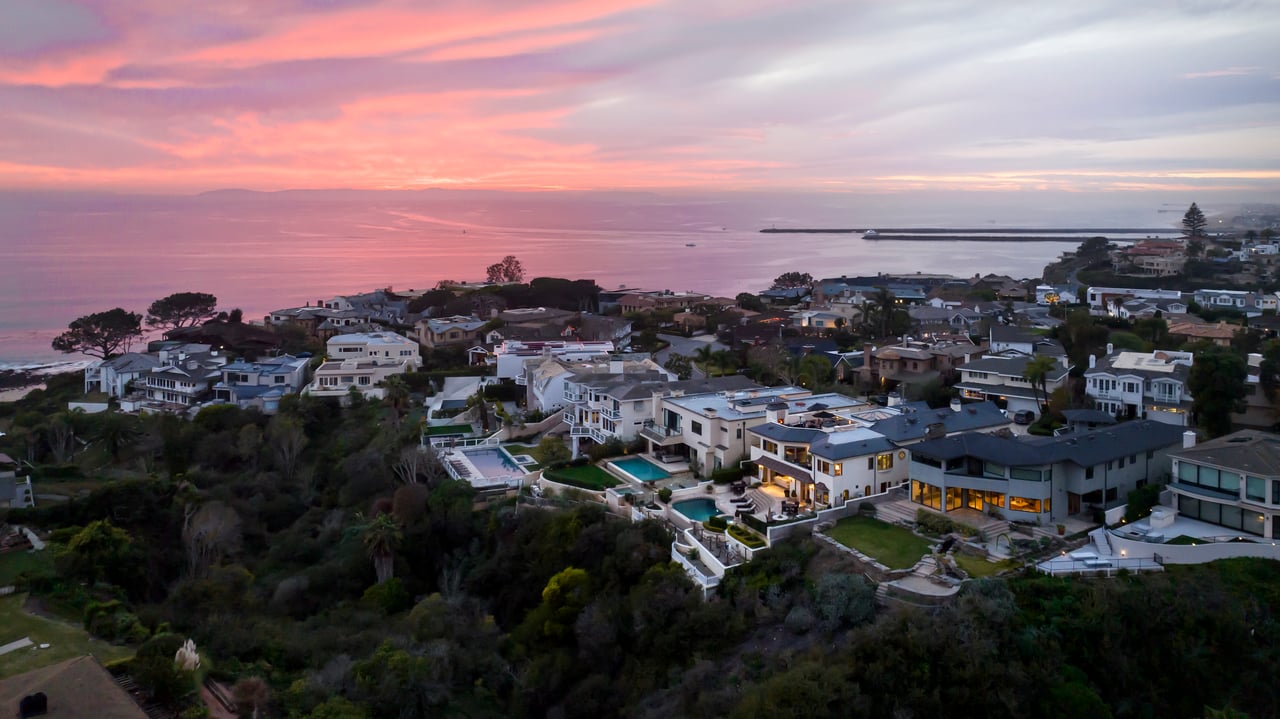
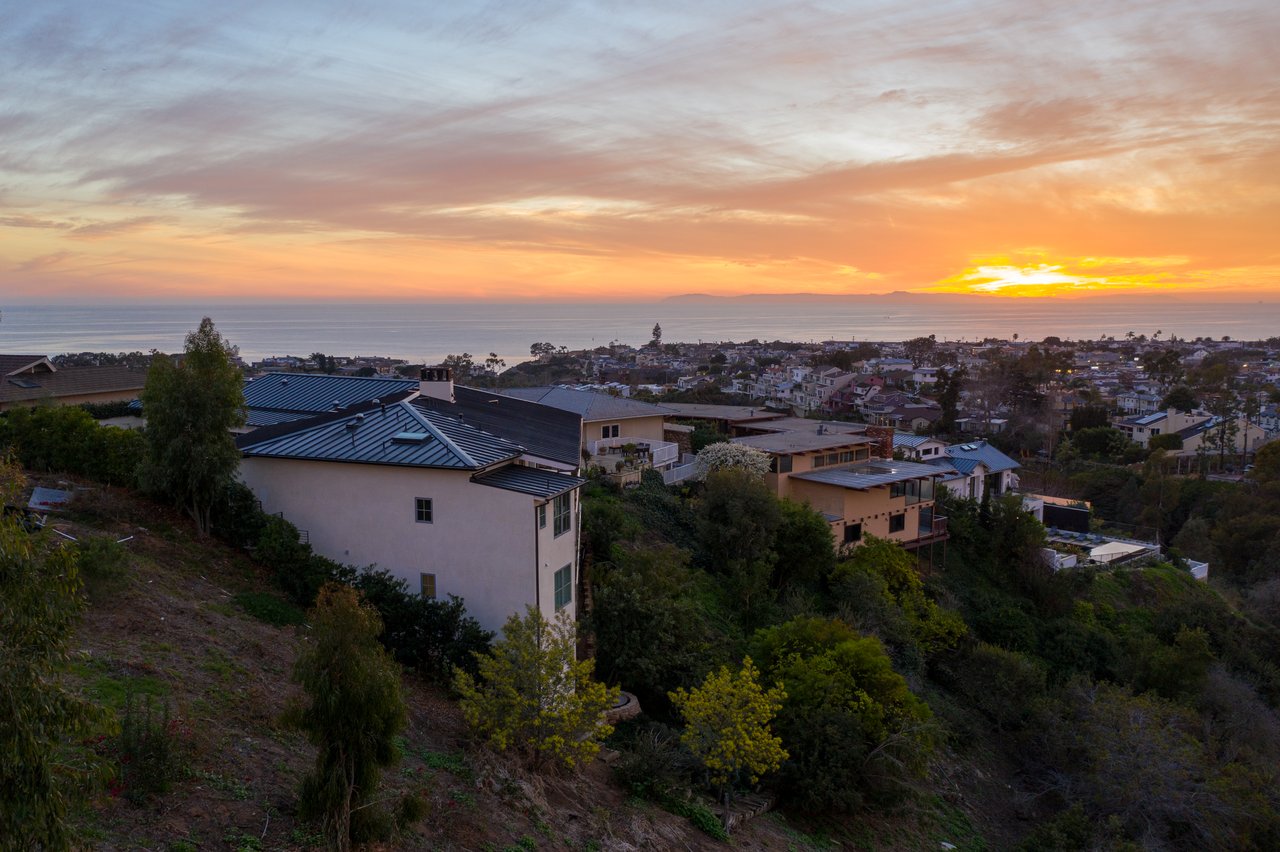
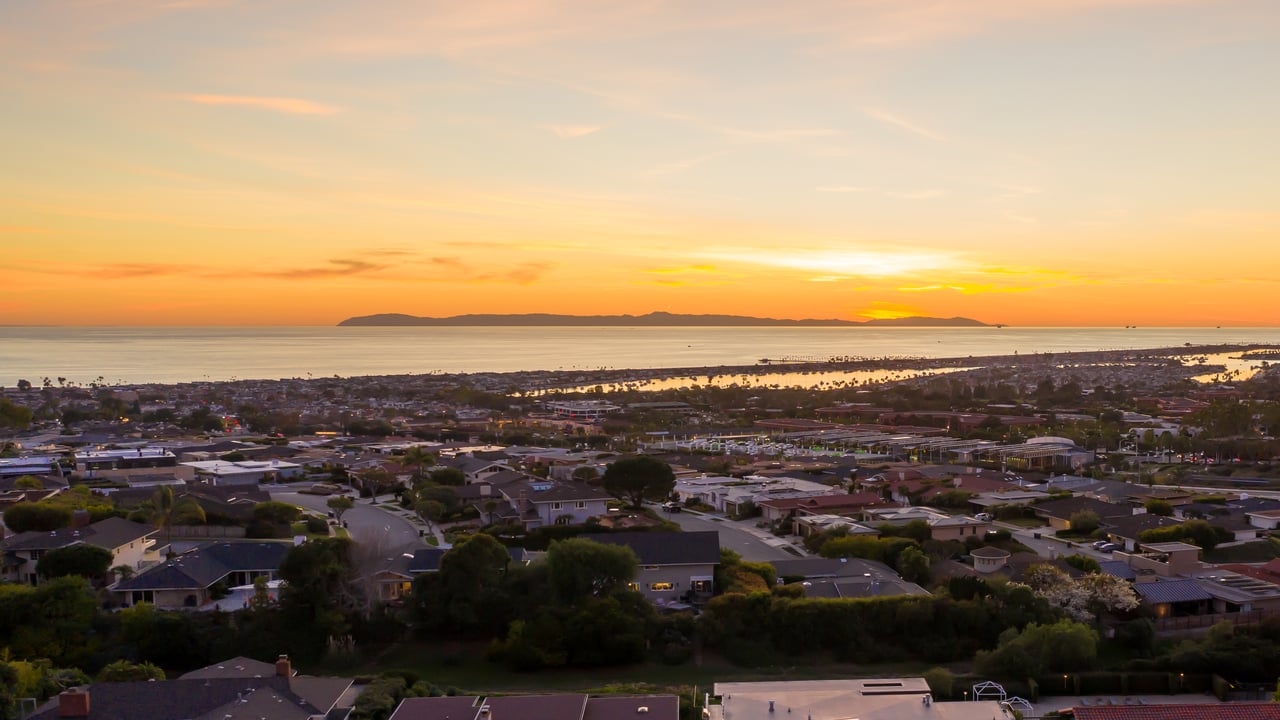
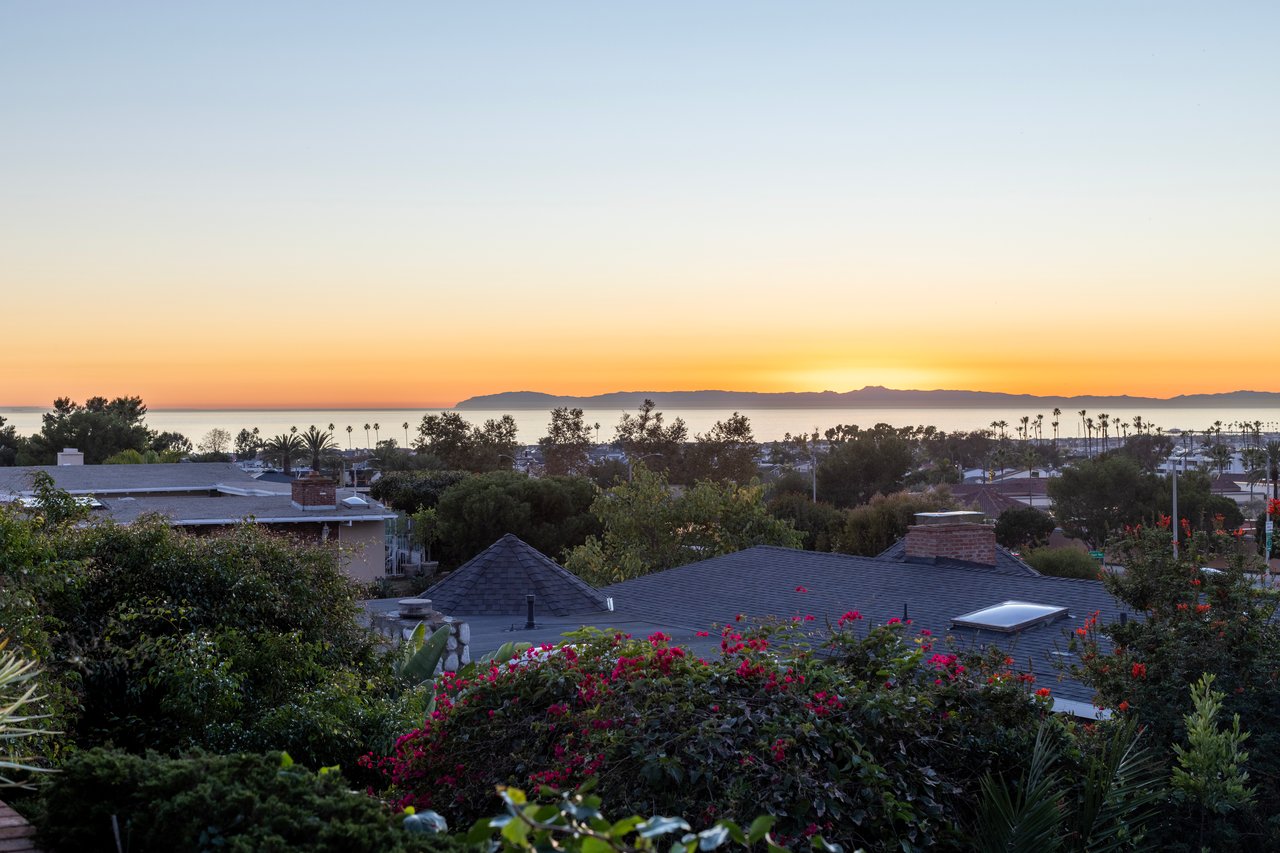
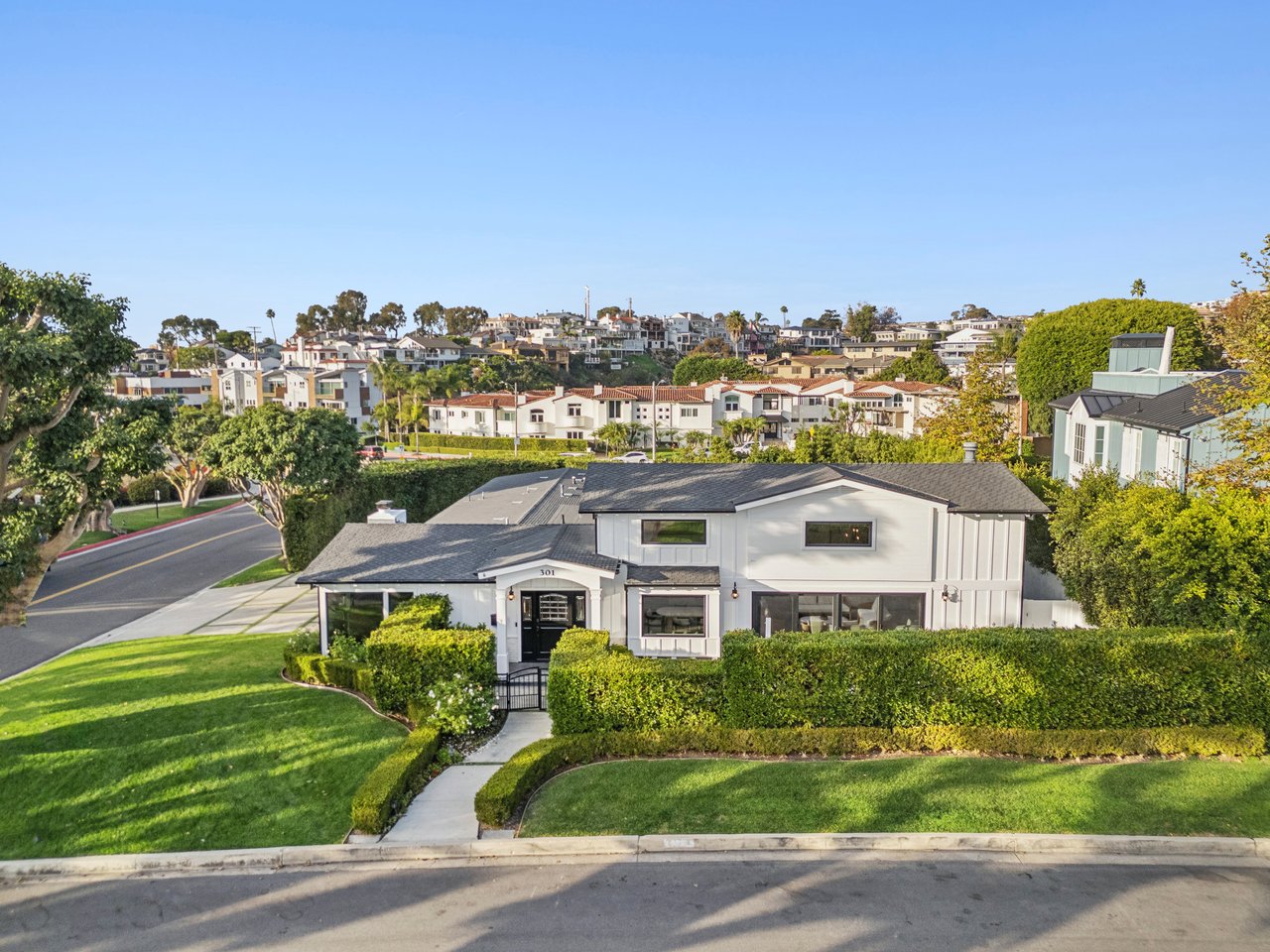
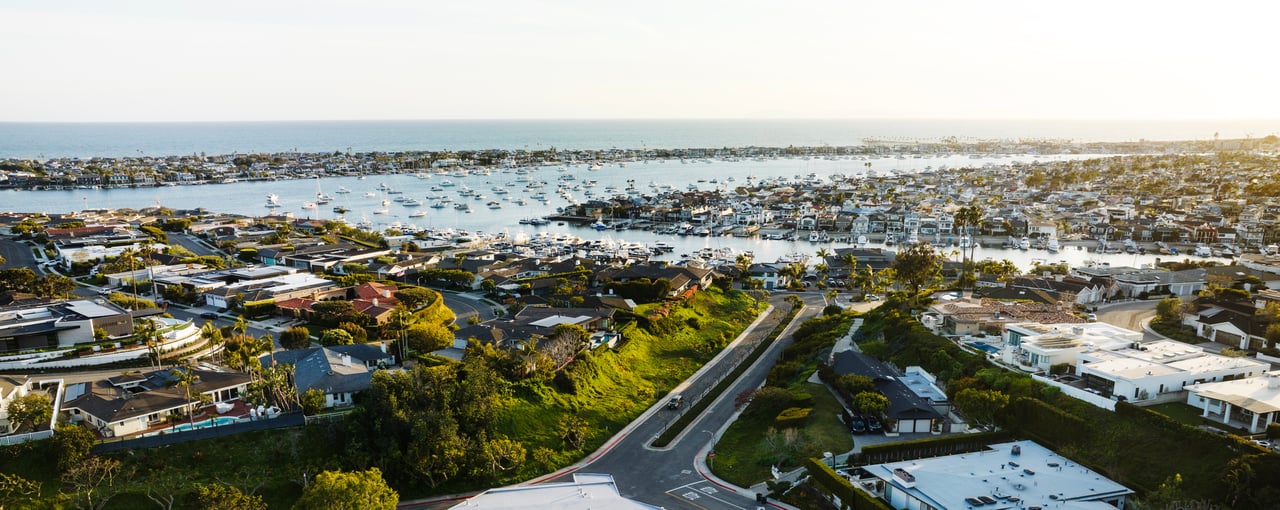
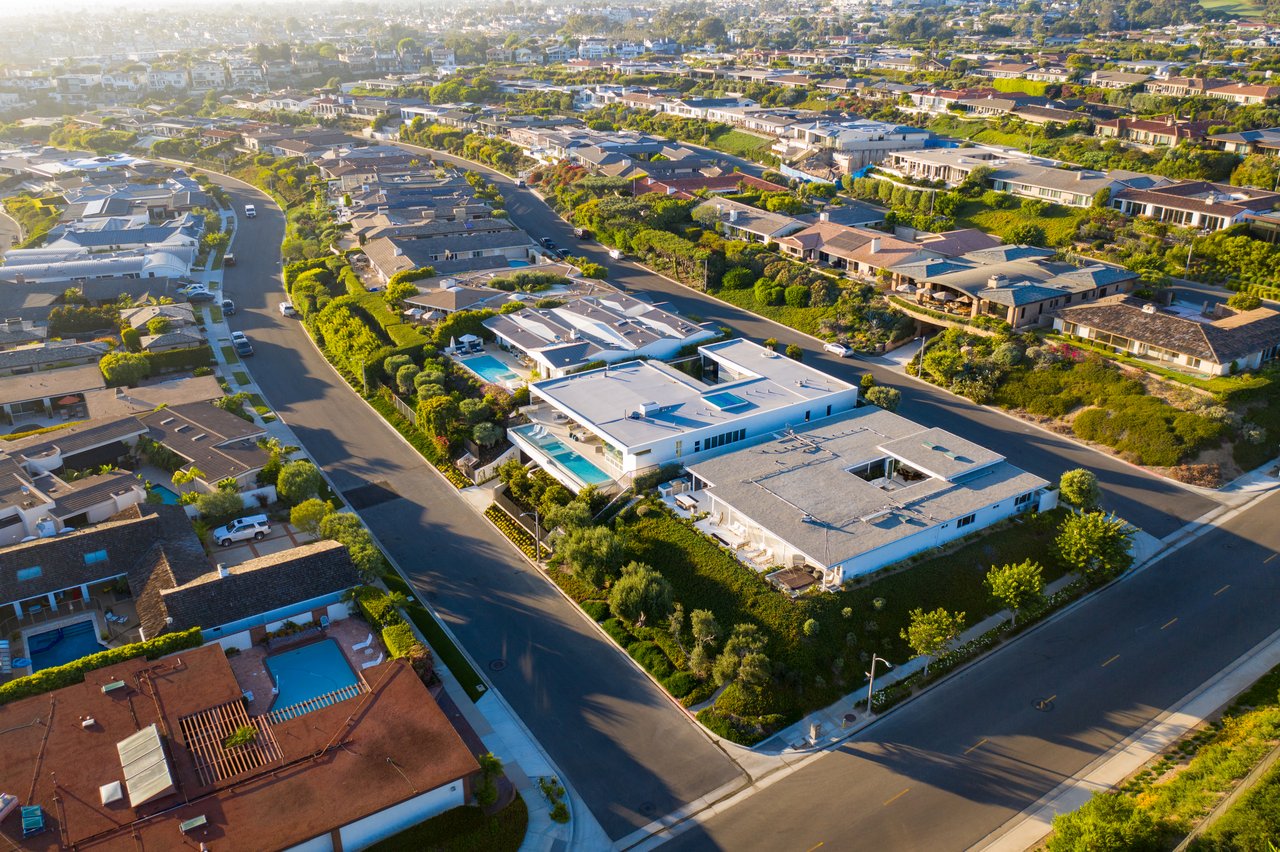
At the same time, new hillside neighborhoods were developed to the east, offering larger lots and elevated ocean or harbor views. These areas balanced CdM’s coastal charm with modern floor plans and larger homes, appealing to a growing population seeking both lifestyle and luxury.
This period marked Corona del Mar’s evolution from a seasonal beach community into a fully realized residential enclave.
What the Street History Means for Today’s Homebuyers
Beyond nostalgia, the evolution of CdM’s streets offers practical insight for prospective homeowners.
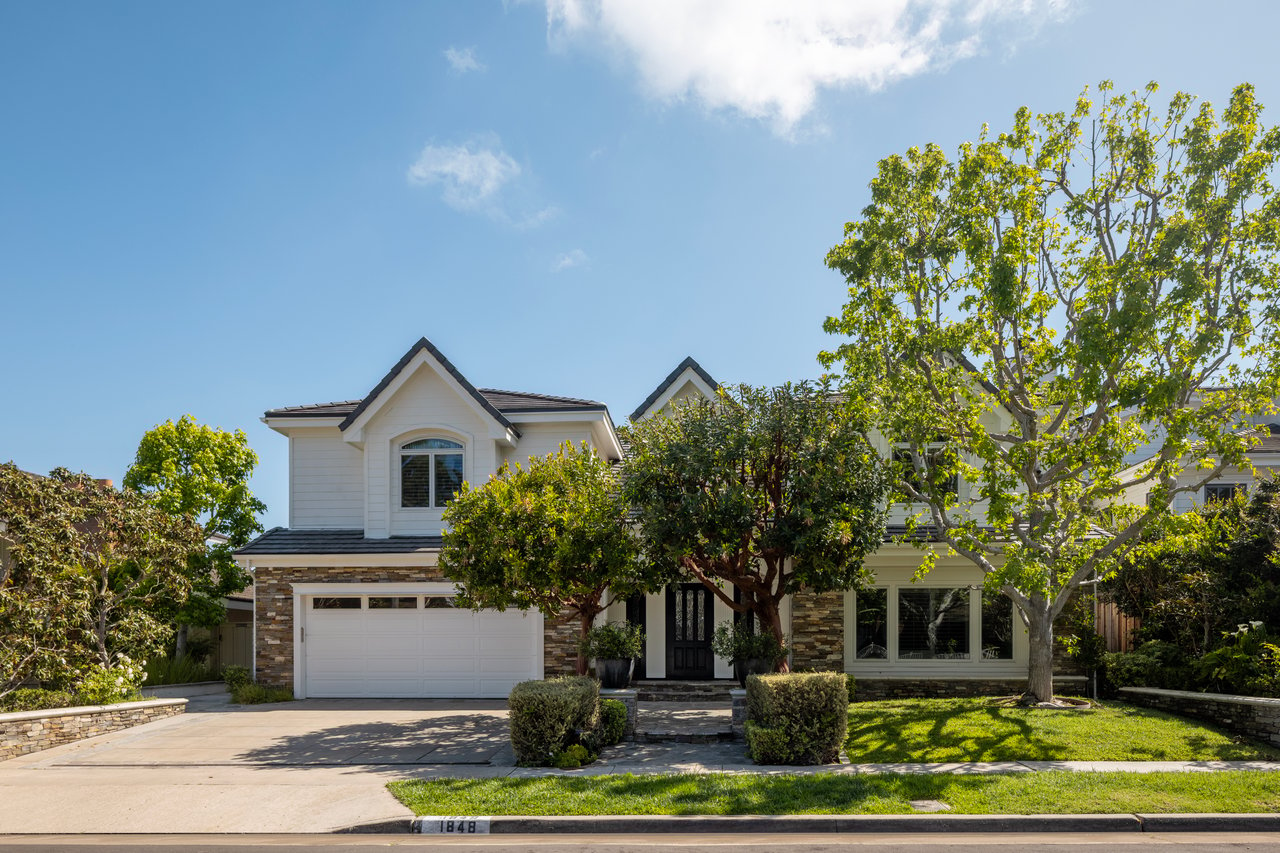
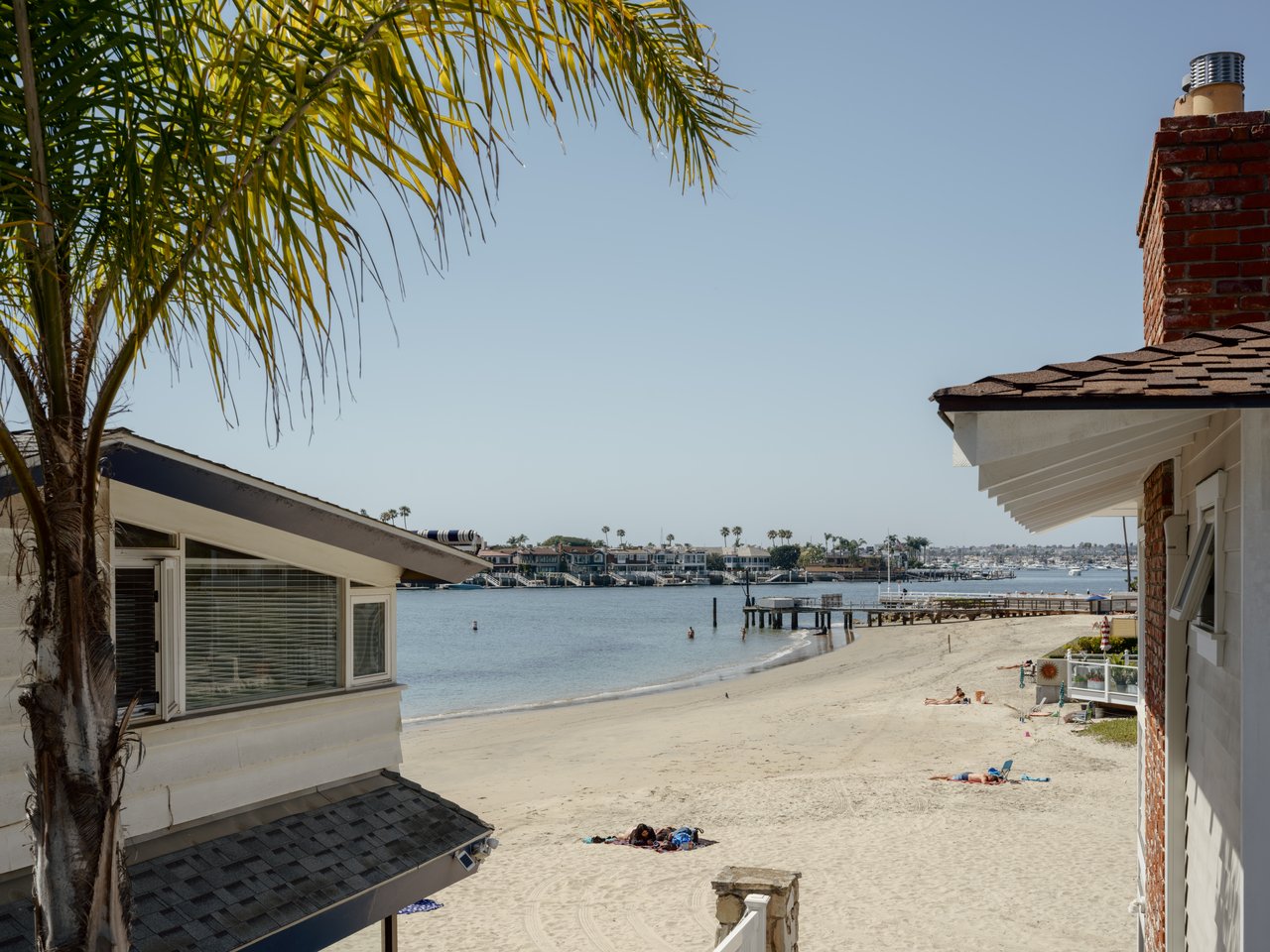
Homes along the Flower Streets remain highly desirable for their walkability, coastal charm, and connection to the village. They often appeal to buyers drawn to community, history, and beach proximity.
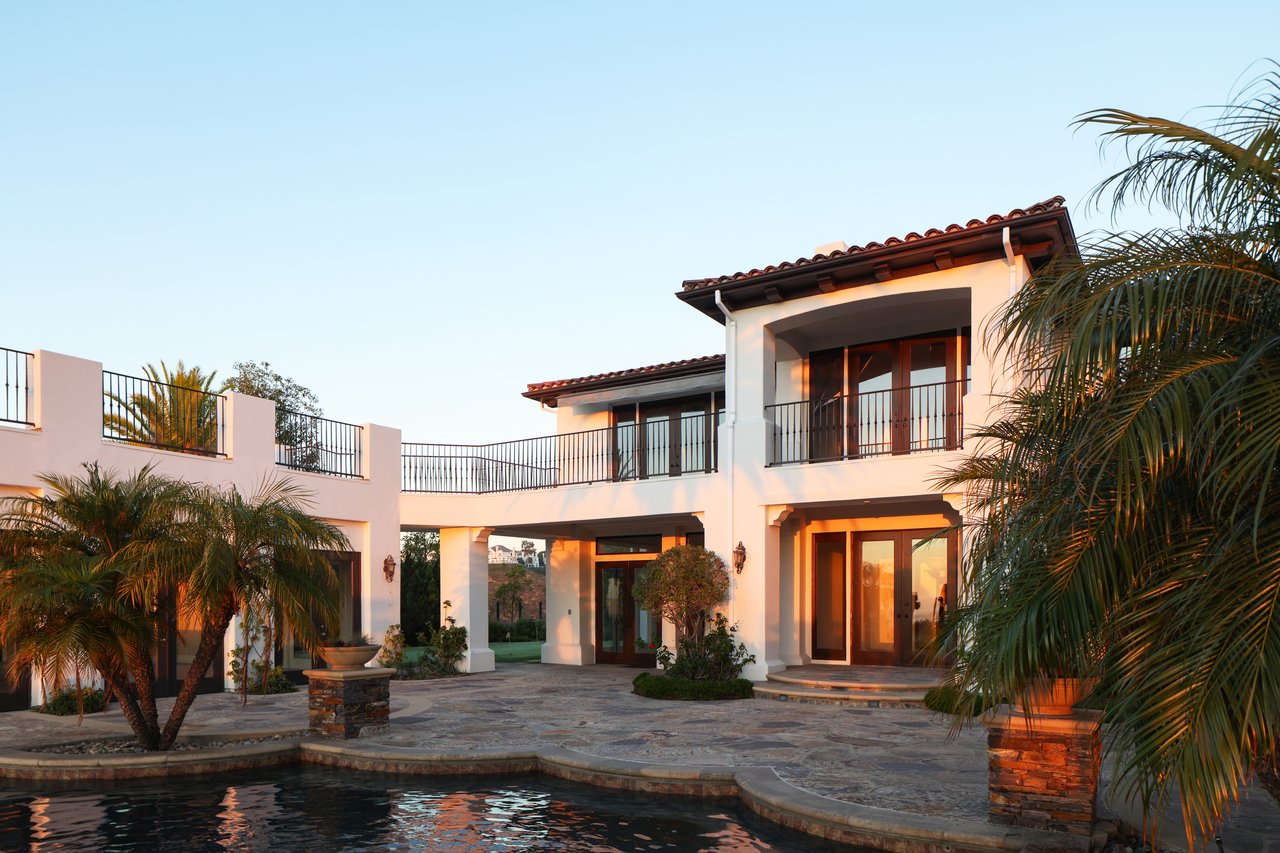
Ocean Blvd and homes near the bluffs offer some of the area’s most exclusive coastal living. These properties often come with expansive views and immediate beach access, paired with the responsibilities of coastal maintenance.
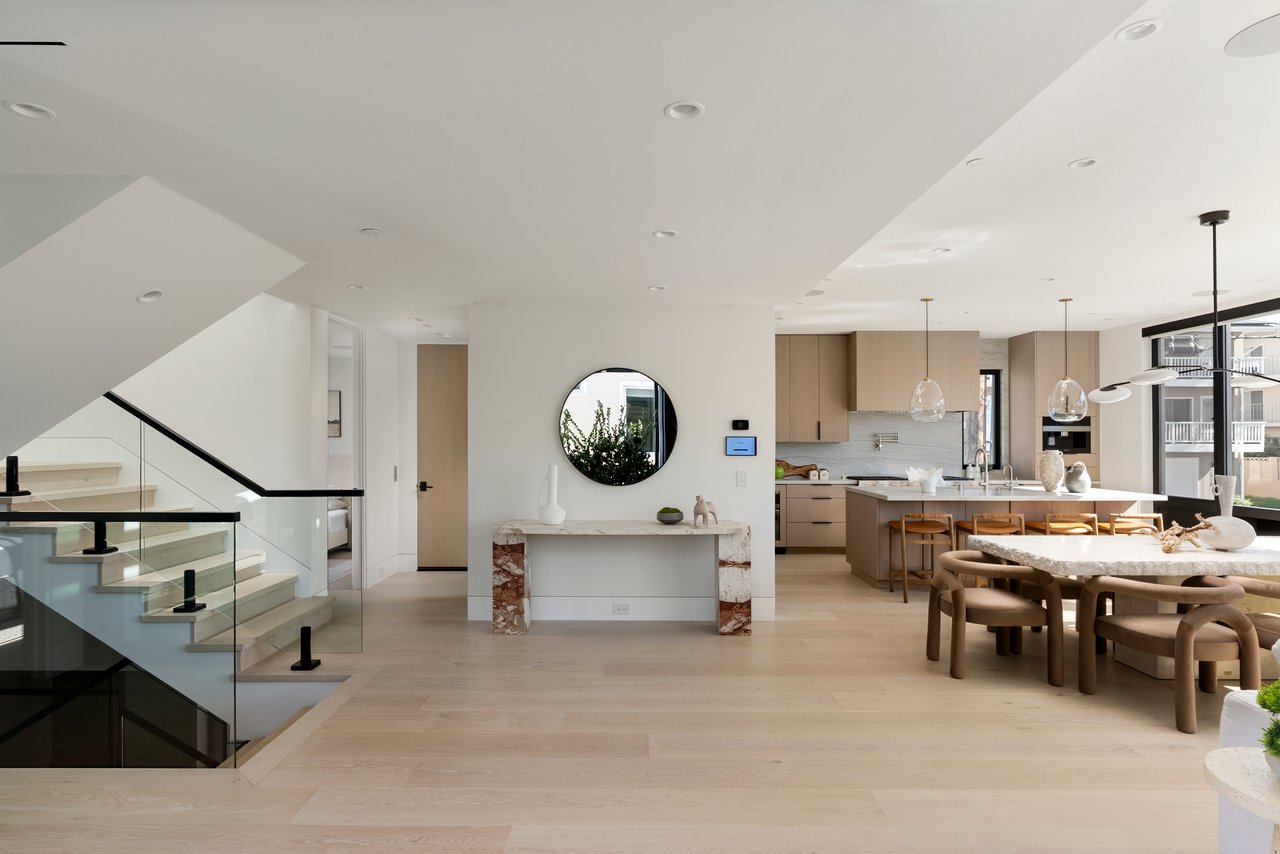
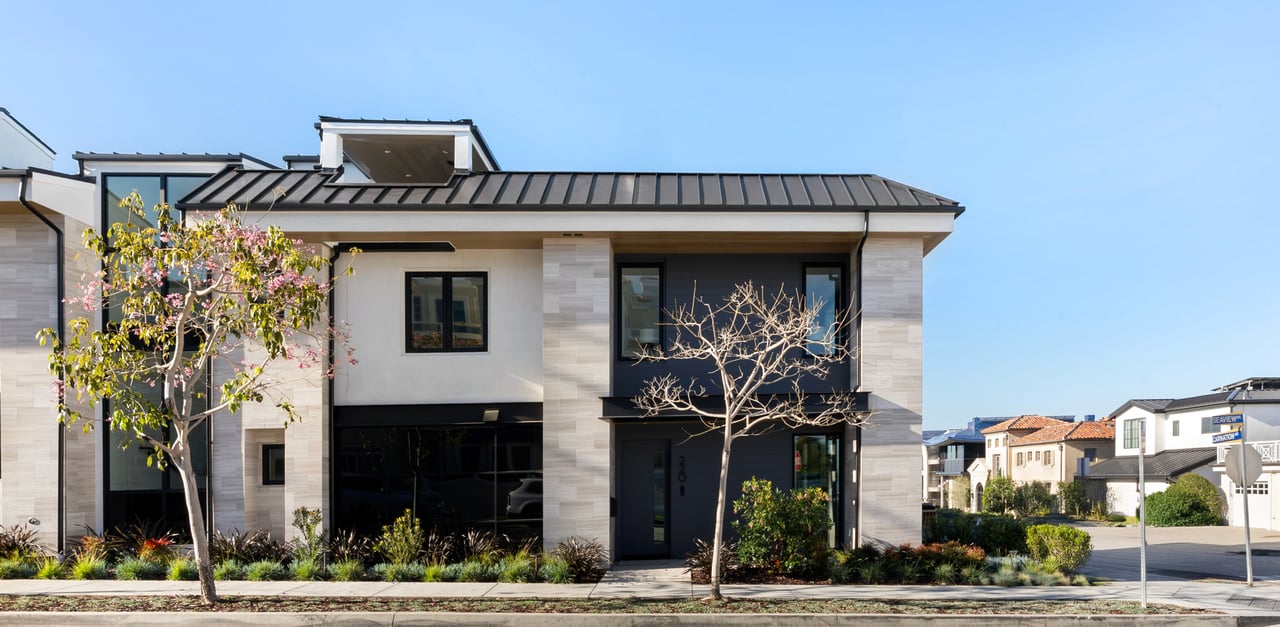
Hillside streets offer more space, newer construction, and panoramic views. These homes typically attract buyers looking for more square footage and long-term comfort.
Understanding the history behind each part of CdM helps buyers choose where they’ll feel most at home and which neighborhood best matches their lifestyle.
Why Local Expertise Matters: A Note from VALIA Properties
Knowing the story behind Corona del Mar’s most iconic streets helps you see the neighborhood not just as it is now but as it was designed to be. At VALIA Properties, we use this context to help clients navigate the nuances of each street and neighborhood.
Whether you’re drawn to the charm of the Flower Streets, the prestige of Ocean Blvd, or the spacious hillside homes, we guide you through each area’s past and present to help you make an informed decision.
Finding Your Place in CdM’s Past and Future
Corona del Mar’s streets tell the story of a community that evolved from vast ranchland to a carefully cultivated coastal village. The transformation of its roads reflects decades of ambition and vision. Today, when you walk the Flower Streets or stand atop the bluffs at Ocean Blvd, you’re experiencing the culmination of over a century of planning and community building.
If you’re ready to explore homes in Corona del Mar, VALIA Properties would love to help you discover the street, the neighborhood, and the home that aligns with your own story.
Whether you’re drawn to historic charm or modern elegance, we’re here to guide you thoughtfully every step of the way.