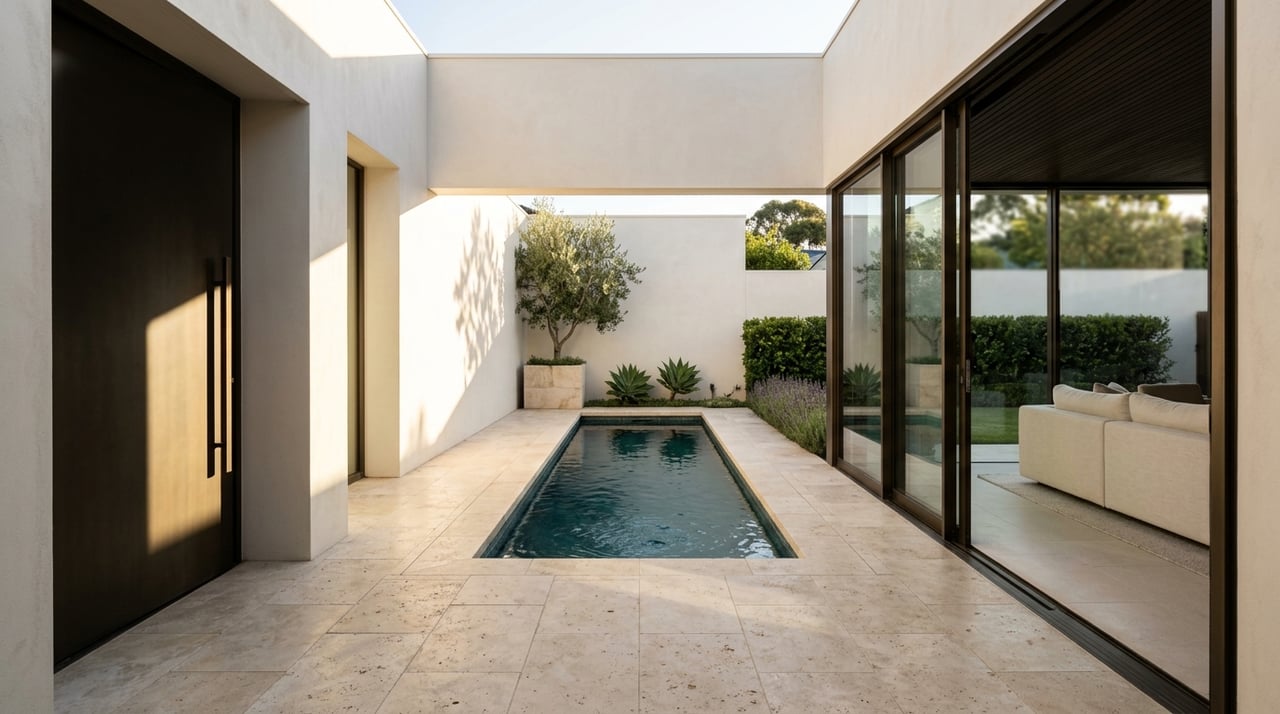
If you have ever wondered why some Corona del Mar homes seem to trade hands without ever showing up online, you are not imagining it. In a market where privacy, presentation, and timing often carry real weight, off-market deals are part of how some buyers and sellers choose to move. This guide will show you what “off-market” really means in Corona del Mar, how CRMLS handles quiet inventory, and what you should consider before choosing a private path. Let’s dive in.
What off-market means in Corona del Mar
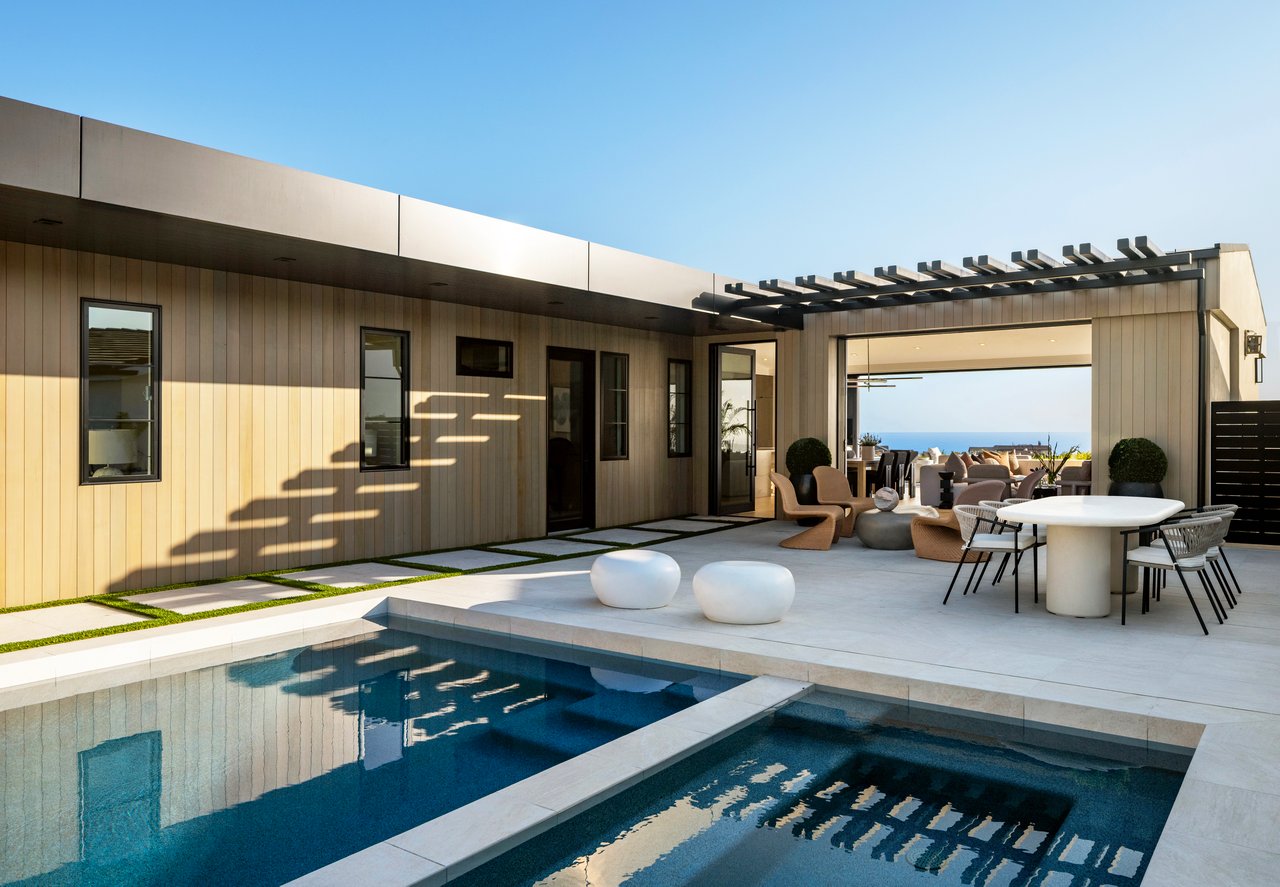
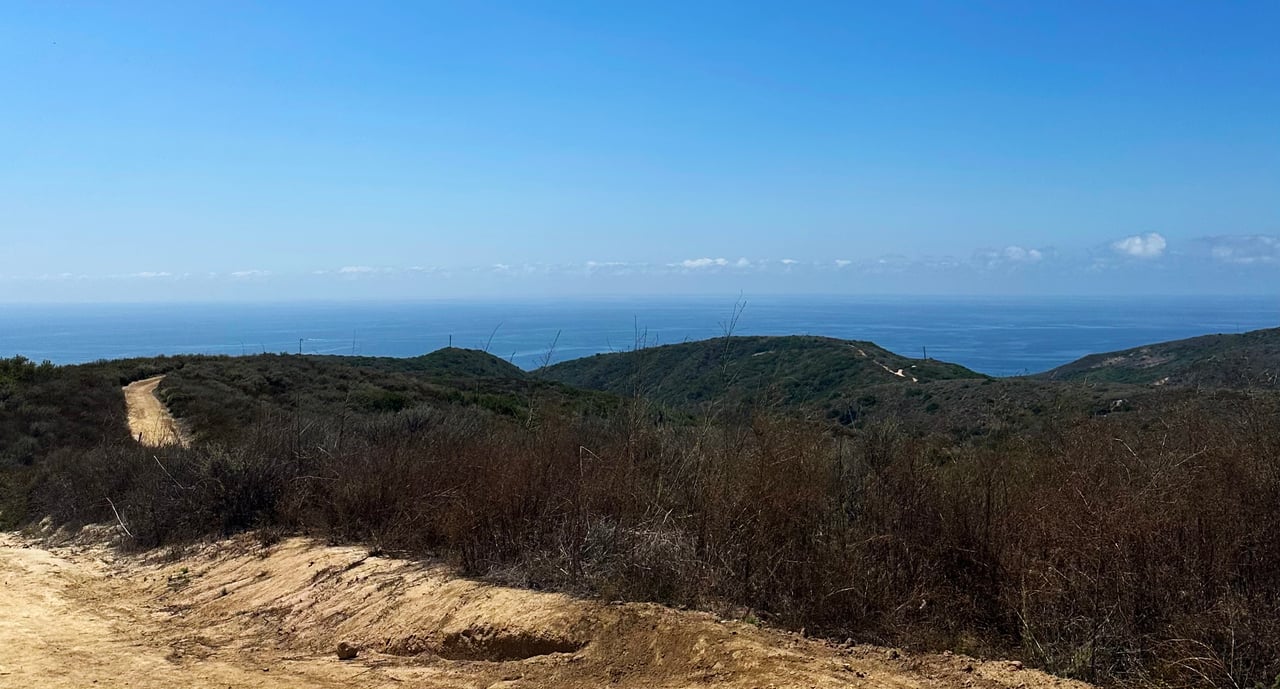
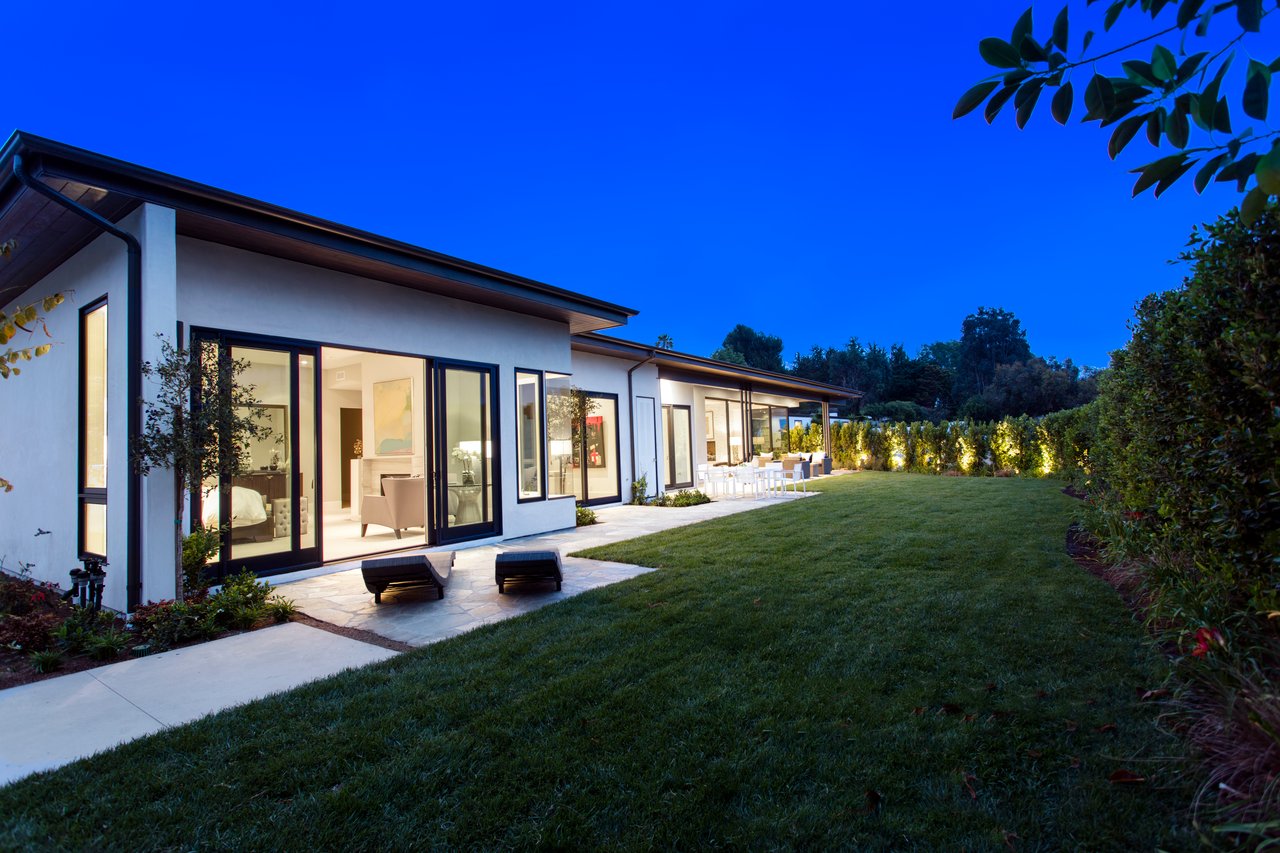
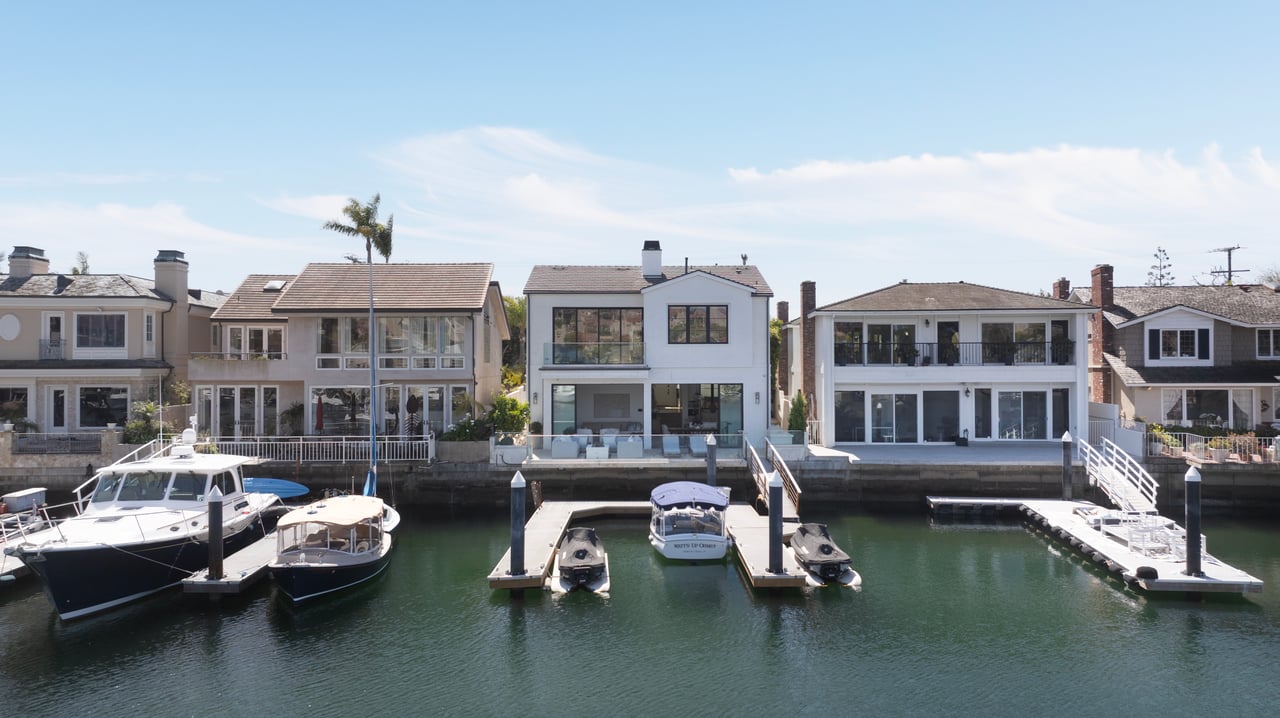
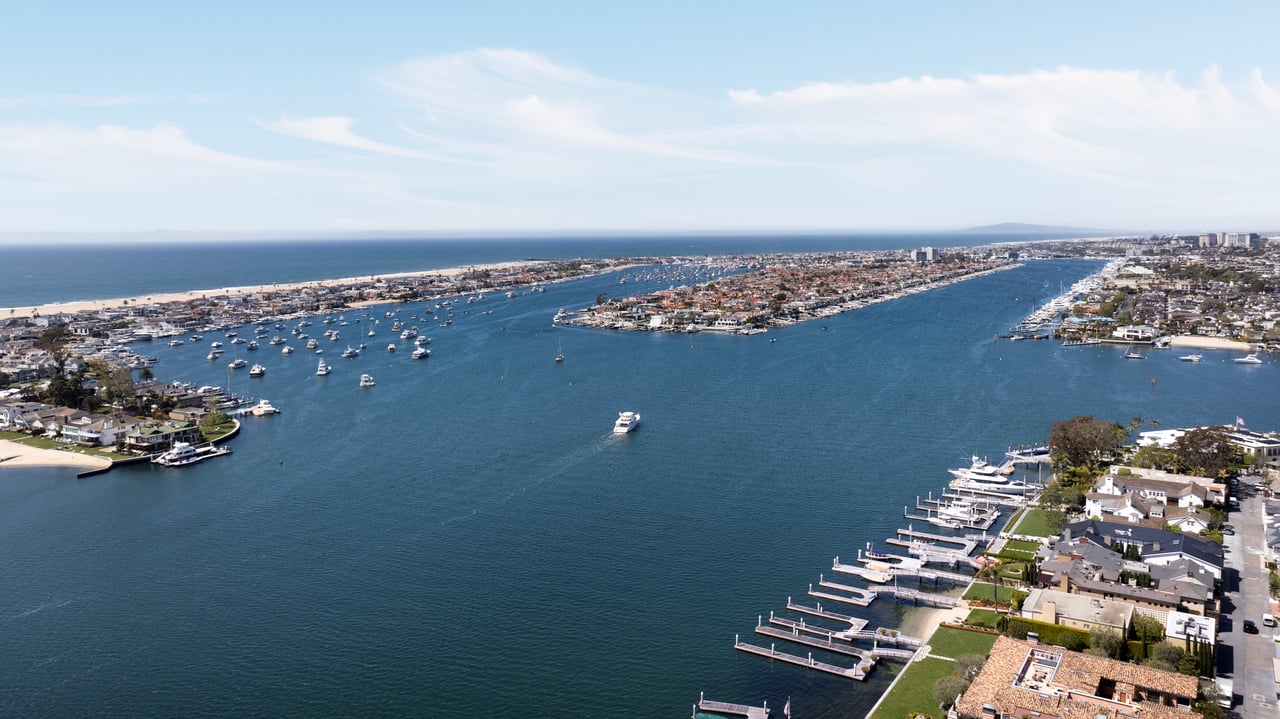
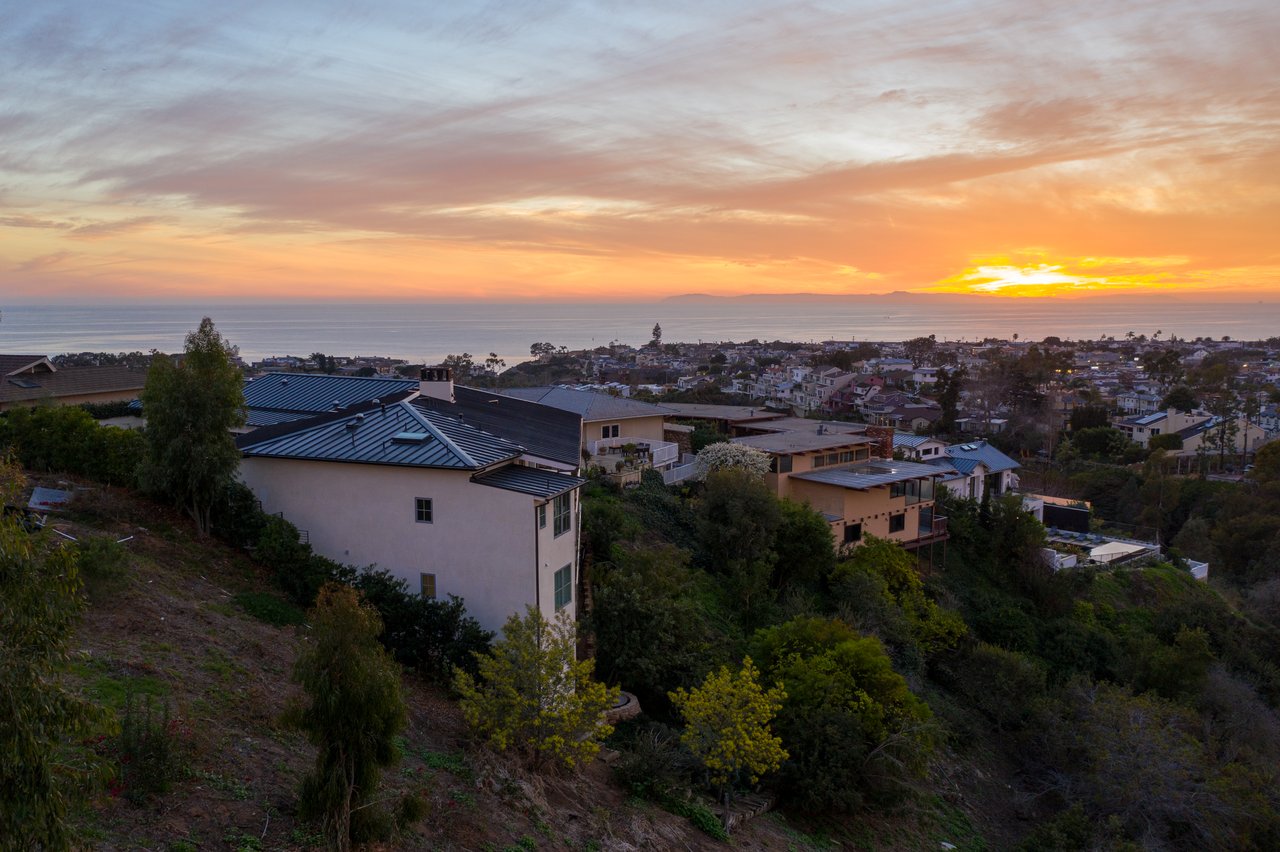
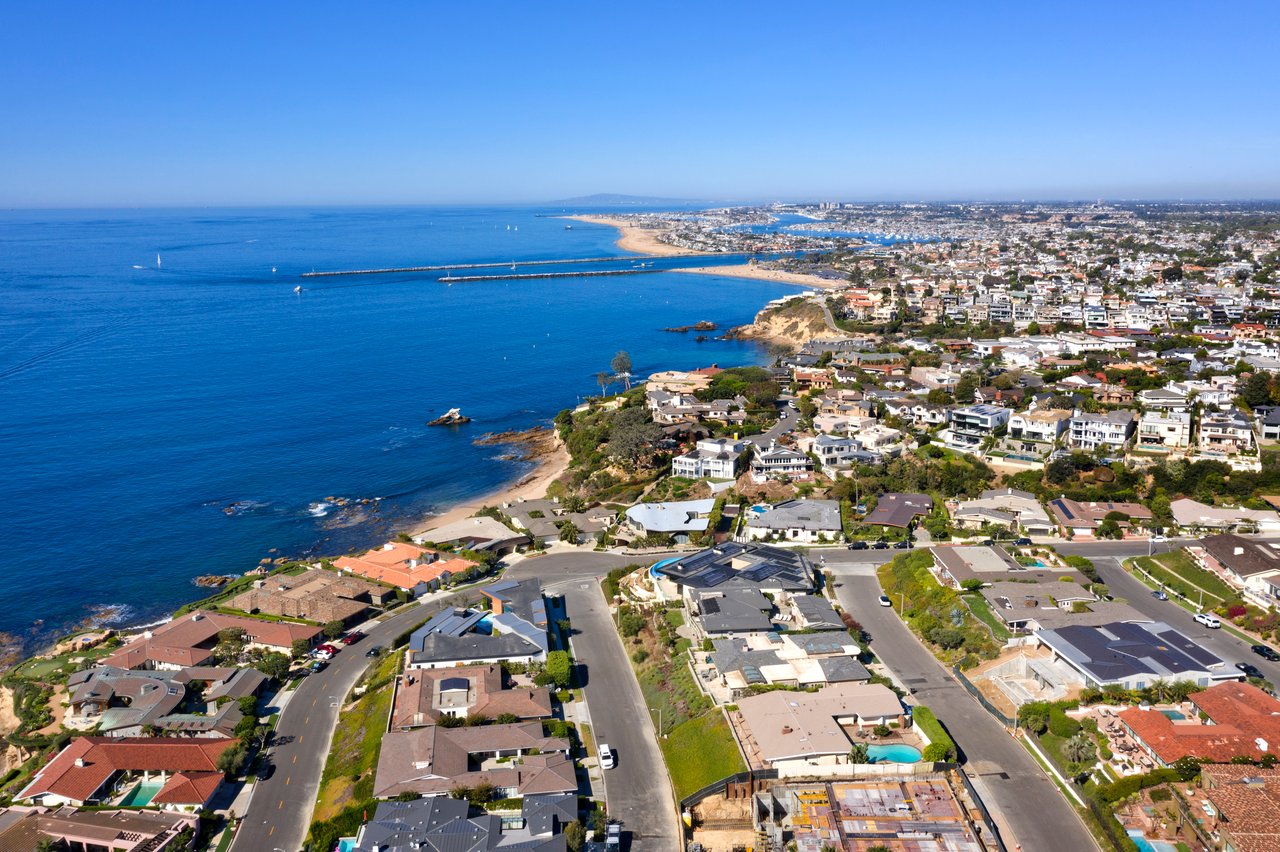
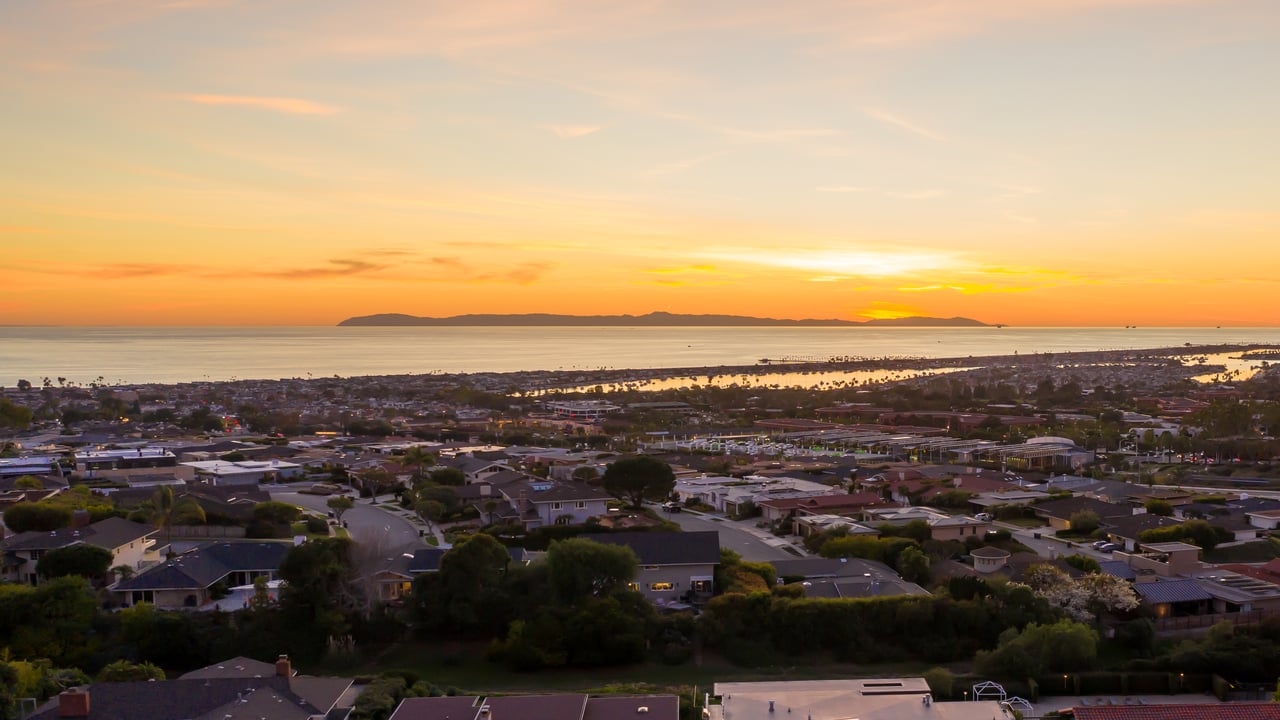
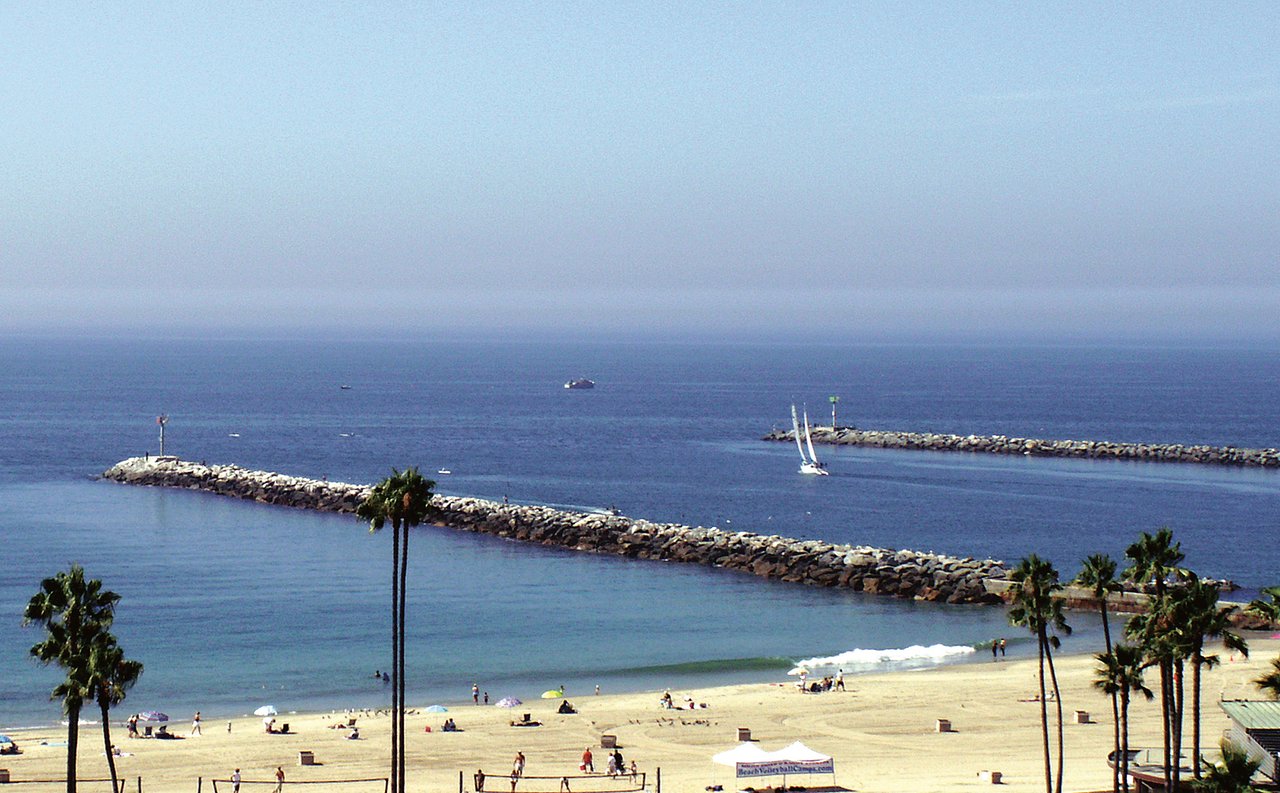
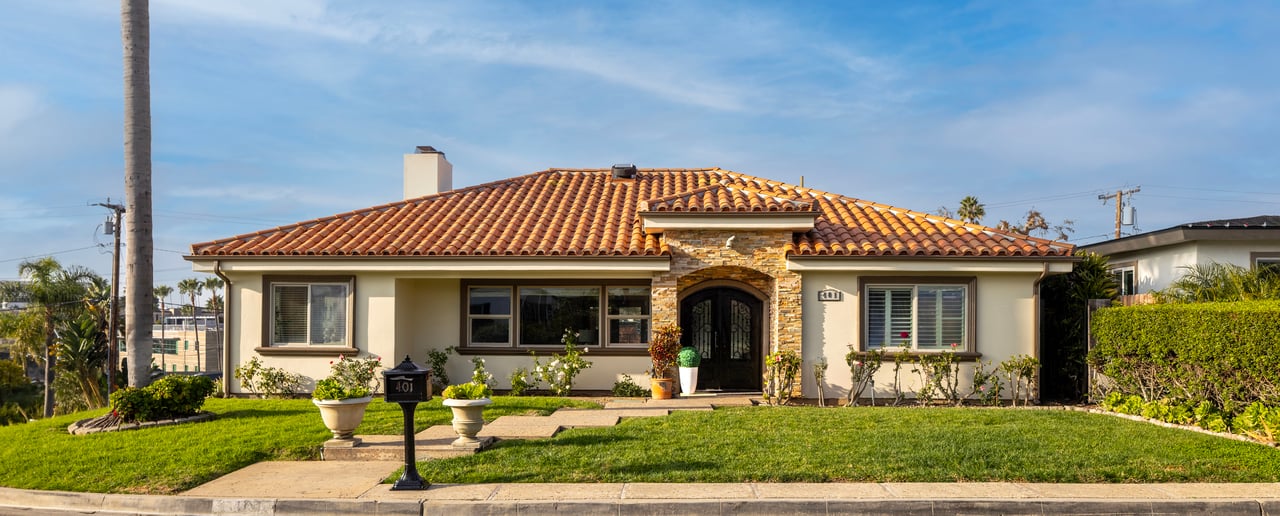
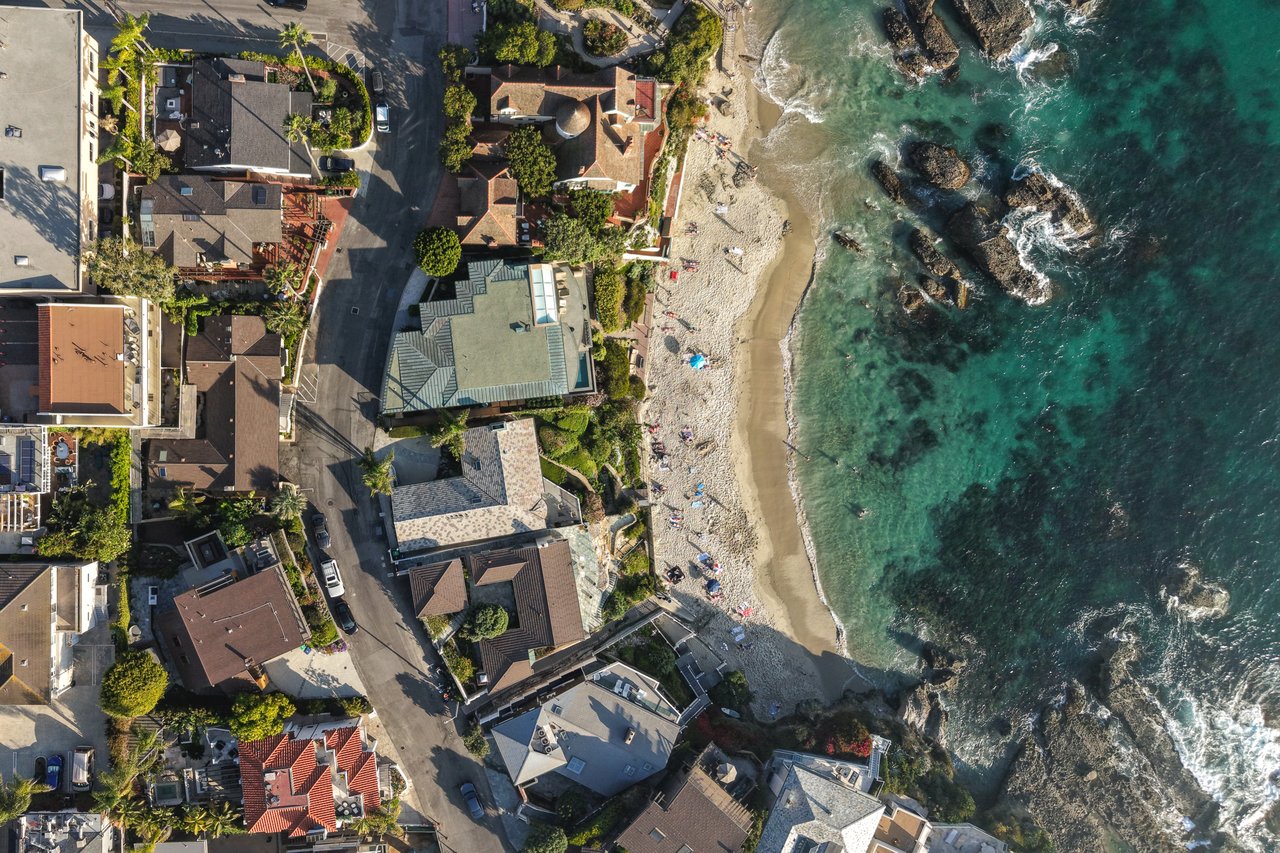
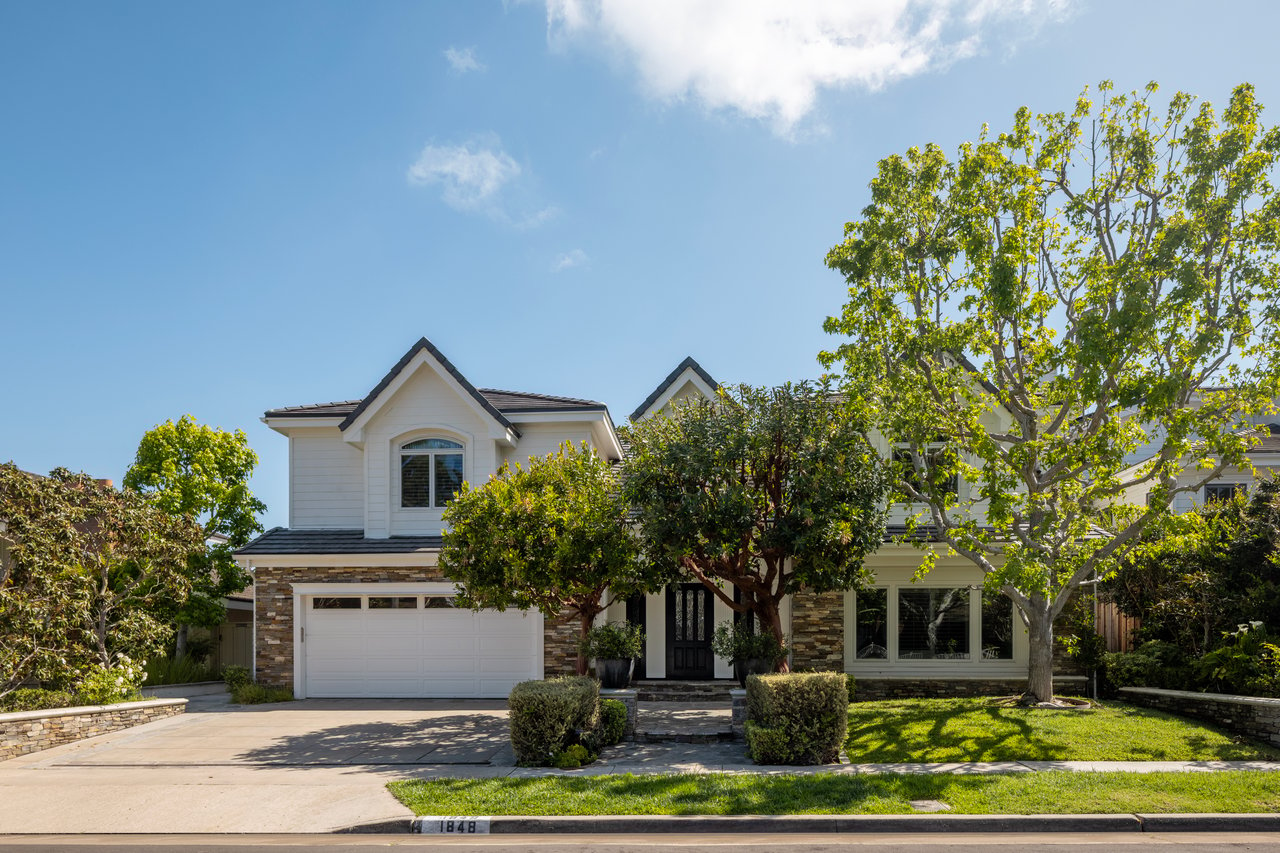
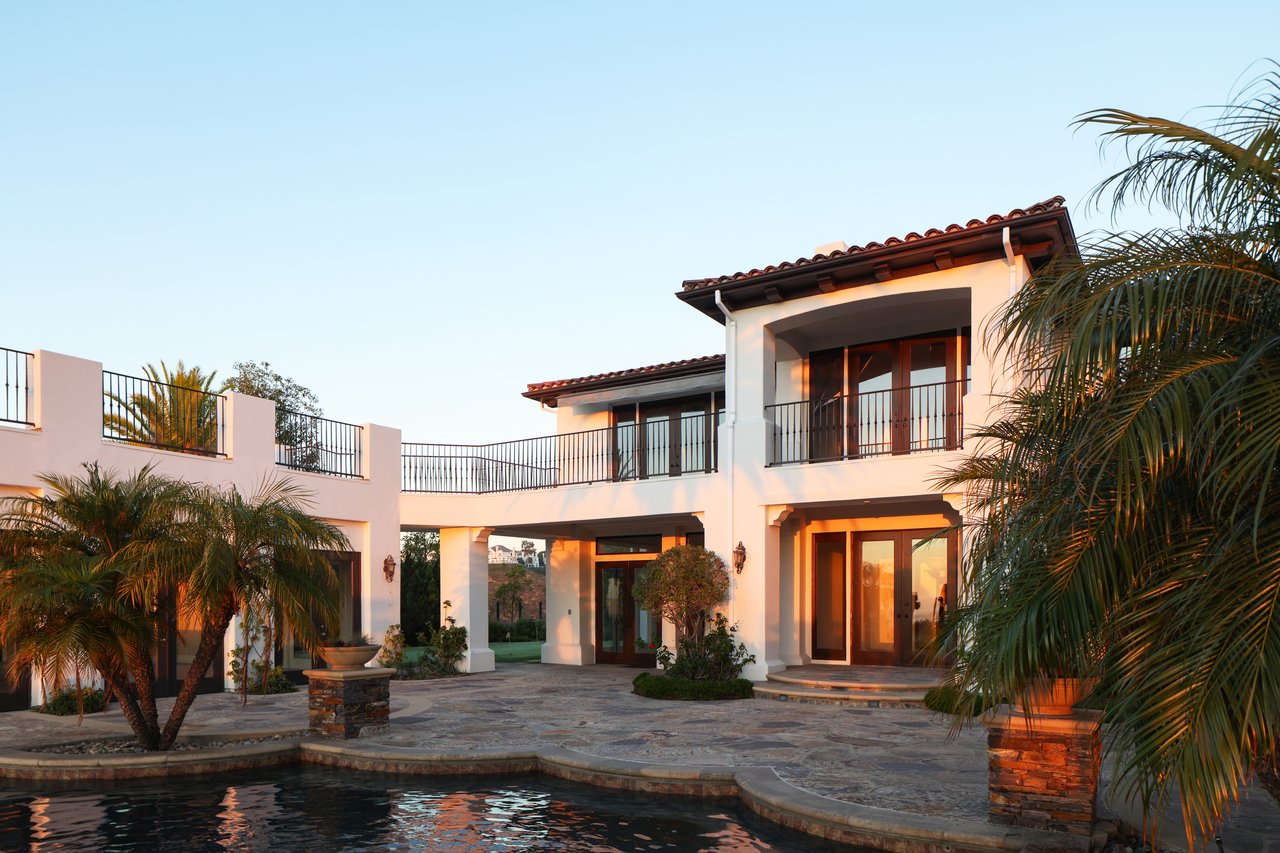
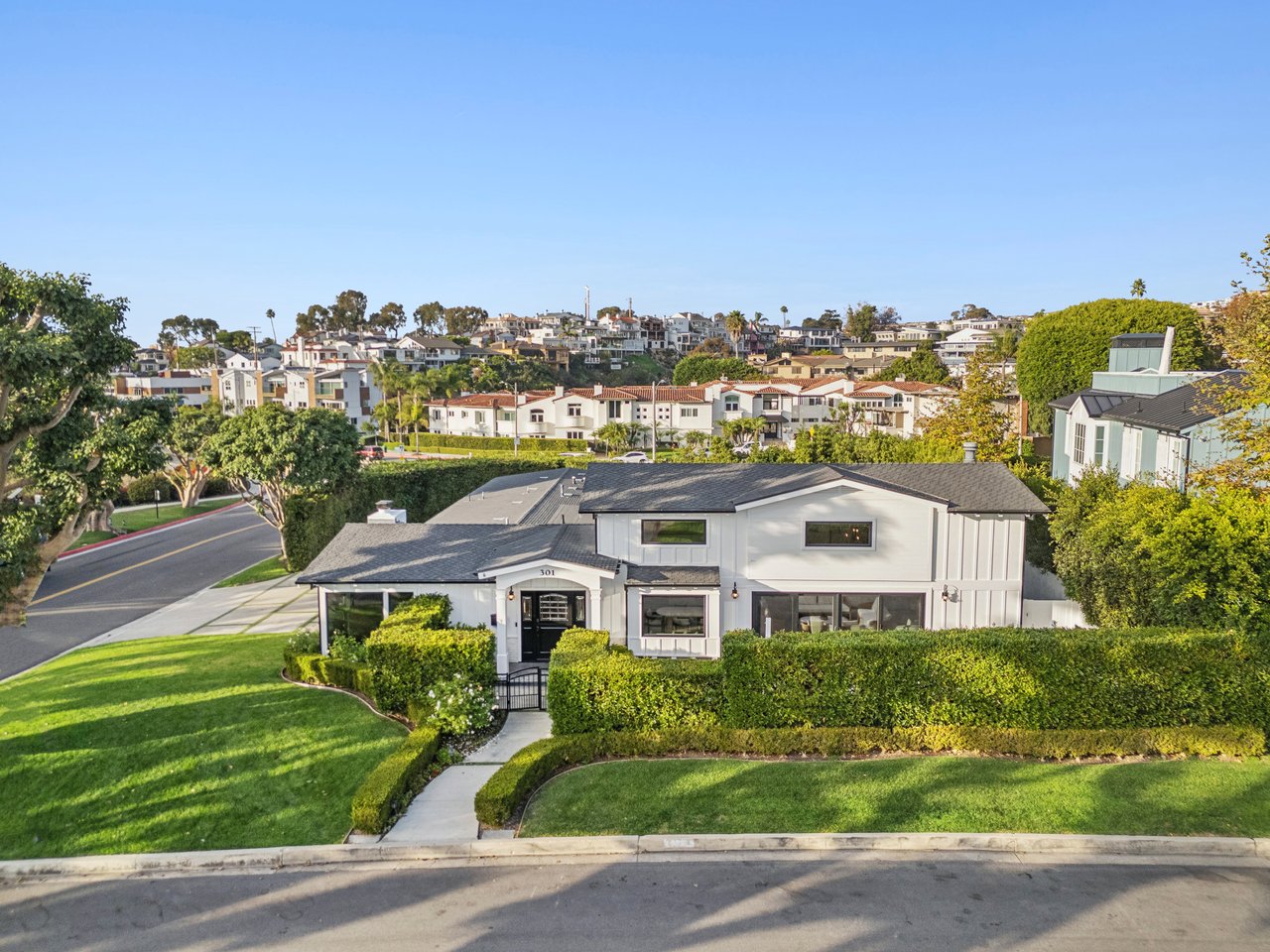
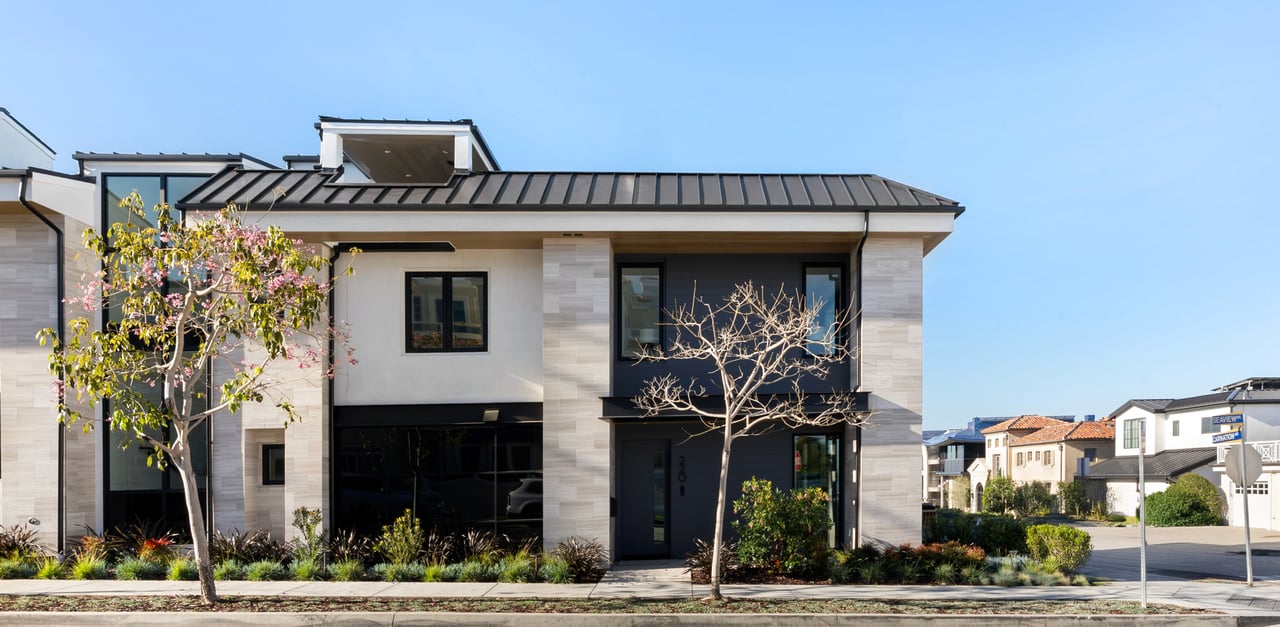
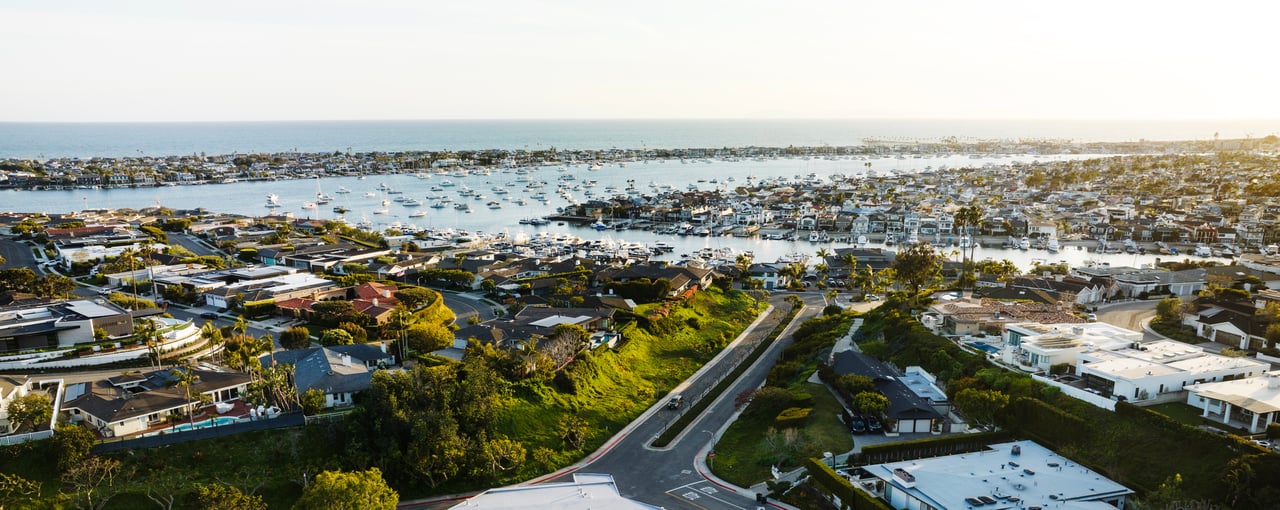
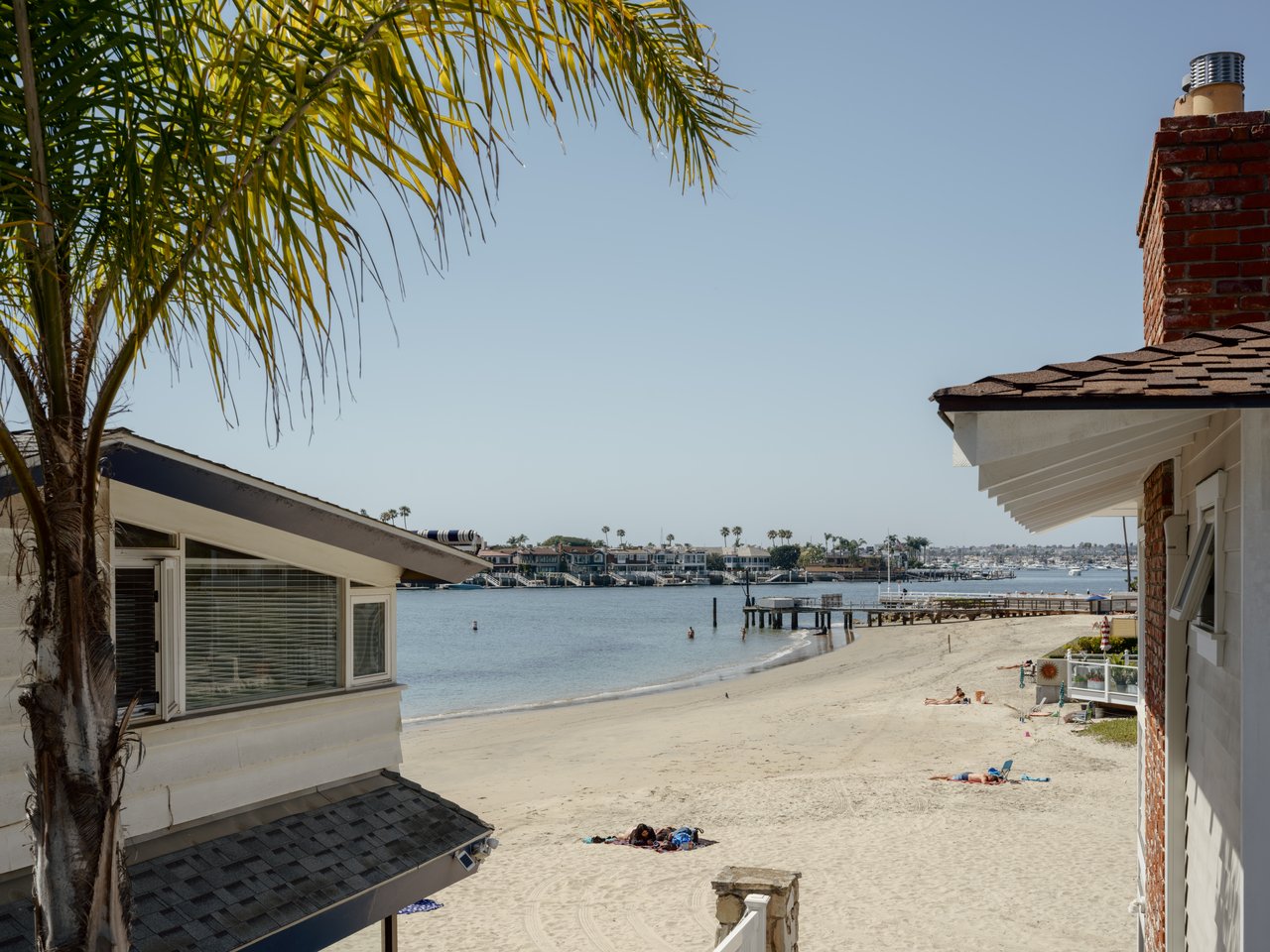
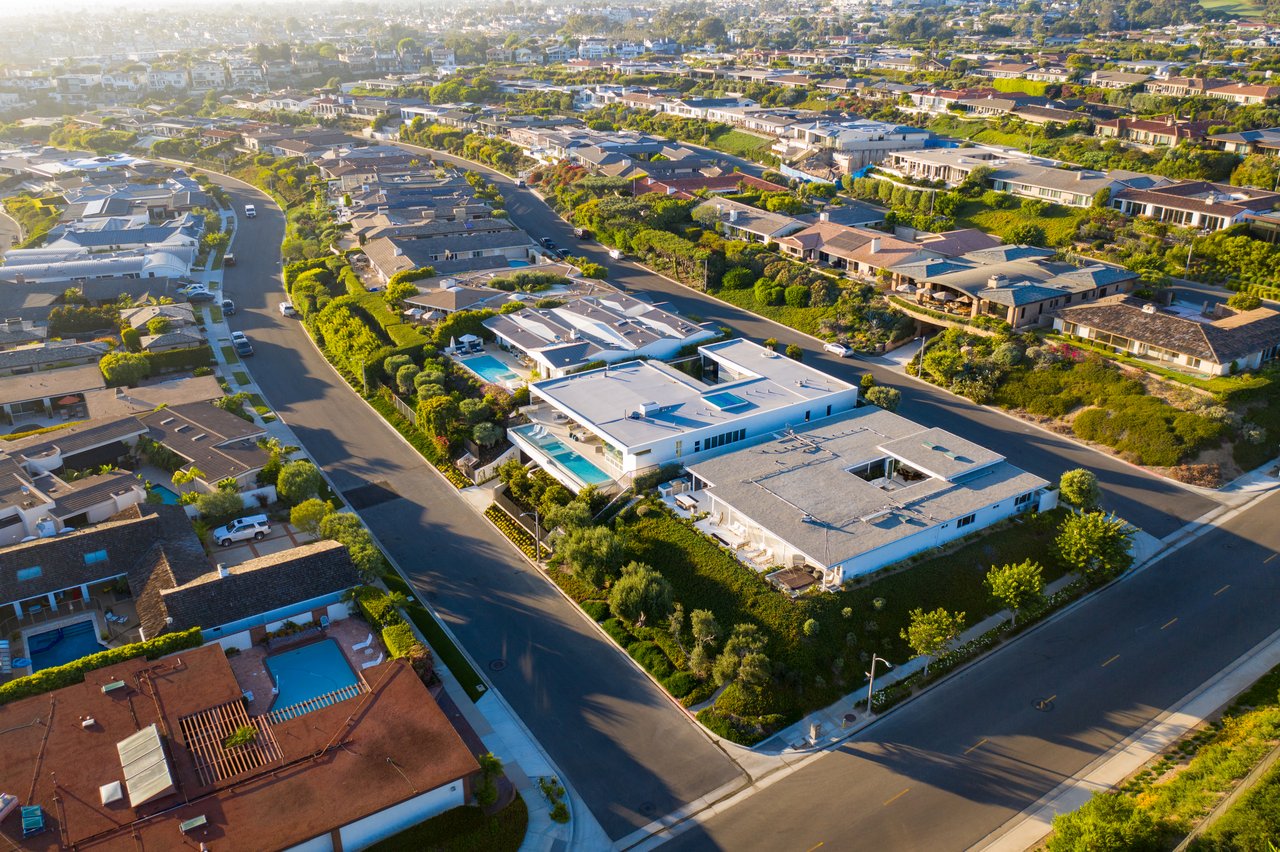
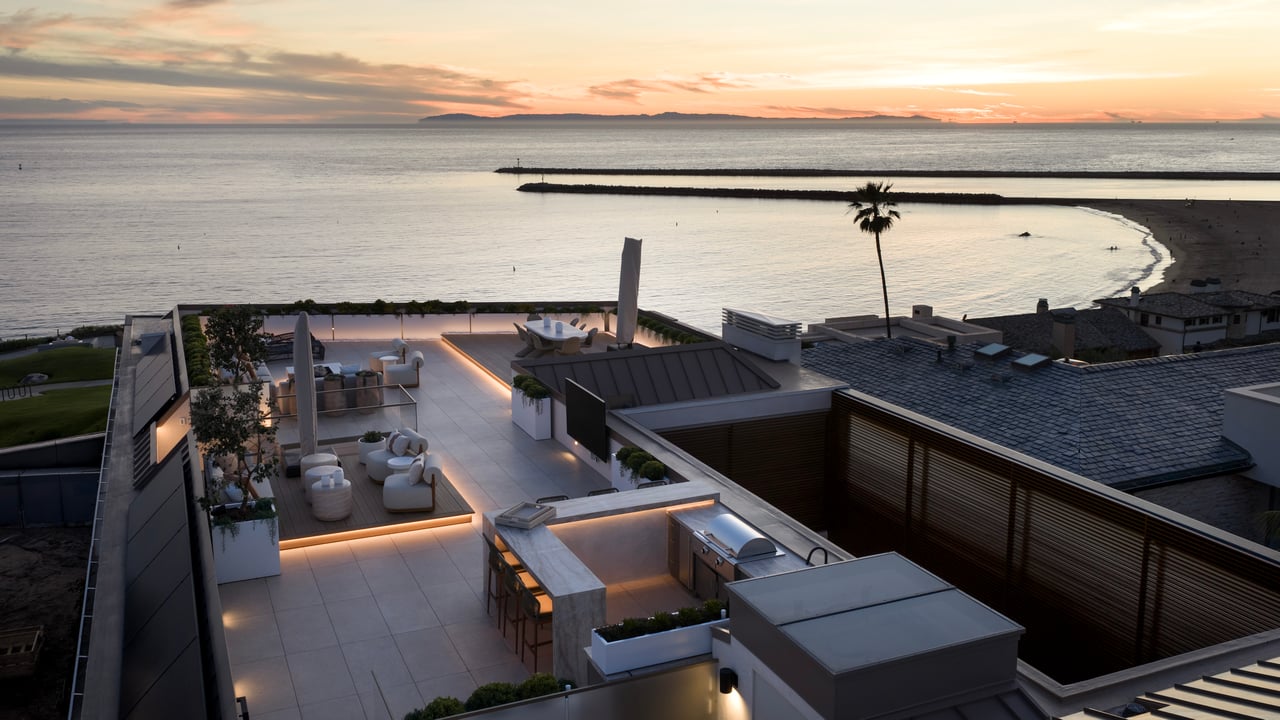
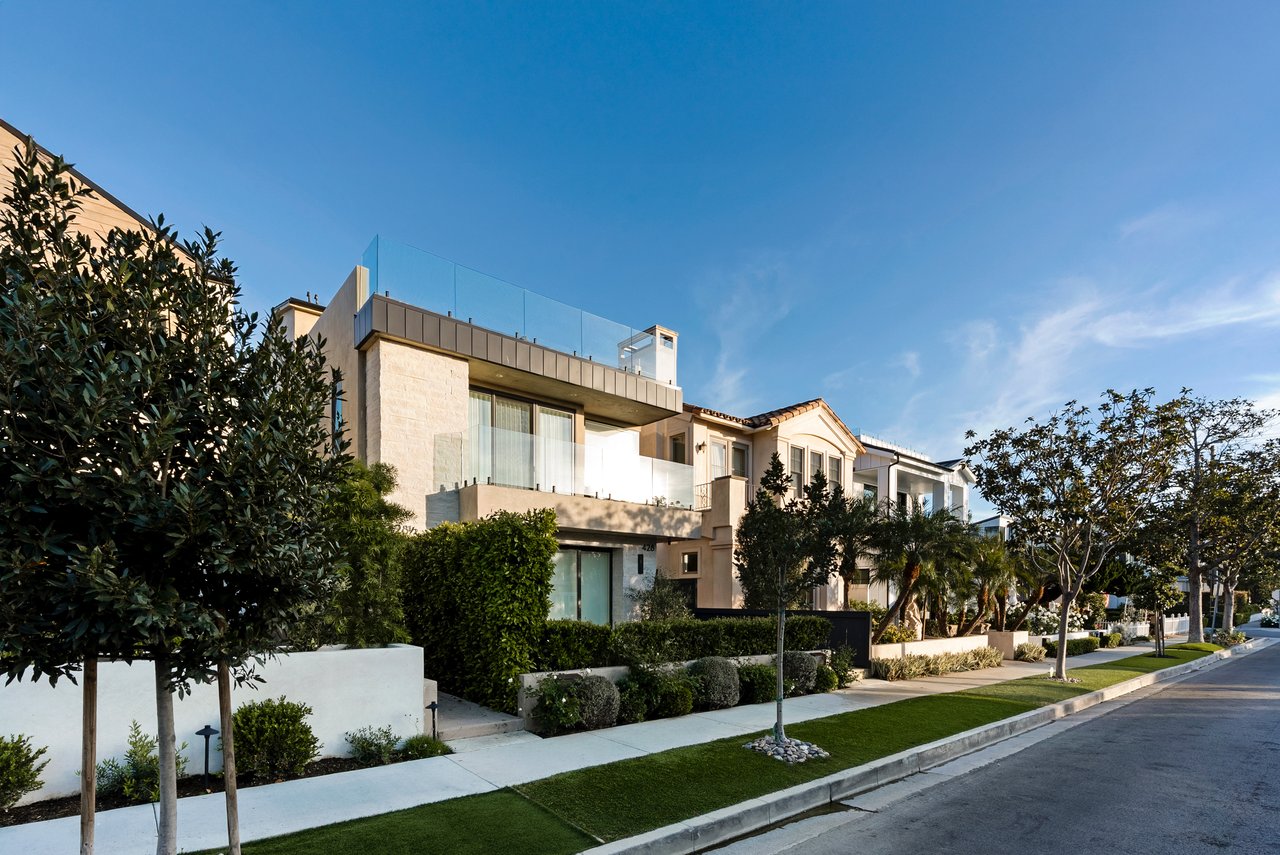
Corona del Mar is a coastal village within Newport Beach, known by the city for its state beach, harbor-entrance views, and compact village center of shops and restaurants. In a setting like this, it makes sense that some homeowners care deeply about privacy and selective exposure. It is also a luxury submarket, with recent snapshots showing median listing prices in the mid-$4 million range.
That said, not every “quiet” listing is truly off-market. A quiet listing may still be entered into the MLS but kept off public portals, while a true off-market or pocket listing is not broadly publicized at all. For you as a buyer or seller, that difference matters because it changes who can see the property, when they can see it, and how widely it can be promoted.
How CRMLS handles quiet listings
In Corona del Mar, the local MLS framework is CRMLS. As of April 2025, CRMLS said it would not create a separate delayed-marketing status in response to NAR policy changes. Instead, local agents and sellers work within CRMLS’s existing statuses and distribution controls.
That means a so-called off-market deal in Corona del Mar usually falls into one of a few specific categories. Understanding those categories can help you choose the right strategy and avoid confusion.
Registered status
A Registered listing means the listing contract is submitted to the MLS system, but the property is not in the MLS for sale. It does not distribute to public portals, cannot be publicly marketed, and does not require a photo. Only the listing brokerage can show it to its own clients.
This is one of the most private paths available within the CRMLS framework. It can appeal to sellers who want very limited exposure, but it also sharply narrows the audience.
Coming Soon status
A Coming Soon listing is in the MLS and can be marketed as coming soon, but no showings are allowed during that period. CRMLS caps this status at 21 days, and it does not accrue days on market while in Coming Soon.
For sellers, this can create a short preparation window for staging, photography, or final design touches. For buyers, it can serve as an early signal that a property may become available soon, even though access is still limited.
Active with No Internet
A listing can also be Active in the MLS while excluded from internet display. In that case, the property remains available for cooperation through the MLS, but the seller can direct CRMLS to keep it off public sites.
This option often sits in the middle ground. The home is still visible to agents working in the MLS, but it is not broadly exposed to the public through major search portals.
What sellers should know about public marketing
One of the most important local rules is that public marketing triggers MLS timing requirements. CRMLS states that if a listing is publicly marketed outside the brokerage, it must be entered into the MLS within one business day.
There is also an important distinction between direct one-to-one communication and broader public promotion. Based on the rules, quiet inventory often moves through direct broker relationships because one-to-one broker communication does not trigger the same requirement that broader public marketing does.
For sellers, the practical takeaway is simple: if you want privacy, your marketing plan has to match the rules. A private strategy is not just about staying off Zillow or Realtor.com. It is also about understanding what can and cannot be promoted publicly under CRMLS guidelines.
How off-market homes reach buyers
In Corona del Mar, off-market opportunities often surface through direct relationships before they ever appear on public websites. That is especially relevant in a high-value coastal market where many transactions are shaped by trust, discretion, and local networks.
For you as a buyer, this means online search results may tell only part of the story. Some opportunities may be shared broker-to-broker first, which can put buyers without strong local representation at a disadvantage.
National survey data points in the same direction. Zillow reported that 51% of agents said their brokerage has a private listing network, 44% said they had listed a home on one in the prior six months, and 48% said they had shown a home on one.
Why off-market is common here
The local numbers help explain why this conversation comes up so often in Corona del Mar. As of March 2026, Realtor.com showed Newport Beach with 503 homes for sale, a median listing price of $4.6875 million, and a median of 58 days on market. For Corona del Mar, it showed 106 homes for sale, a median listing price of $4.445 million, and a median of 57 days on market.
Zillow’s April 30, 2026 snapshot put Corona del Mar’s typical home value at $4.26 million, with 80 homes for sale and 29 new listings. In the broader county, Orange County’s detached-home market remained relatively tight in the latest county report, with 2,530 homes in inventory, 2.5 months’ supply, and a median detached sales price of $1.4 million in November 2025.
In a market with limited supply and high price points, private dealmaking is not unusual. Sellers may want fewer showings, more discretion, or a more curated process. Buyers may want access to homes before they reach a wider audience.
The tradeoff: privacy vs exposure
Off-market does not automatically mean better. In fact, the central tradeoff is usually privacy versus reach.
A private approach can reduce curiosity traffic and preserve discretion. That can be valuable if your home is highly personal, architecturally significant, or simply not ready for a broad public debut.
At the same time, less exposure usually means fewer people know the home is available. Fewer eyes can mean less competition, and less competition can affect pricing power.
That is why broad MLS exposure remains the benchmark for sellers who want the strongest chance of reaching the largest pool of buyers. CRMLS and NAR disclosures both make clear that sellers choosing exempt or private paths are giving up broad, immediate exposure.
There is also data worth noting on pricing. Zillow found that U.S. homes sold off the MLS in 2023 and 2024 typically closed for about $5,000 less than comparable MLS-listed homes. That does not mean every private sale underperforms, but it does suggest that privacy alone does not guarantee a premium.
How timing fits into the strategy
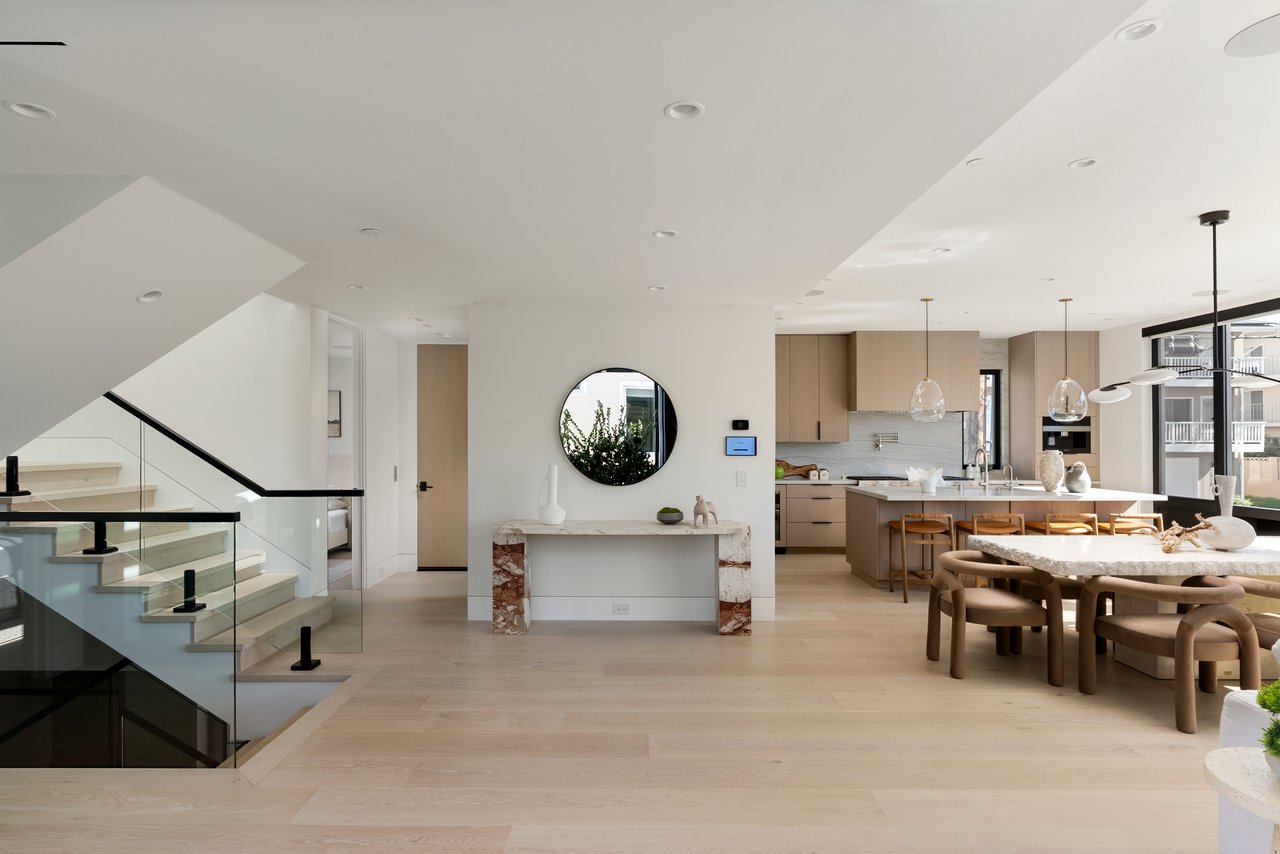
Timing matters in every market, but in Corona del Mar the question is often less about chasing a generic calendar window and more about readiness. Is the home prepared for photography, staging, and the level of presentation expected in this price range? Is there a reason to start quietly before going fully public?
CRMLS’s Coming Soon status can help during that short preparation period, but it is not designed for extended secrecy. If your goal is a longer private rollout, you need to choose a path that fits both your goals and the local rules.
For buyers, timing matters too. If you wait for every opportunity to appear online, you may miss the earliest window when serious interest begins to build.
What buyers should ask
If you are hoping to find off-market opportunities in Corona del Mar, focus on access and process rather than labels alone. The better question is not just whether a home is off-market. It is how inventory actually moves through this local network.
Consider asking:
- What types of quiet inventory are common in Corona del Mar?
- Are there opportunities shared directly between brokerages before public syndication?
- How quickly do Registered, Coming Soon, or Active No Internet listings typically move into wider exposure?
- What is the plan for evaluating value if there are fewer public signals?
In a market with selective exposure, local fluency matters. So does a calm, disciplined strategy when the right property appears.
What sellers should ask
If you are thinking about selling privately, start with your actual goal. Some sellers want discretion. Others want a short private test before a broader launch. Others still want maximum exposure from day one.
A few useful questions include:
- Is privacy more important to me than reaching the widest audience?
- Is the home fully ready for a public launch, or do I need a short preparation window?
- Would an Active listing with no internet display strike the right balance?
- What am I potentially giving up in terms of buyer competition?
The right answer depends on the property, the timing, and your priorities. In a luxury market, the best strategy is rarely one-size-fits-all.
Why local nuance matters
One of the most important details in Corona del Mar is that CRMLS does not offer a separate delayed-marketing status in the way some people might expect from national policy discussions. Locally, a quiet listing usually means one of three things: Registered, Coming Soon, or Active with internet display turned off.
That nuance matters because the term “off-market” gets used loosely. If you are buying or selling in Corona del Mar, the real advantage comes from understanding the exact status, the exposure limits, and the strategic implications of each option.
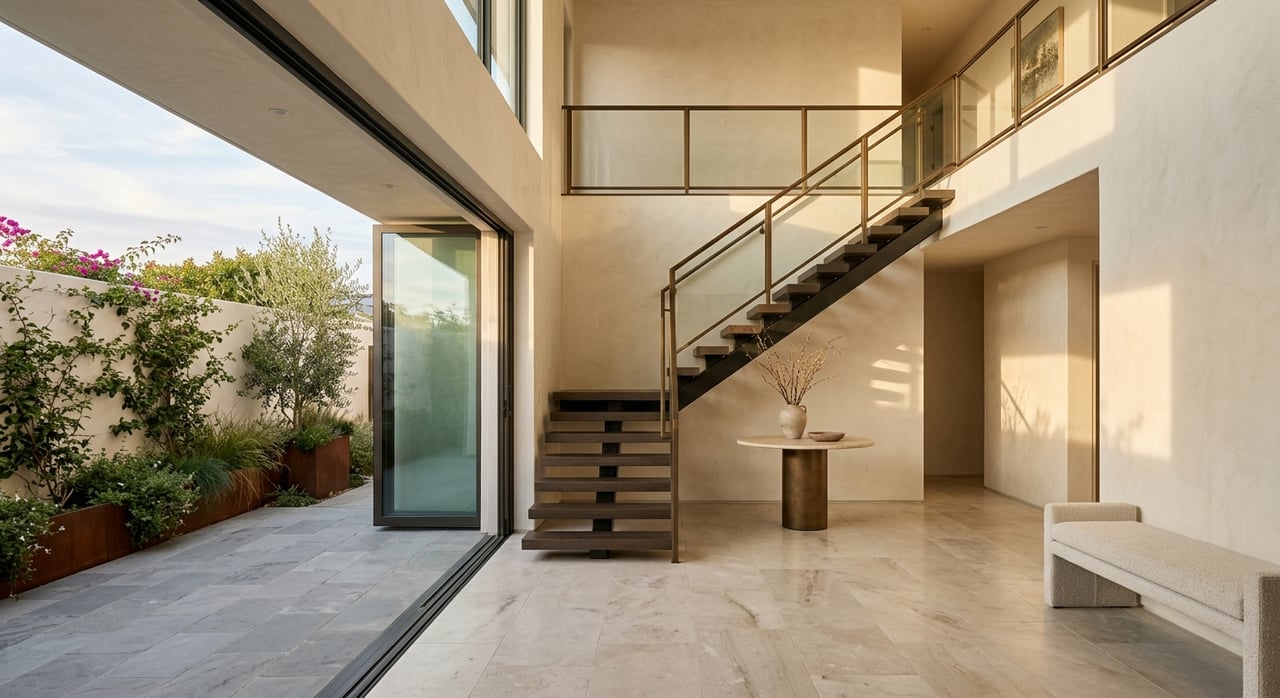
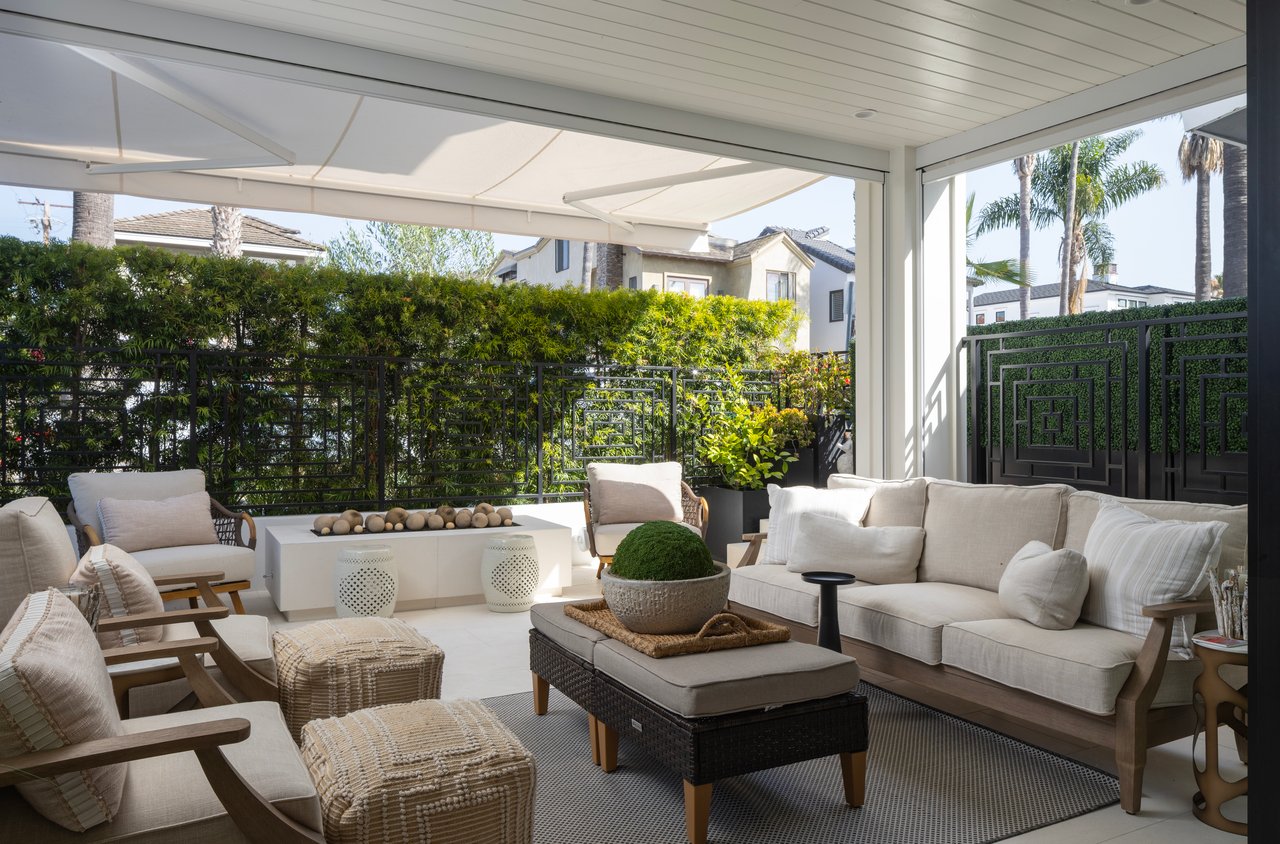
For a luxury homeowner, that can shape privacy, presentation, and pricing. For a buyer, it can shape whether you hear about an opportunity early enough to act.
If you are considering a private sale or want better visibility into quiet inventory in Corona del Mar, working with a brokerage that understands the local rules, buyer pool, and design expectations can make the process much more intentional. To start a confidential conversation, connect with VALIA Properties.
FAQs
What is an off-market home in Corona del Mar?
- In Corona del Mar, an off-market home generally refers to a property that is not broadly publicized to the public, though some quiet listings may still appear in the MLS with limited internet exposure.
How does CRMLS define a Registered listing?
- A Registered listing is submitted to the MLS system but is not in the MLS for sale, does not distribute to public portals, cannot be publicly marketed, and may only be shown by the listing brokerage to its own clients.
How long can a Coming Soon listing stay in CRMLS?
- CRMLS caps Coming Soon status at 21 days, and no showings are allowed during that period.
Can a Corona del Mar seller keep a home off Zillow and similar sites?
- Yes. A seller can direct CRMLS to exclude an Active listing from internet display while still keeping it available within the MLS for agent cooperation.
Do off-market homes in Corona del Mar sell for more?
- Not necessarily. The research cited here shows that off-MLS homes in the U.S. typically sold for about $5,000 less than comparable MLS-listed homes in 2023 and 2024, which suggests privacy does not guarantee a higher sale price.
Why do buyers miss off-market listings in Corona del Mar?
- Buyers can miss them because some quiet inventory is shared directly through broker relationships before it appears on public search portals, which limits visibility for buyers relying only on online listings.