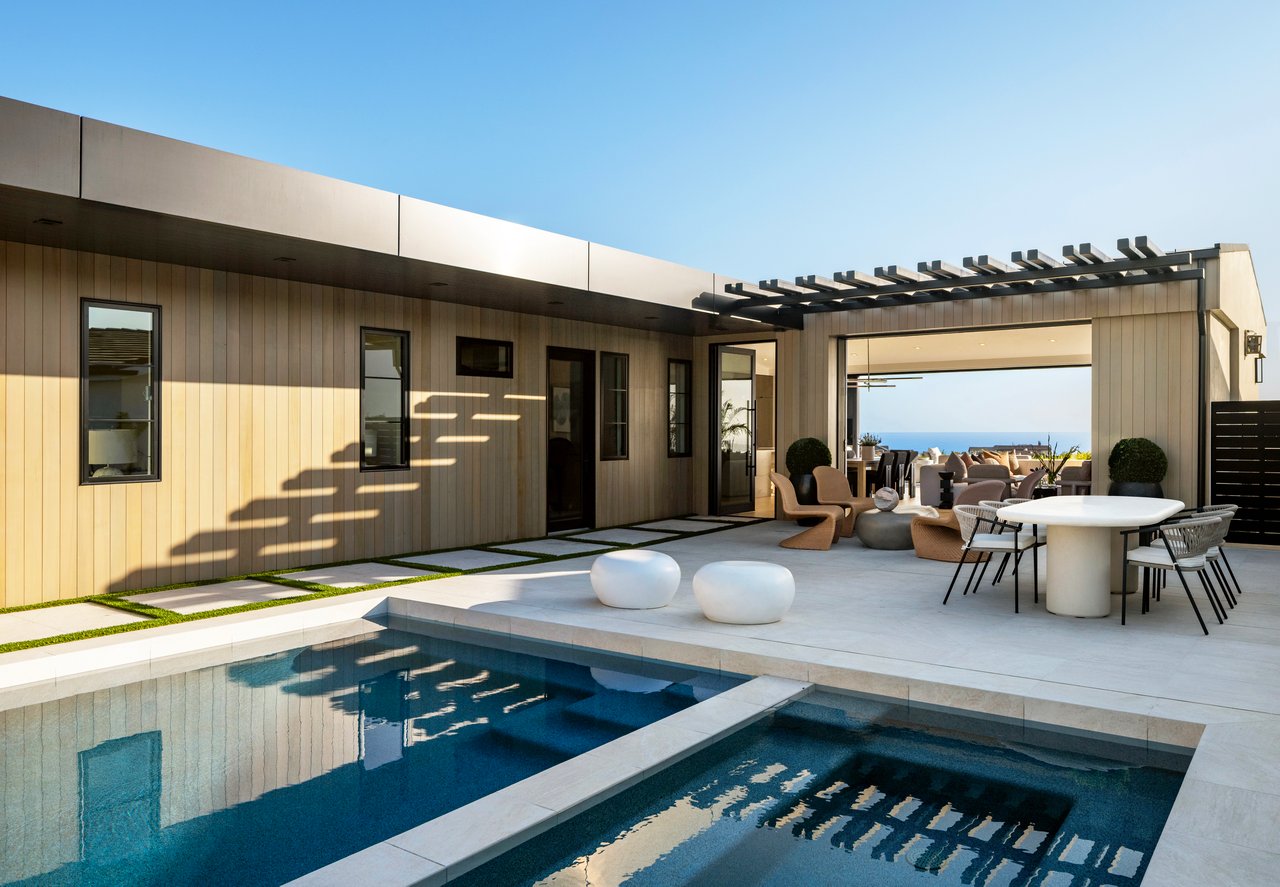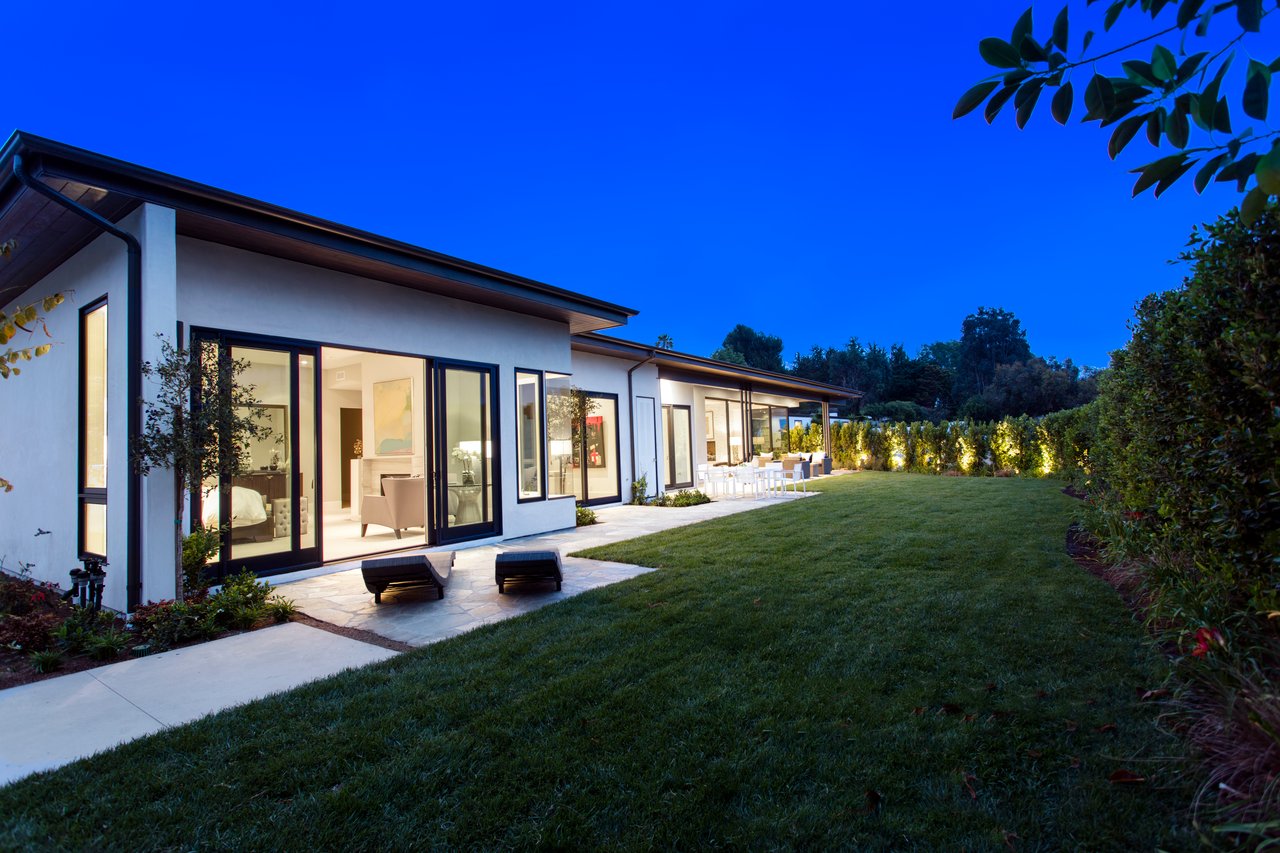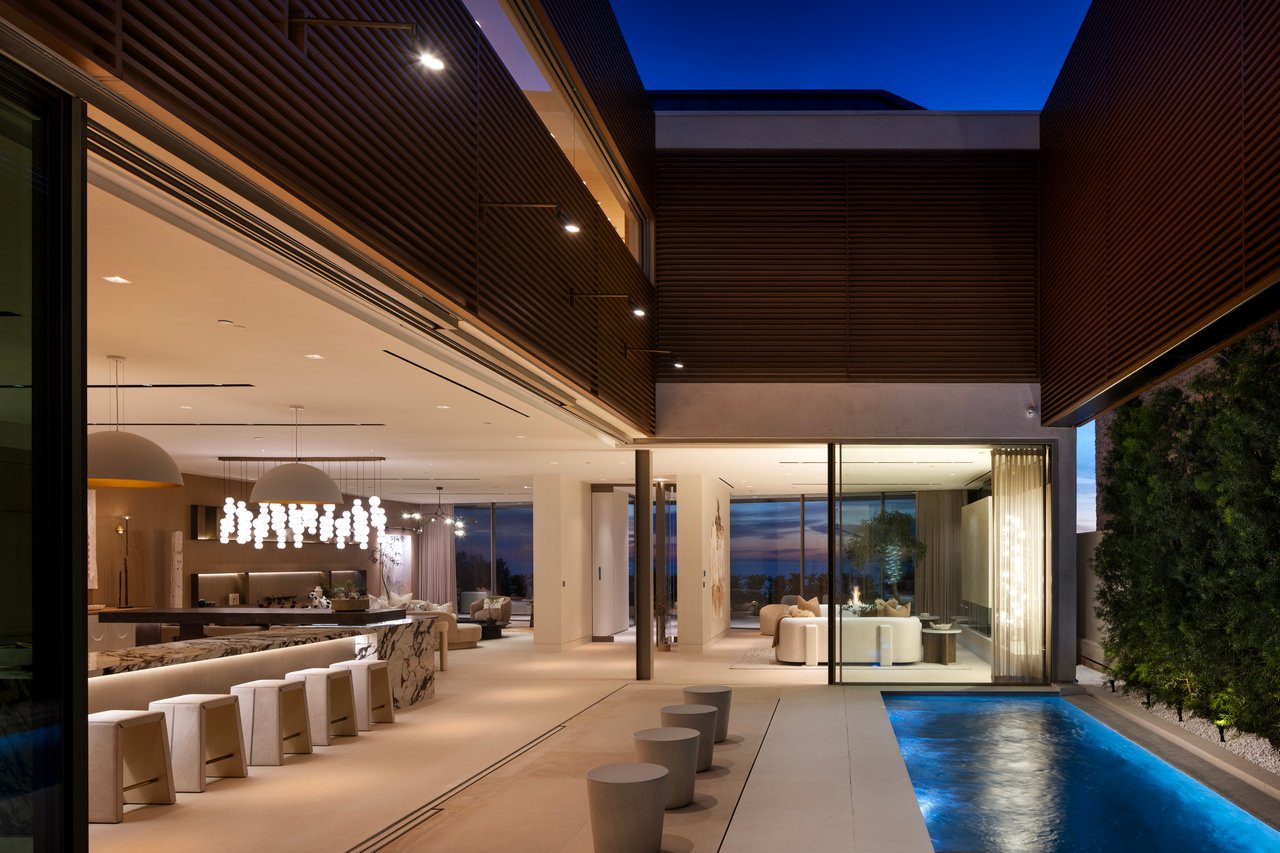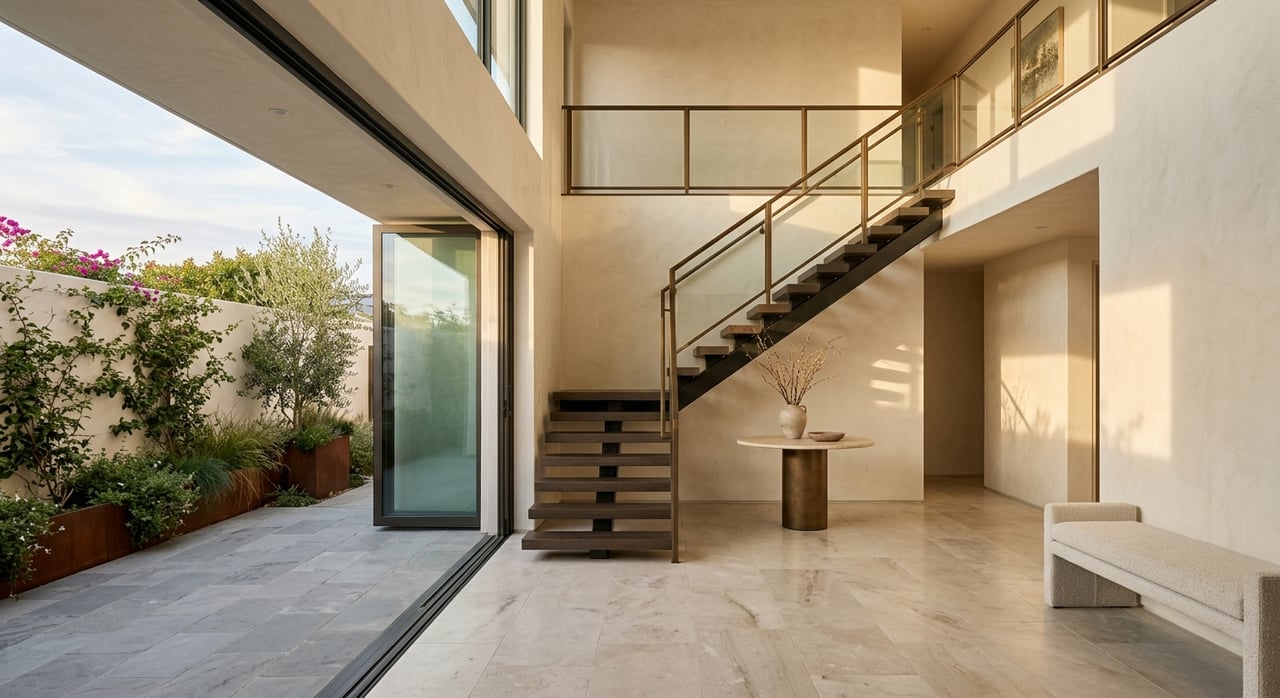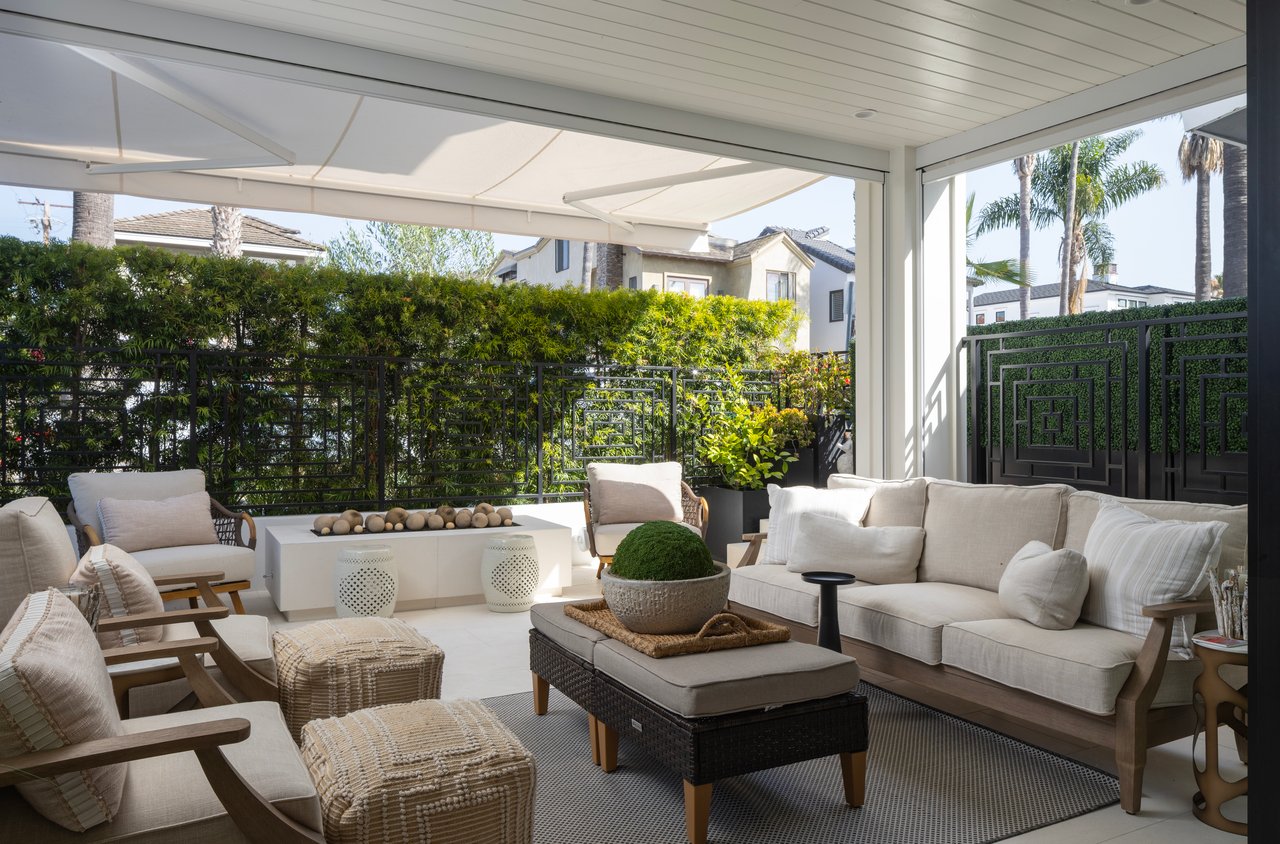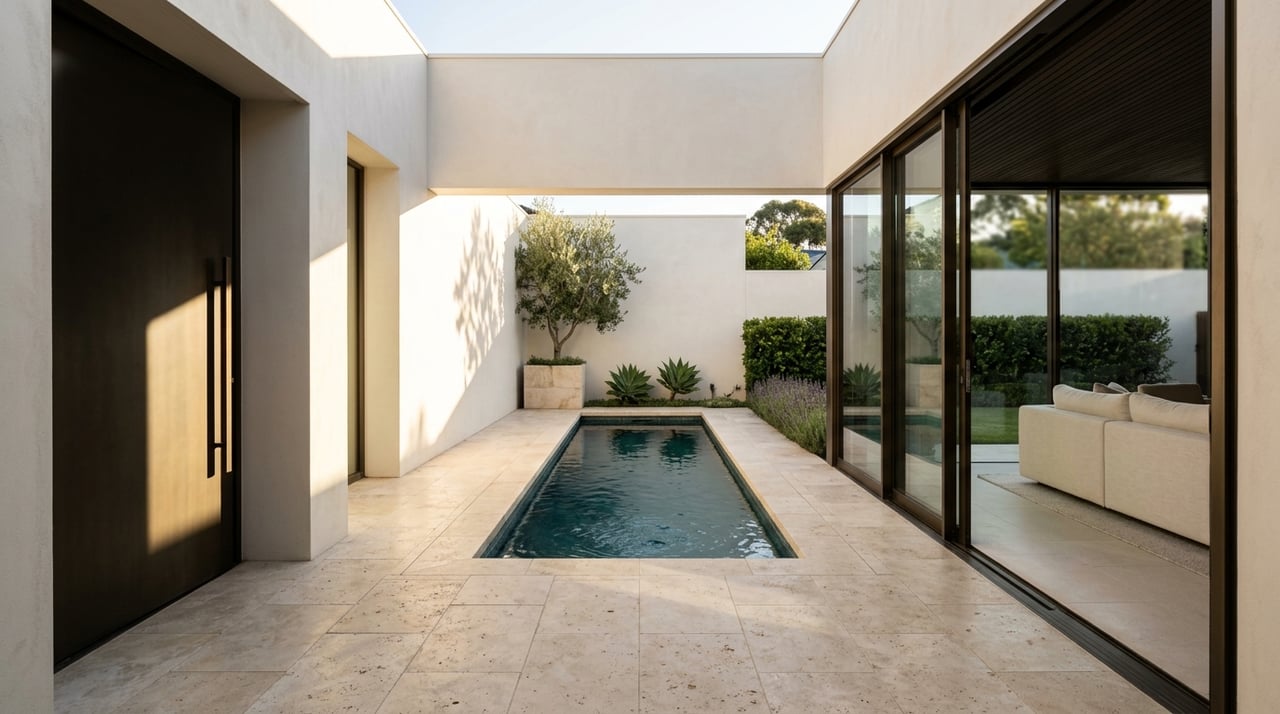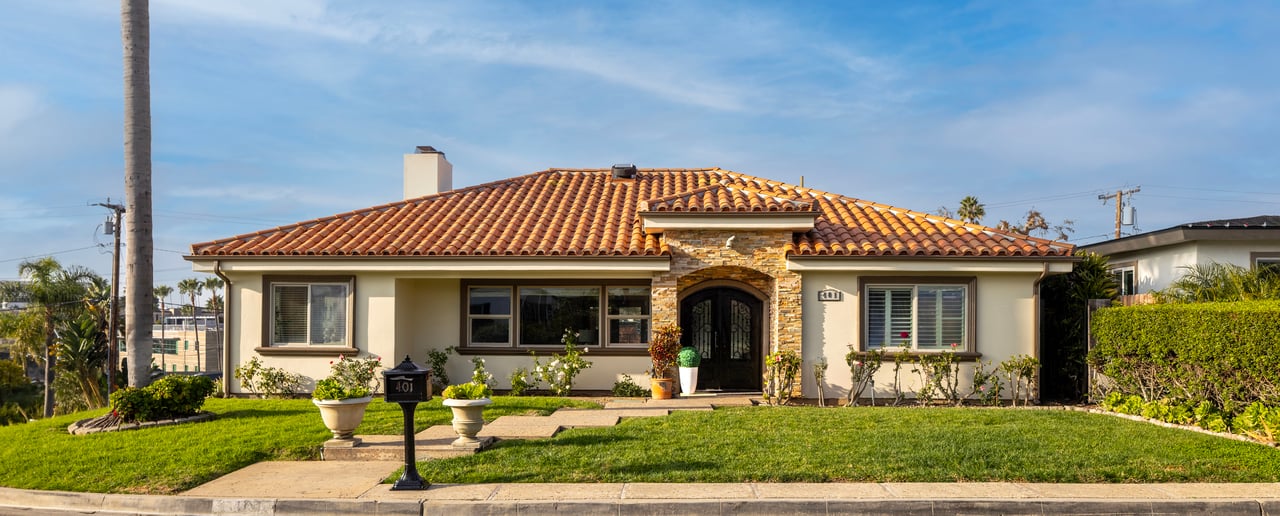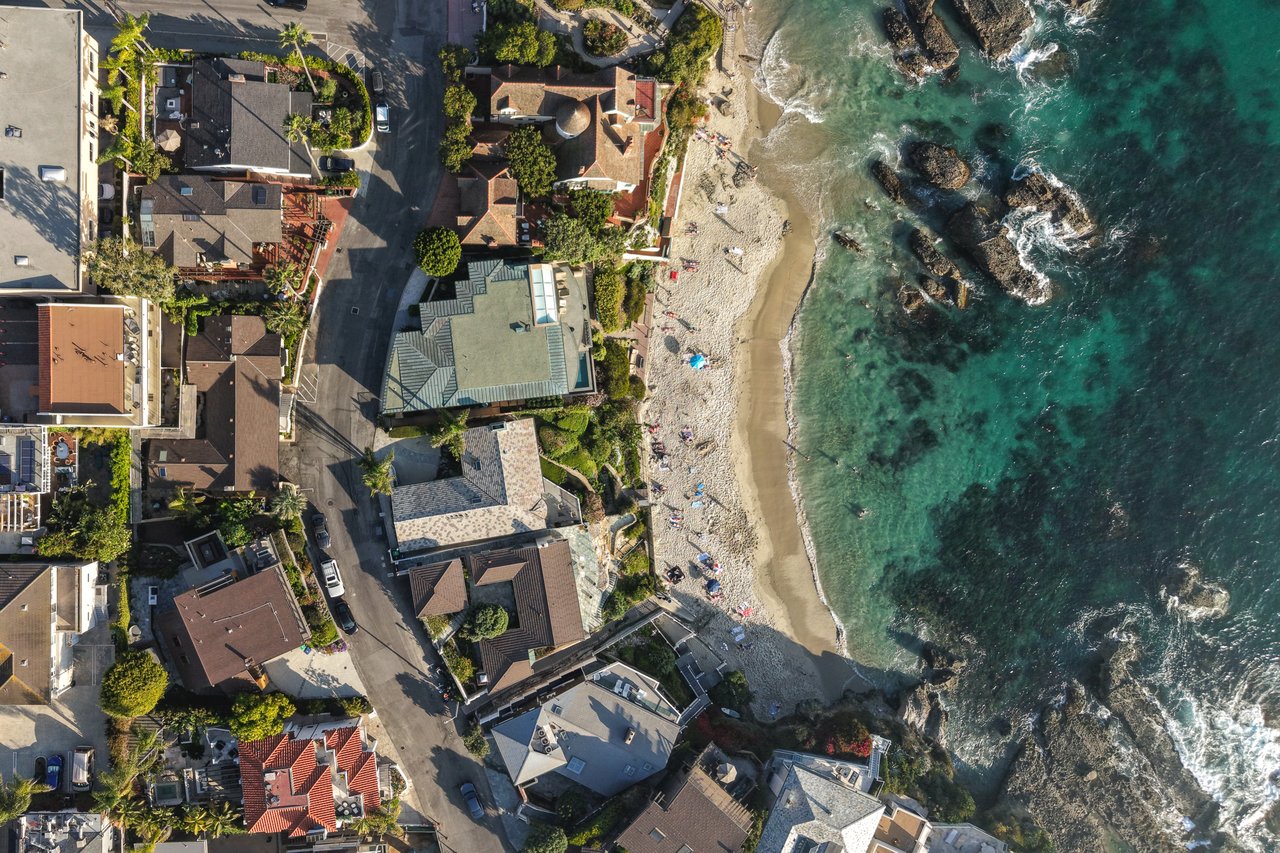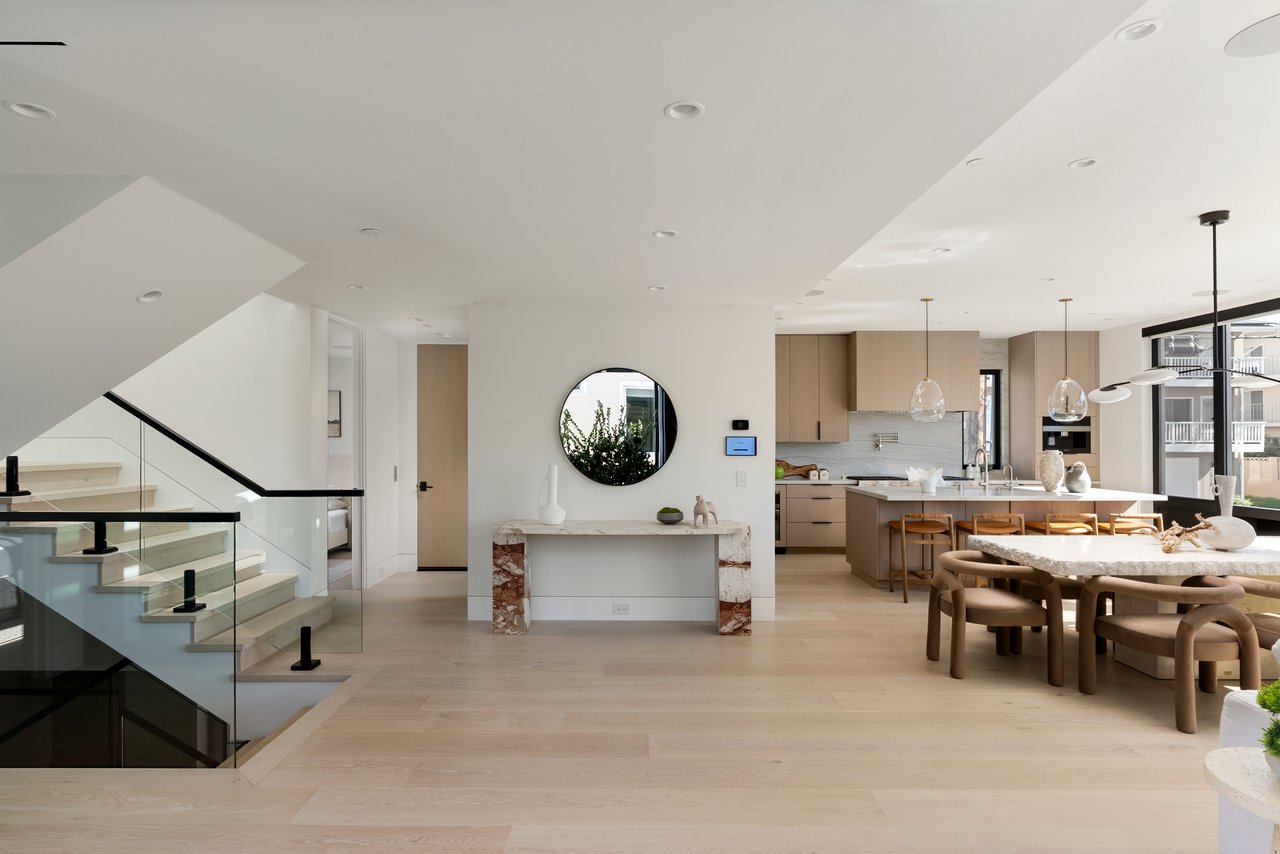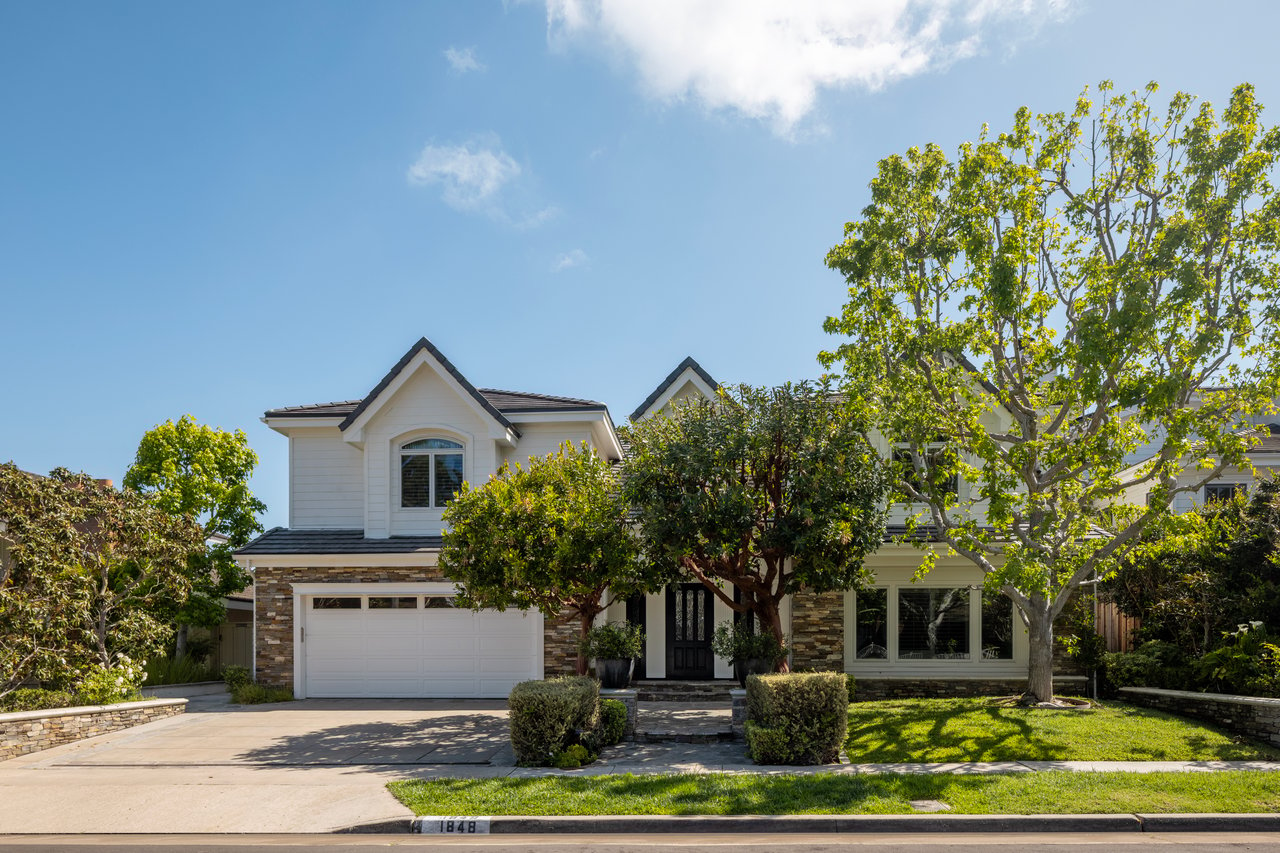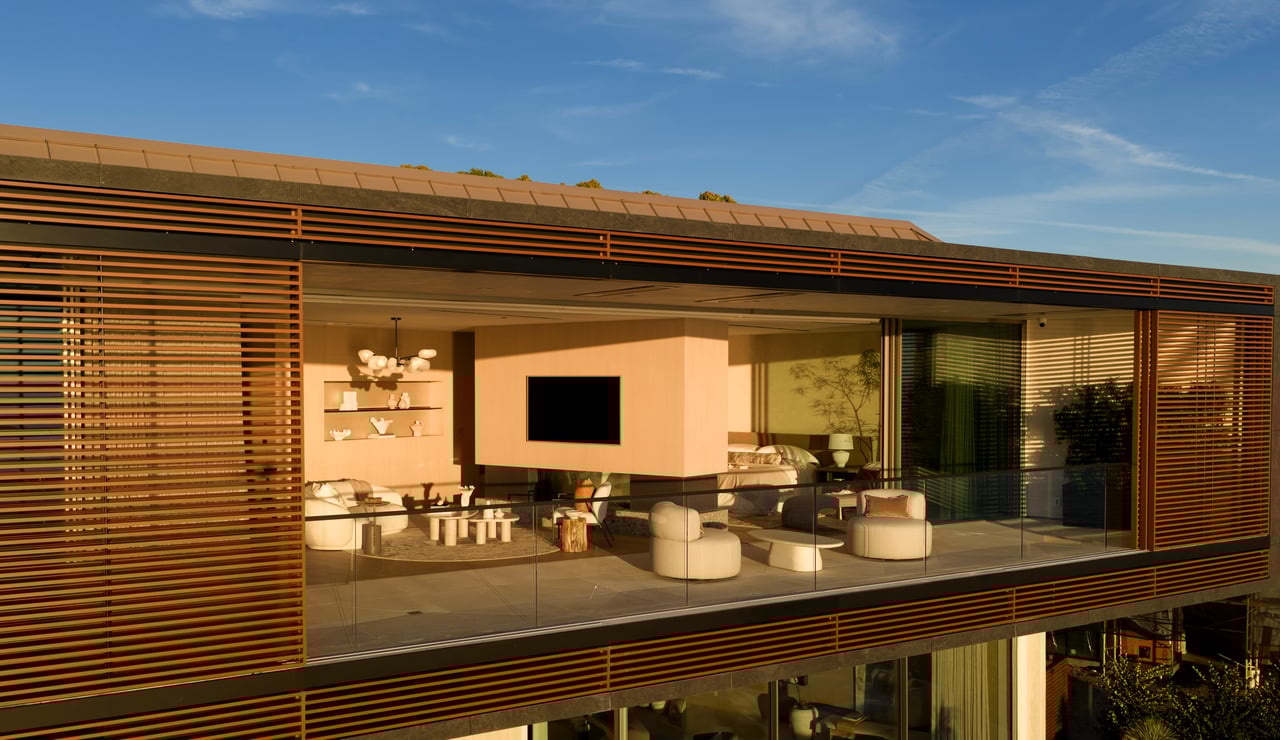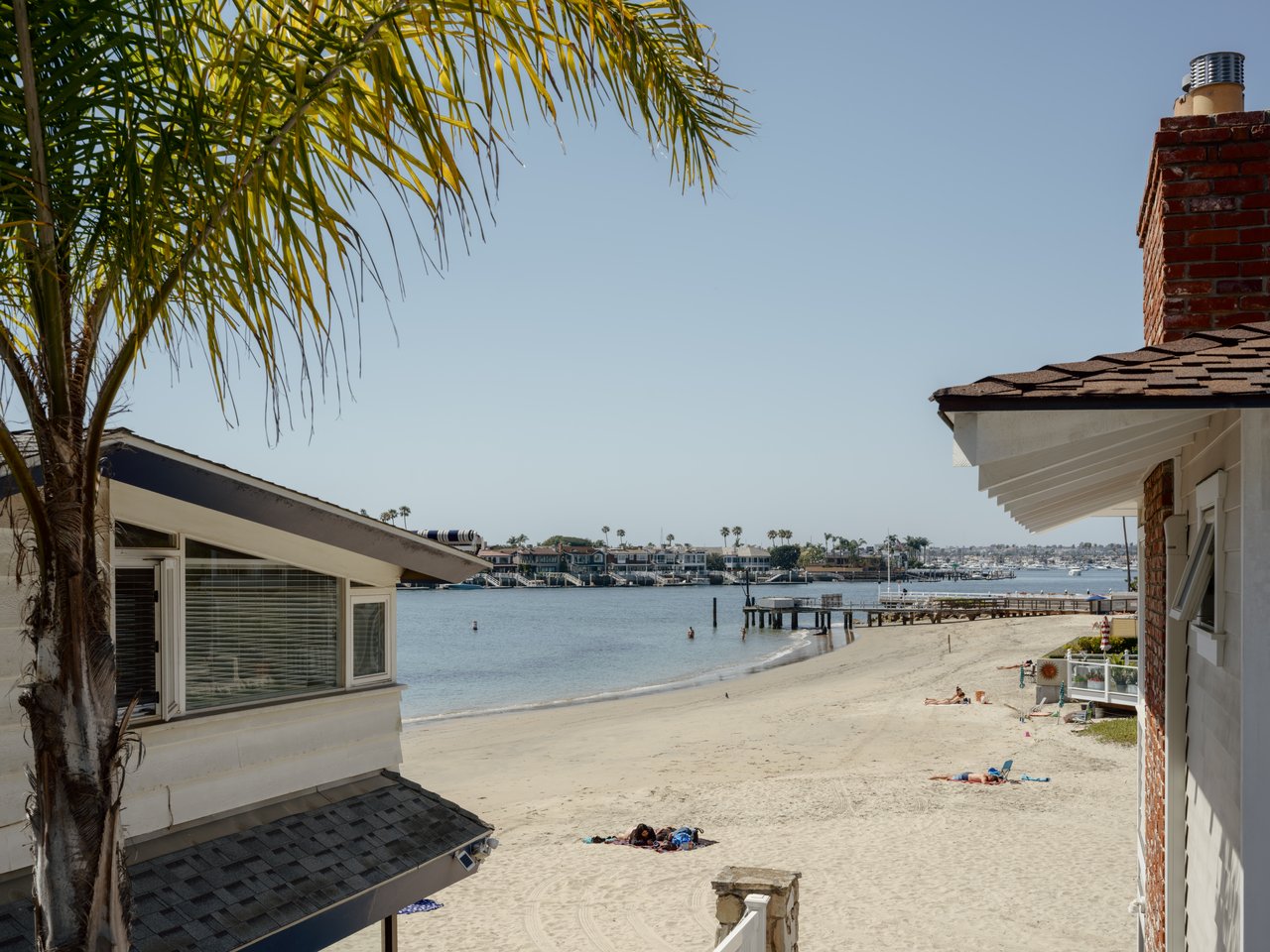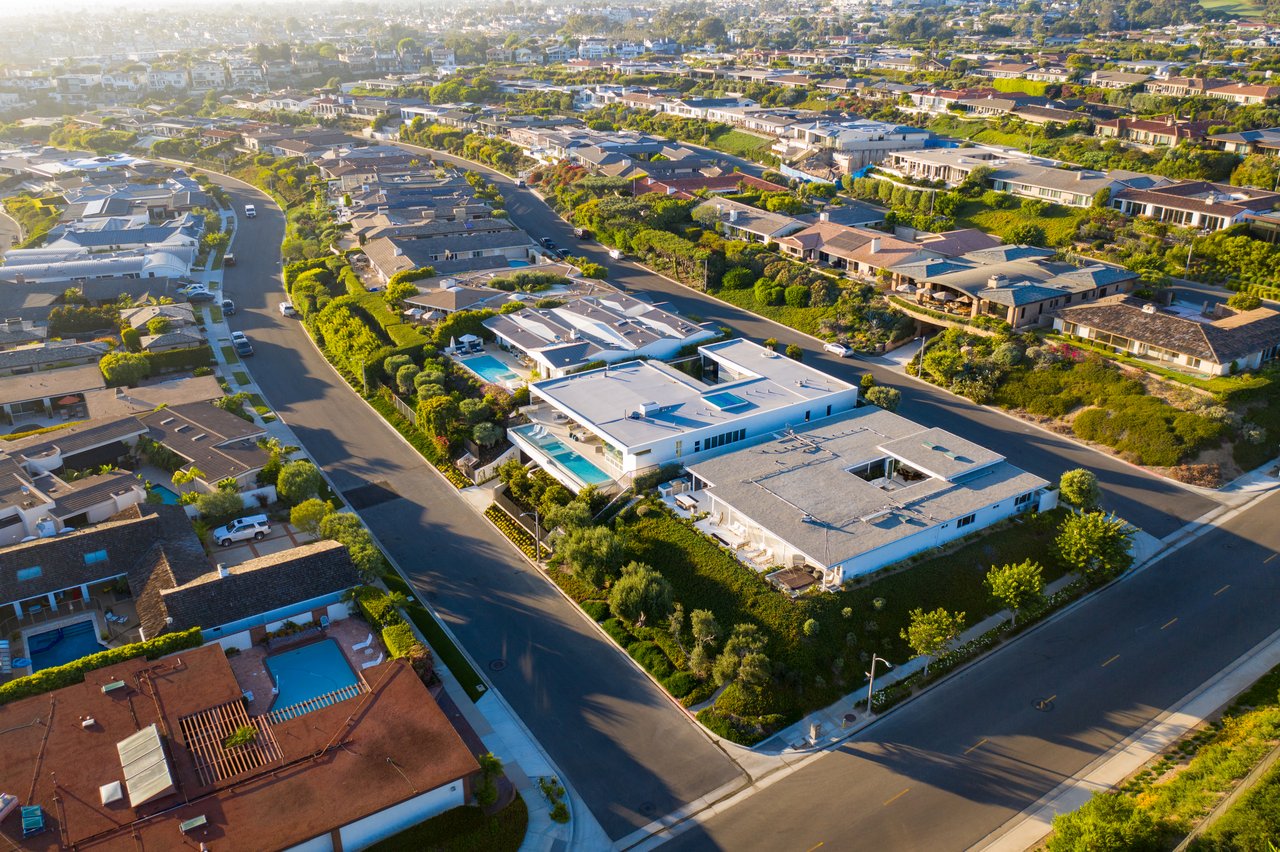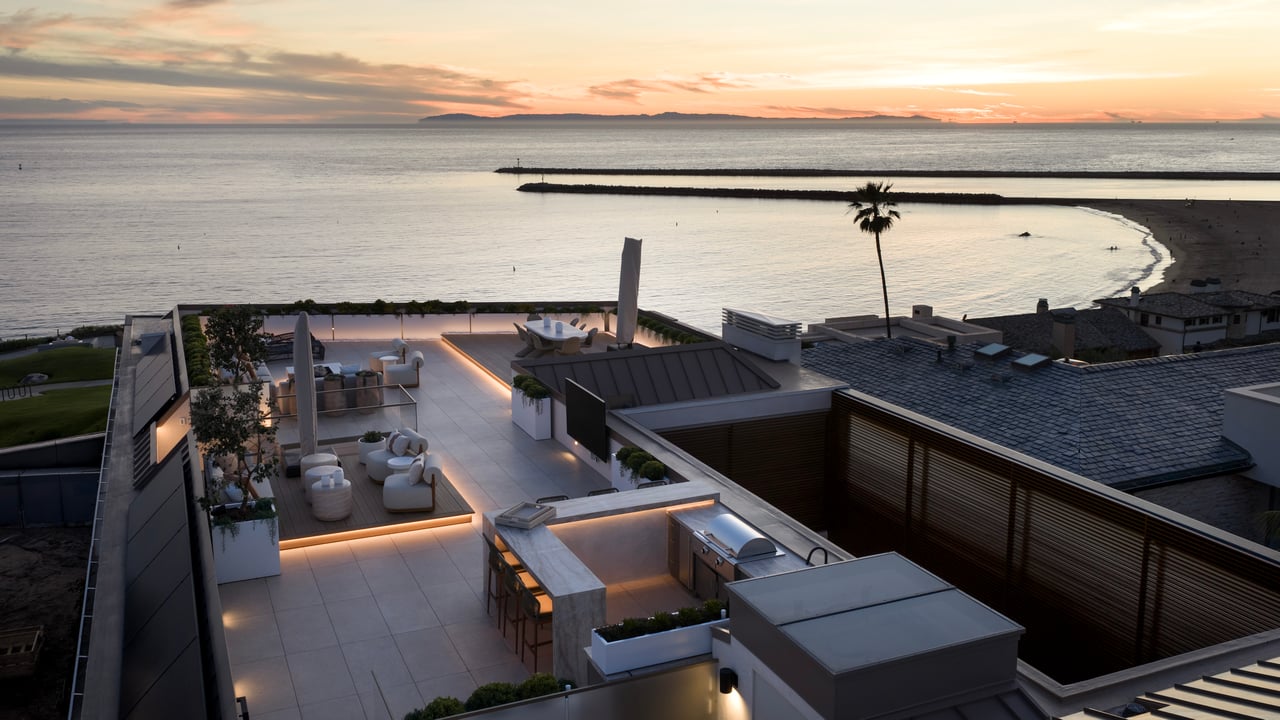
If you are choosing between oceanfront and harbor living in Newport Beach, the right answer usually comes down to how you want your days to feel. Some buyers want open horizons, beach access, and the rhythm of the surf. Others want calm water, boating access, and a more sheltered waterfront setting. This guide will help you compare both lifestyles with more clarity so you can focus on the setting that truly fits you. Let’s dive in.
Oceanfront vs Harbor at a Glance
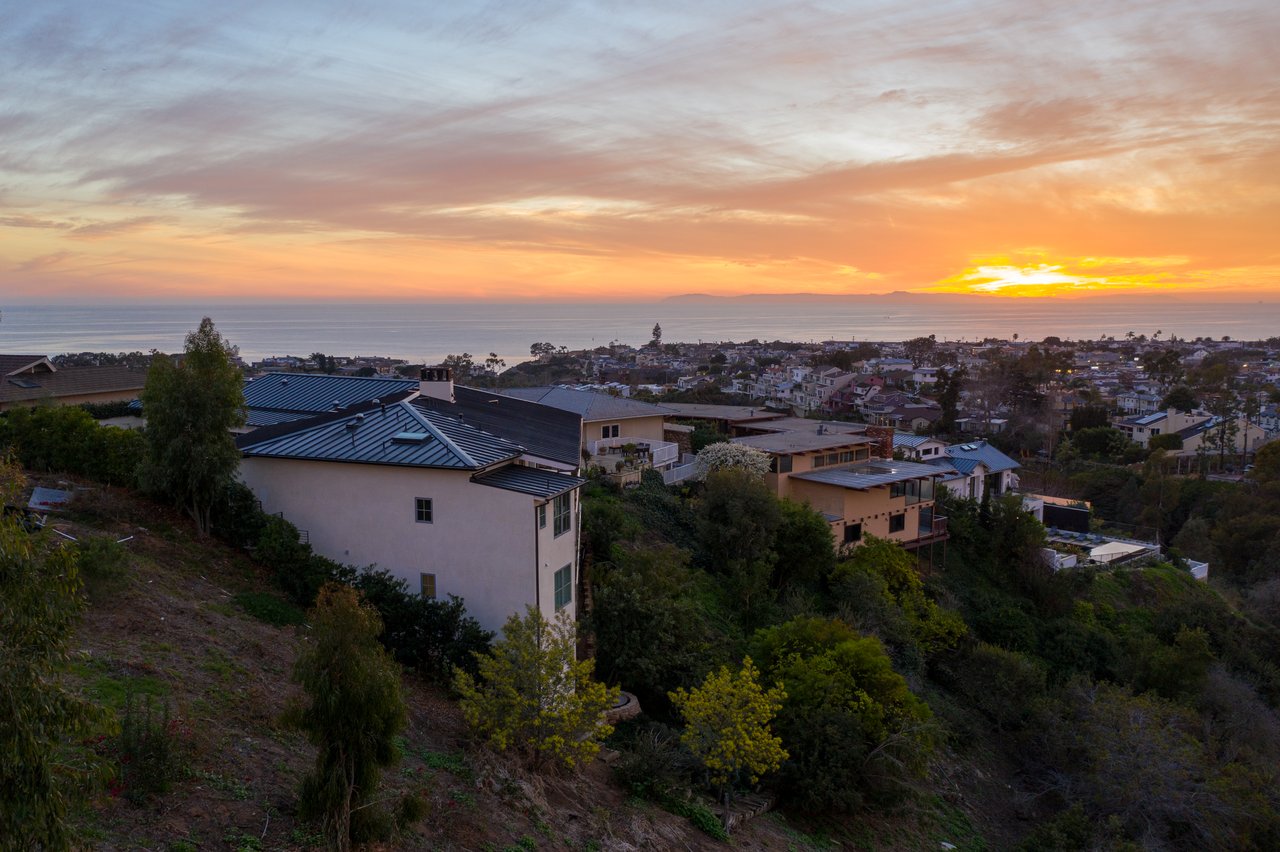
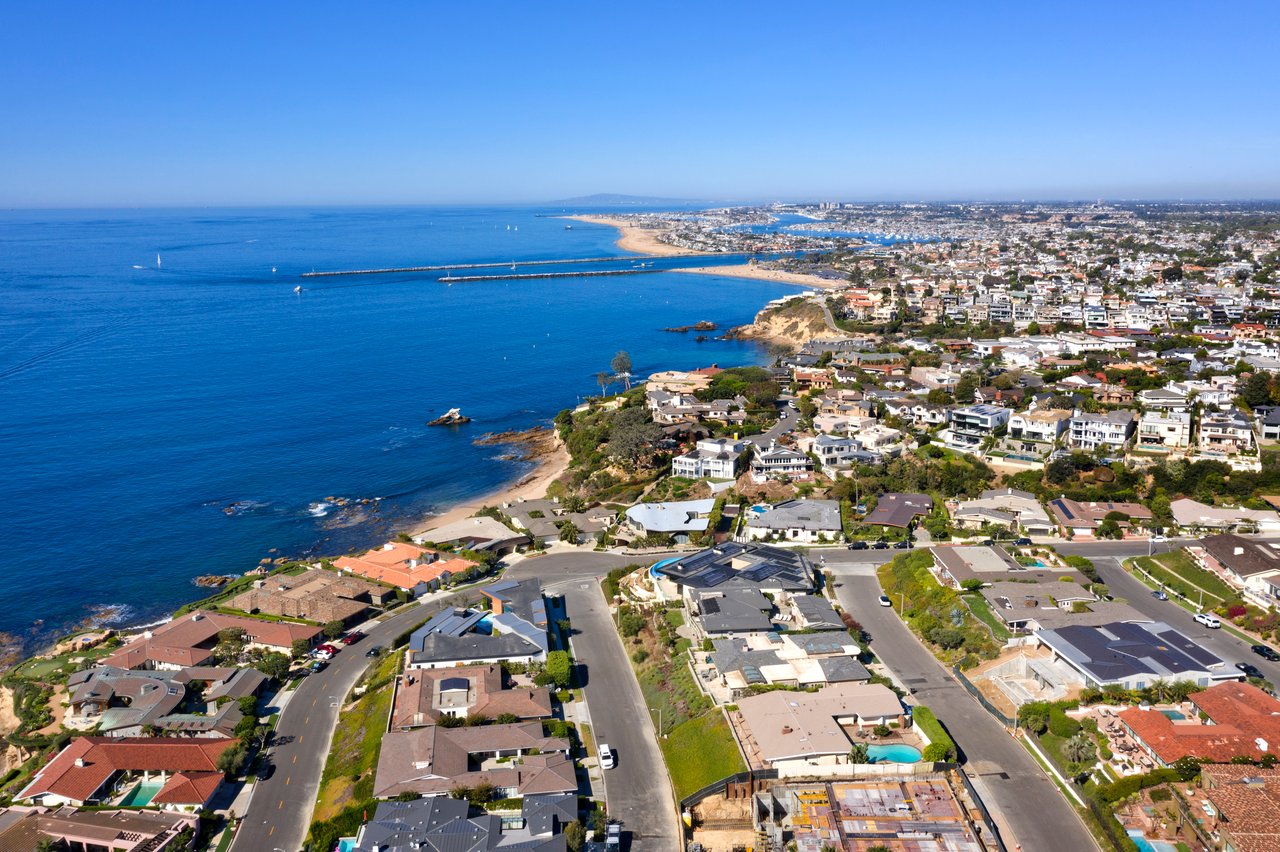
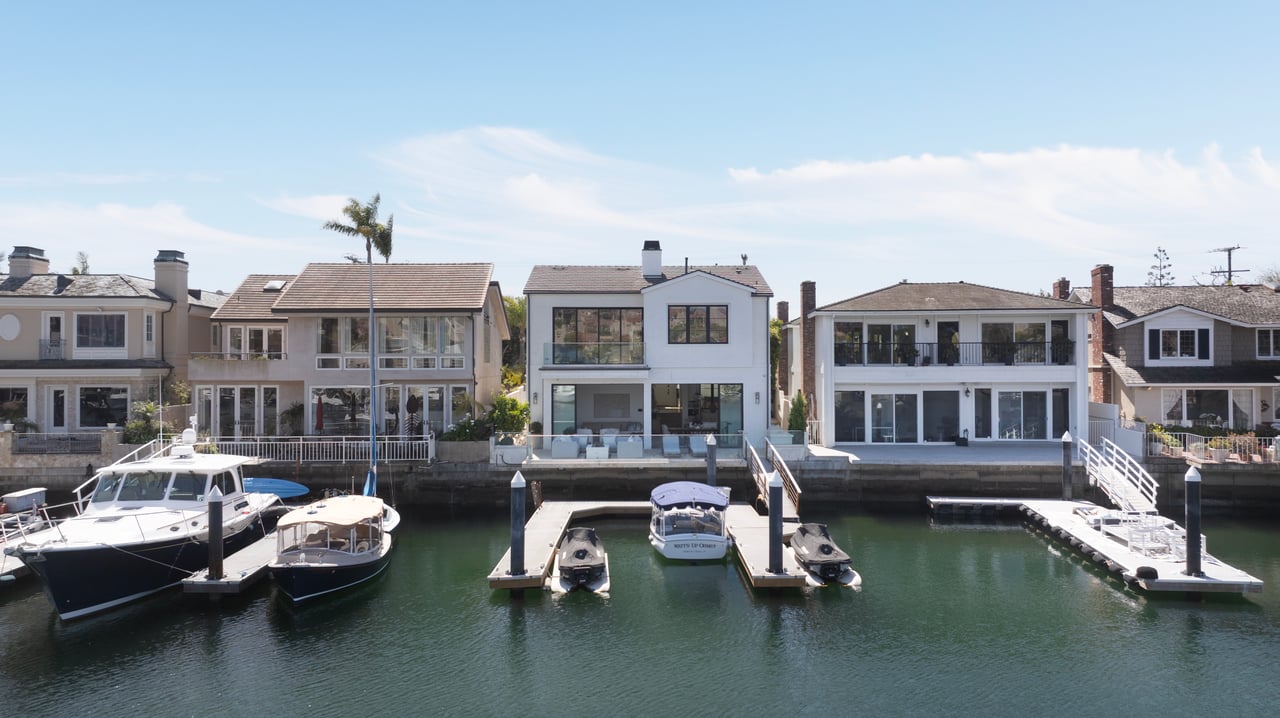
Newport Beach offers two very different waterfront experiences, even though both carry the same coastal prestige. In broad terms, oceanfront living often points buyers toward areas like Corona del Mar, where blufftop and shoreline homes connect closely to the beach and open water. Harbor living is centered around Newport Harbor and enclaves such as Balboa Island and Lido, where life tends to revolve around protected water, docks, ferries, and boating activity.
Neither option is universally better. The real question is whether you are beach-first or boat-first, and how much daily activity, maintenance, and public exposure you want around your home.
Oceanfront Living in Corona del Mar
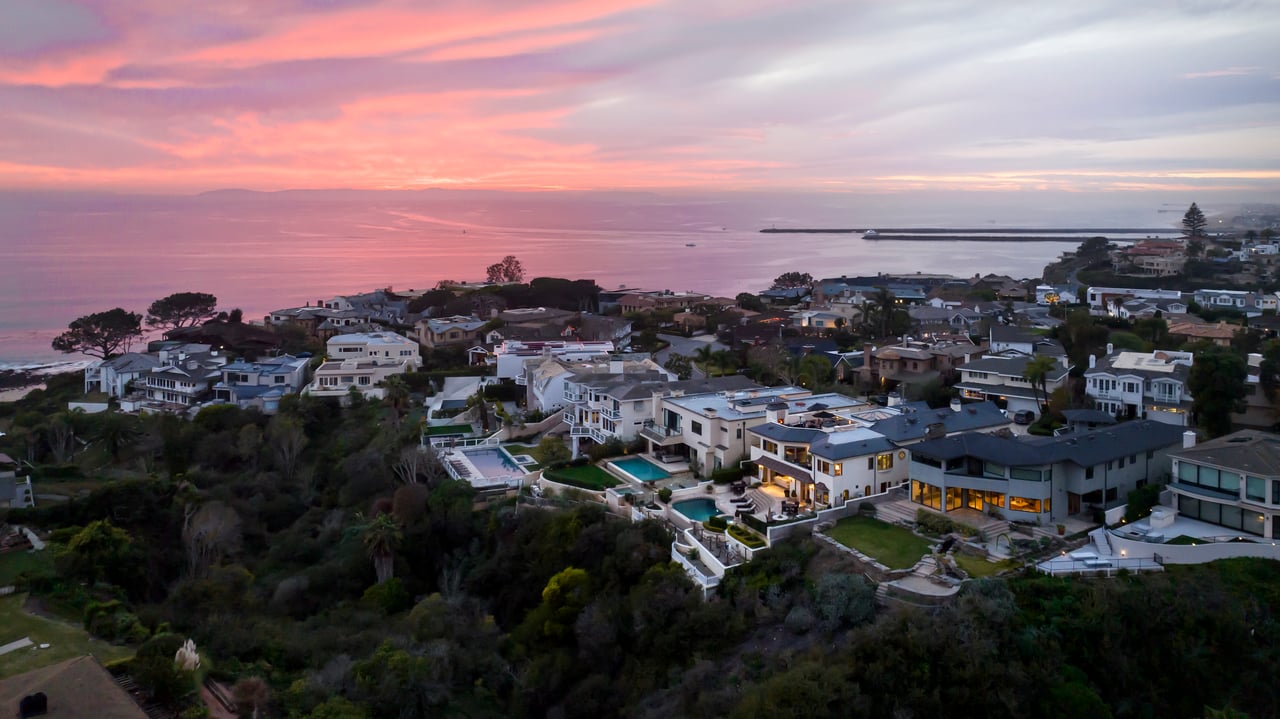
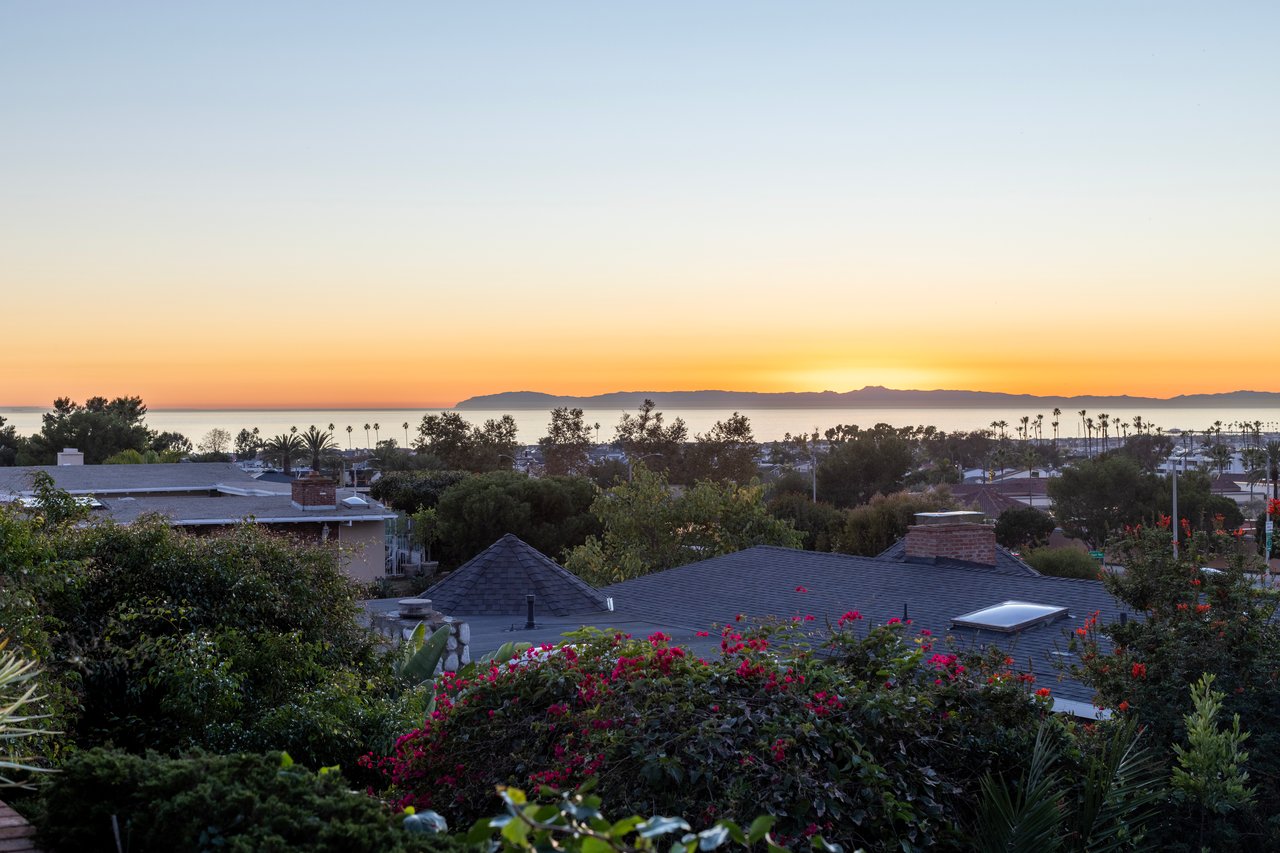
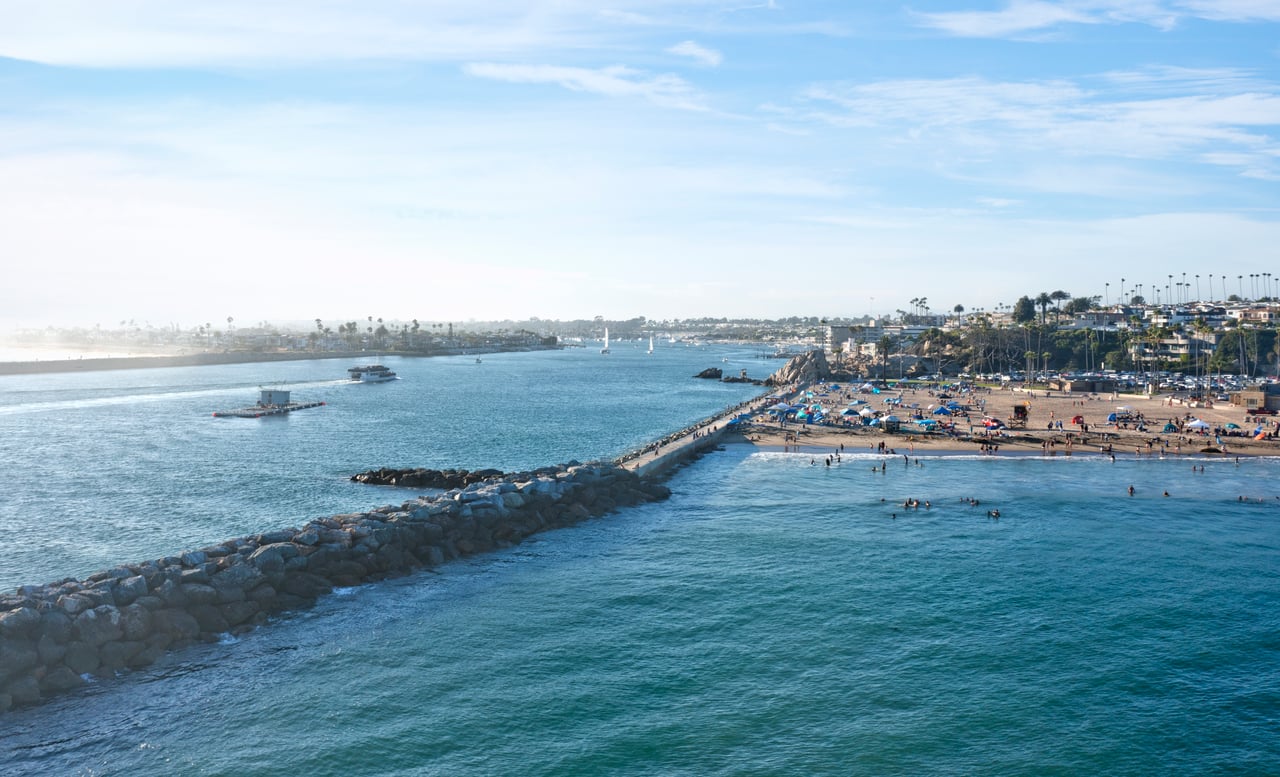
Corona del Mar has a distinct village-and-coast identity that appeals to buyers who want the Pacific to shape daily life. The city describes the Corona Del Mar Loop as a paved route through the flower-named streets with ocean views from Ocean Boulevard. The area also includes Corona del Mar State Beach, where the city notes amenities such as fire rings and beach-wheelchair access.
For many buyers, the appeal is simple. You are closer to sand, blufftop views, and the visual openness that makes oceanfront property feel dramatic and restorative at the same time. Corona del Mar also offers a compact setting with shopping and dining that many residents enjoy on foot.
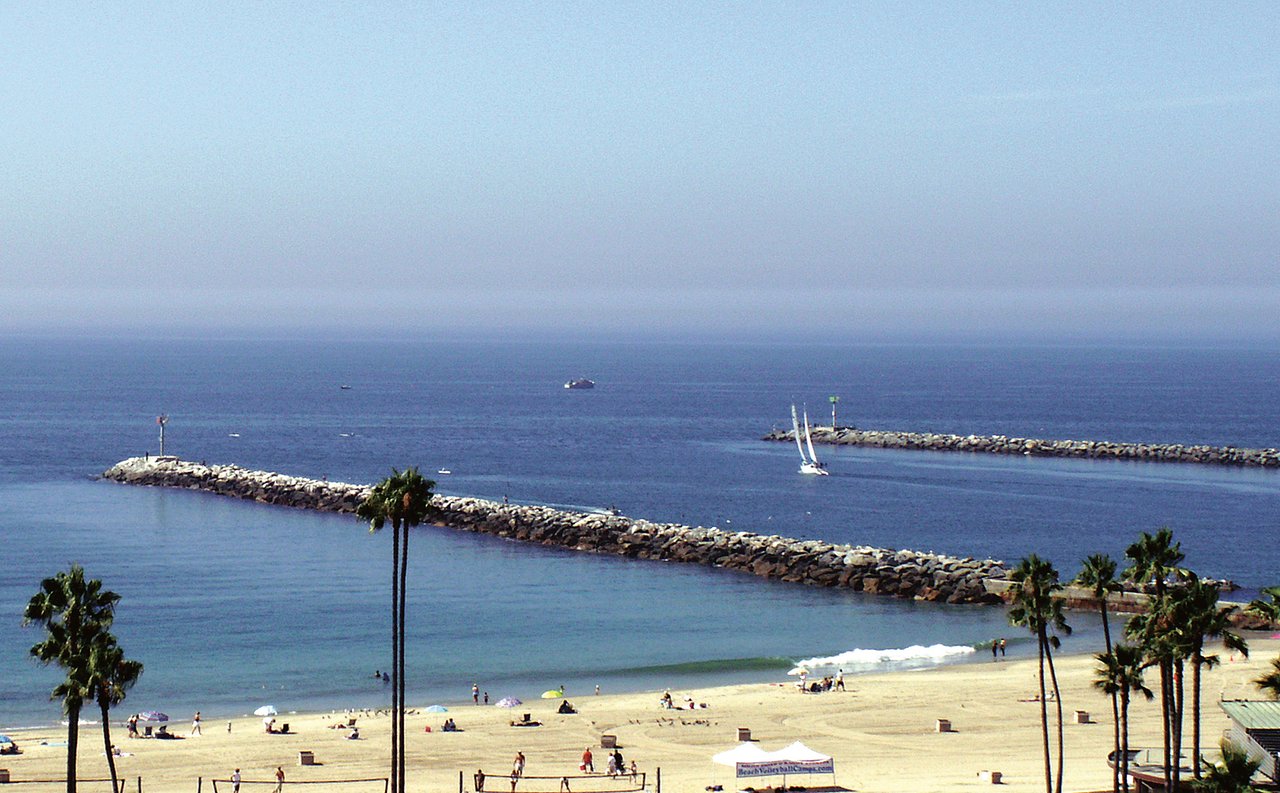
The beach lifestyle here is active and public-facing. Newport Beach beaches are open to the public from 6 a.m. to 10 p.m., and the city provides parking near beach areas. At Corona del Mar State Beach and near the Balboa Pier, fire rings and public barbecues are first-come, first-served, which adds to the lively coastal atmosphere.
What daily life can feel like
Oceanfront living often comes with more exposure to surf, wind, and salt air. Based on coastal construction guidance and the basic geography of the shoreline, that can mean more noise from the ocean, more moisture in the air, and more wear on exterior materials over time. If you love the energy of the coast, that may feel like part of the appeal rather than a drawback.
Corona del Mar also stands out for buyers who want beach recreation built into everyday life. Local beach information highlights typically gentle waves, swimming, volleyball courts, fire pits, and tidepool snorkeling at Little Corona. If your ideal morning starts with a shoreline walk and ends with sunset views, oceanfront may feel like the more natural fit.
Harbor Living Around Newport Harbor
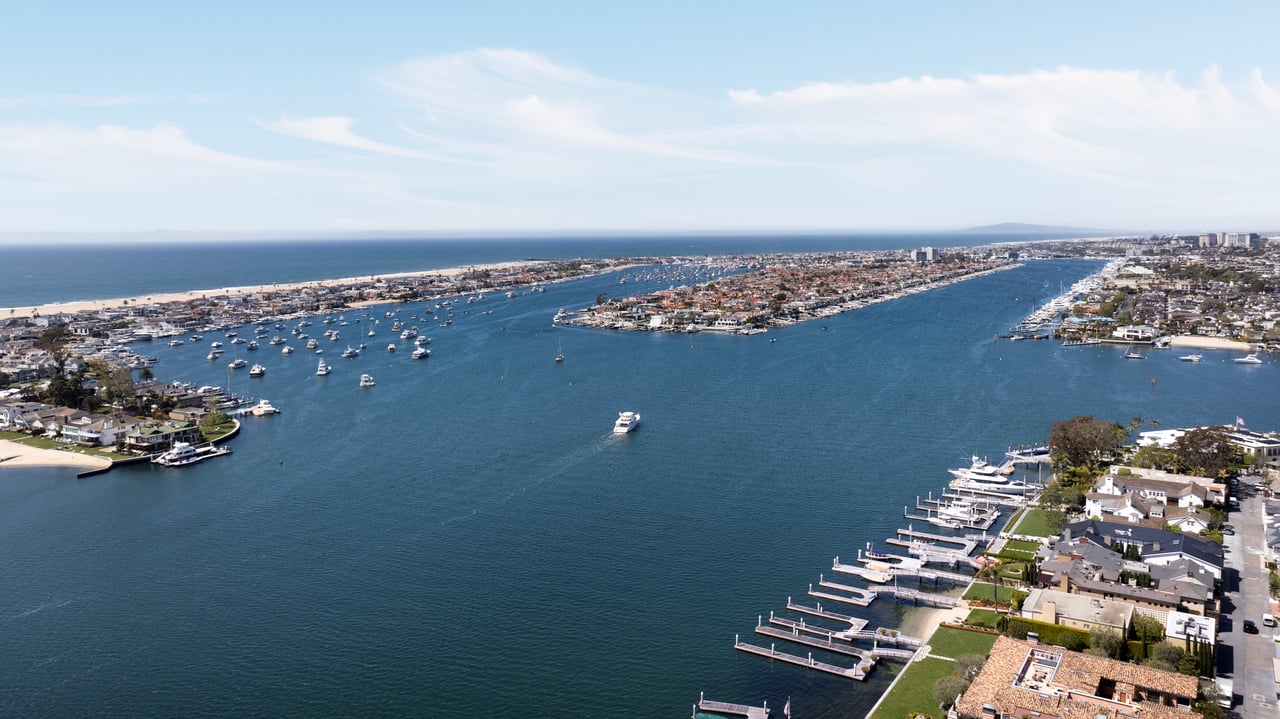
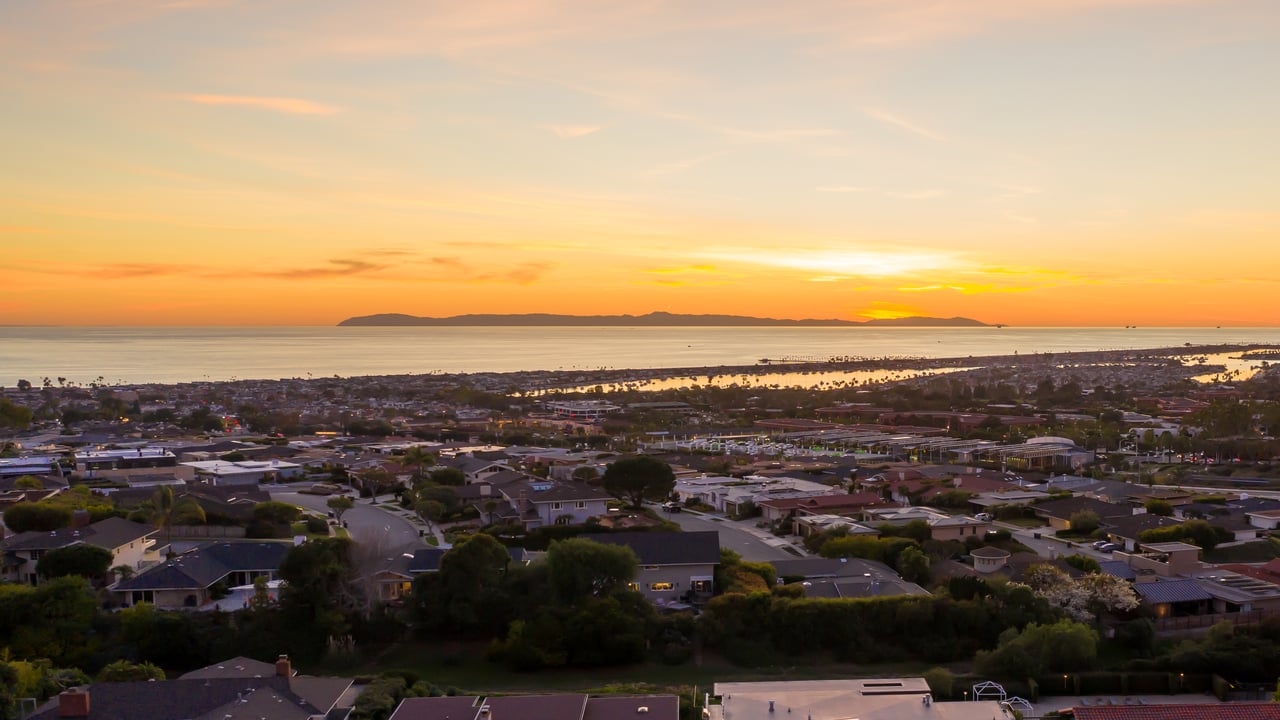
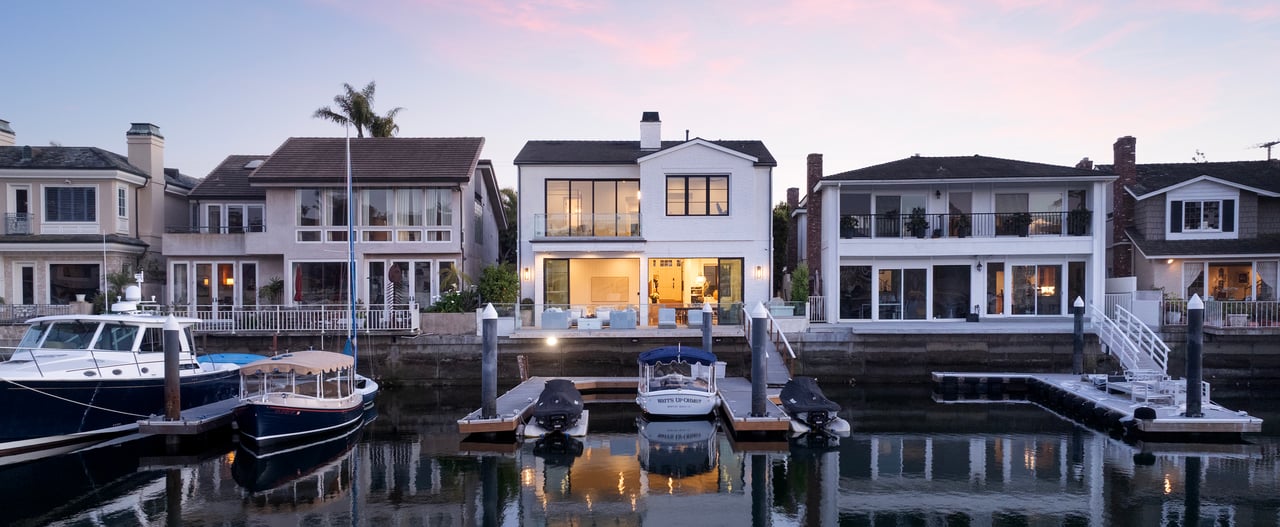
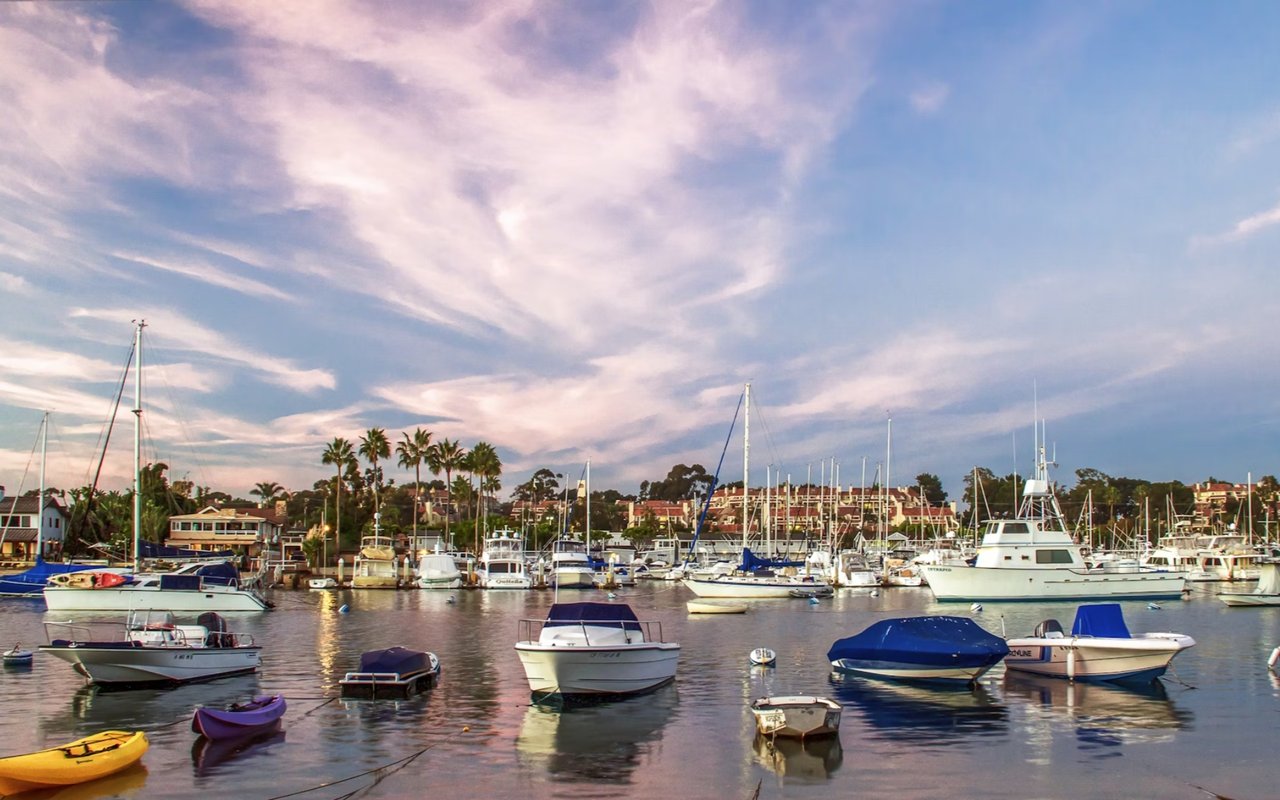
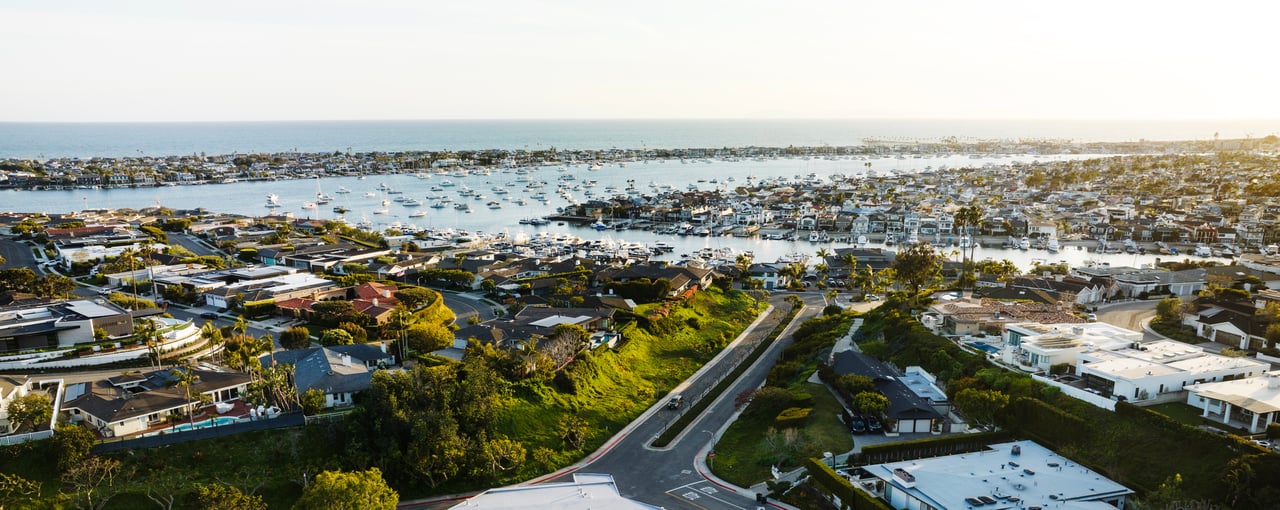
Newport Harbor offers a different kind of waterfront luxury. The city describes it as more than 3 miles long and one of the largest recreational harbors in the United States. The main channel runs among seven harbor islands and toward Lido Village, creating a setting that feels layered, active, and distinctly marine-oriented.
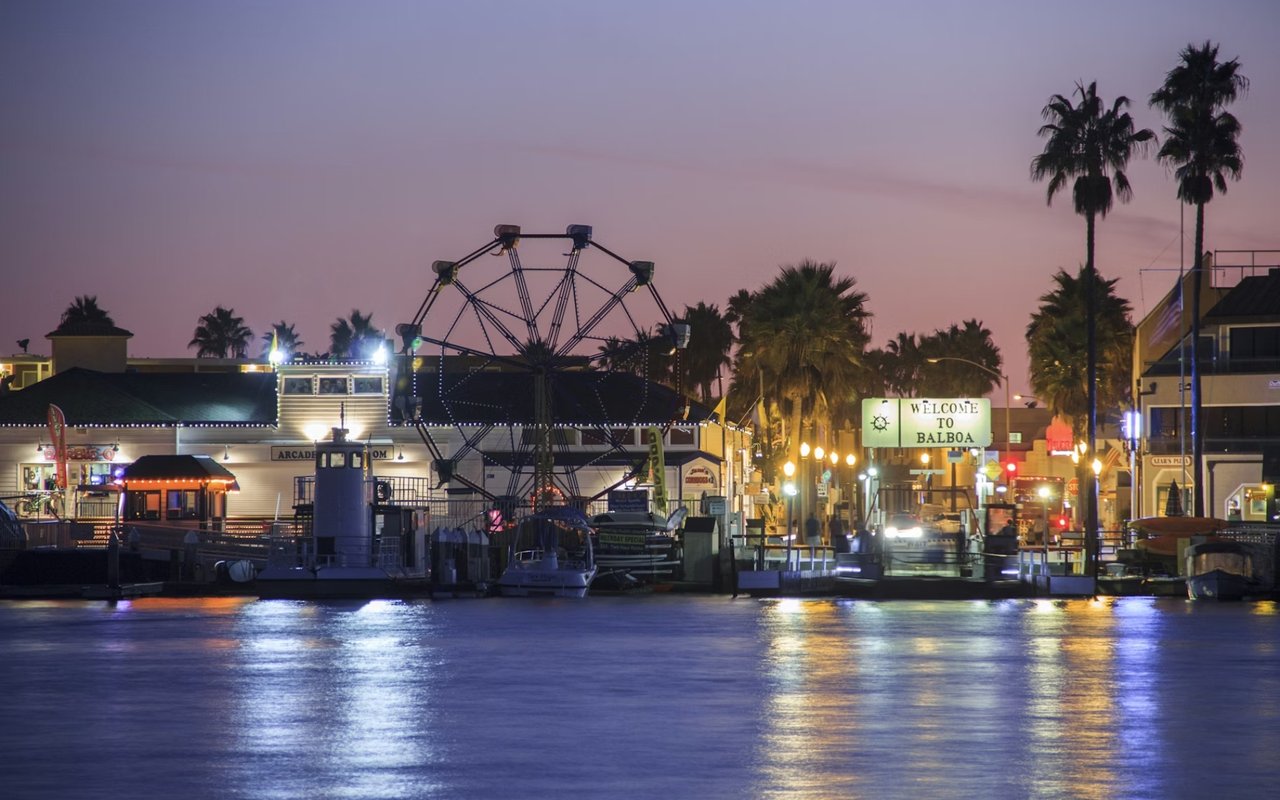
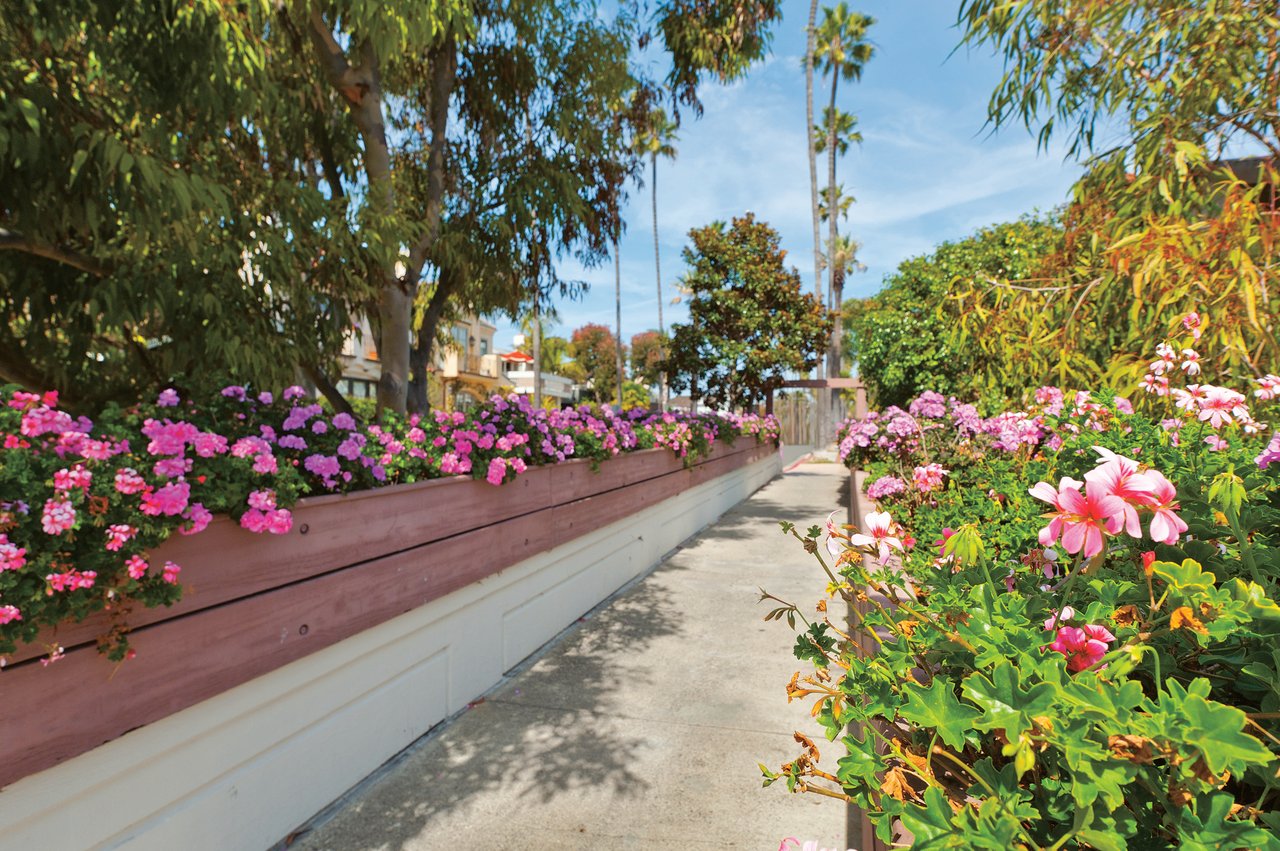
This is often the better match for buyers who picture life around a dock, a boat, or a protected-water view. Balboa Island can be reached by car, walk, bike, or ferry, and its 2.5-mile paved loop gives you harbor views throughout the walk. Lido Marina Village adds a waterside setting with strolling, shopping, dining, and limited dock-and-dine access.
Harbor living can feel calmer because the water is sheltered. That does not mean it is quiet in every sense. The harbor still has boating traffic, guest slips, and visitor activity, but the overall experience is usually less exposed than the open coastline.
What daily life can feel like
Newport Harbor operates with clear rules that shape the pace of the water. The city notes a no-wake zone, a 5 mph speed limit, and a no-discharge rule. For buyers who love boating, these details matter because they support a more controlled and navigable waterfront environment.
Walkability can be a major advantage in harbor enclaves. Balboa Island is especially friendly to walking and biking, while Lido is built around a stroll-oriented village feel. The trade-off is that parking can be difficult at times, which often comes with highly walkable coastal settings.
Comparing Light, Sound, and Privacy
The most important differences between these lifestyles are often not visible on a listing sheet. They show up in how a home feels at 7 a.m., at sunset, or on a busy weekend.
Oceanfront homes usually feel more open and more exposed. You may have stronger wind, more direct salt spray, and more public activity nearby because beaches and shoreline amenities are shared spaces. For some buyers, that openness is exactly what makes the property special.
Harbor homes usually feel more tucked into the landscape. The water is sheltered, and some streets can feel more residential in character. At the same time, a harbor address may still place you near ferries, boating routes, dock traffic, or dining destinations, so privacy depends heavily on the exact location.
Walkability and Lifestyle Fit
If you want a home that supports an easy car-light routine, both settings offer strong options, but in different ways. Corona del Mar blends village shopping and dining with nearby beach access, which creates a balanced everyday pattern. You can move between neighborhood streets, local businesses, and the coast without needing to travel far.
Harbor-oriented neighborhoods each have their own rhythm. Balboa Island offers a classic harbor loop and easy access by several modes of travel, while Lido leans into waterfront strolling and dining. If your ideal day includes a harbor walk, coffee, and time on or near a boat, those areas may feel especially compelling.
Ownership and Maintenance Differences
Lifestyle is only part of the decision. Waterfront ownership also comes with practical realities, and those differ meaningfully between oceanfront and harbor properties.
Oceanfront ownership considerations
Oceanfront homes in Newport Beach may involve coastal permitting that goes beyond a typical home project. California states that development in the coastal zone generally cannot begin until a coastal development permit is issued. Newport Beach also notes that its local coastal program still exempts many single-unit projects, except for the first row of shoreline lots and Bay Shores, and the city has a separate oceanfront encroachment permit process for certain patios, decks, walls, and fences.
Maintenance is another key factor. Coastal construction guidance notes that salt spray and moisture can contribute to corrosion and decay in building materials, especially metal connectors and fasteners. In practical terms, oceanfront ownership often means paying close attention to material durability and ongoing exterior upkeep.
Harbor ownership considerations
Harbor properties often bring a different layer of complexity. If a property includes a dock or pier, Newport Beach requires permit transfers at close of escrow for pier permits, requires approved backflow devices on piers and docks, and may require Harbor Commission approval. Those details can be highly important if your purchase decision is tied to boating access.
The harbor itself also requires periodic dredging of federal channels to maintain safe navigation. That does not change the appeal of harbor living, but it does highlight that this lifestyle comes with infrastructure, regulation, and waterfront systems that deserve careful review during a purchase.
Budget and Resale Perspective
Newport Beach sits in an ultra-luxury price range before you even narrow the search to waterfront homes. As of May 31, 2026, Zillow reported typical home values of $3,687,121 in Newport Beach and $4,233,498 in Corona del Mar. Redfin reported a three-month Newport Beach median sale price of $3,617,835.
These figures are not oceanfront-only or harborfront-only benchmarks, but they help frame the starting point. From there, waterfront premiums can rise based on dock rights, beach access, lot size, view corridors, privacy, and overall condition. In many cases, the exact micro-location matters more than the broad category of oceanfront or harborfront.
The city also notes that a clean harbor can improve water quality, reduce maintenance costs, and support increased waterside property values and economic development. That is one reason harbor-specific positioning can matter over time. On the ocean side, unobstructed views and direct access often drive value in a different way.
Which Newport Beach Lifestyle Fits You?
If you are trying to decide between these two settings, a few questions can quickly clarify the better match:
- Do you want your day shaped more by the beach or by boating?
- How much public activity feels comfortable near your home?
- Are you buying a primary residence or a second home?
- How much maintenance and permitting complexity are you willing to take on?
- Is walkability more important for dining and village life, or for harbor access and waterfront strolling?
If your answer is beach-first, Corona del Mar may offer the stronger fit. If your answer is boat-first, Newport Harbor, Balboa Island, or Lido may align more naturally with how you want to live.
The best waterfront purchase is rarely about choosing the more famous label. It is about choosing the setting that matches your habits, priorities, and tolerance for the realities that come with coastal ownership.
In Newport Beach, that level of fit often comes down to block-by-block judgment, not broad assumptions. If you want clear guidance on how a specific oceanfront or harbor property compares in real life, VALIA Properties brings a design-aware, hyperlocal perspective to every step of the search.
FAQs
What is the difference between oceanfront and harbor living in Newport Beach?
- Oceanfront living is typically more connected to beach access, open views, surf, wind, and public shoreline activity, while harbor living is usually more sheltered and often better suited to boating and dock-oriented lifestyles.
Is Corona del Mar a good fit for beach-focused buyers in Newport Beach?
- Corona del Mar is often a strong fit if you want ocean views, beach amenities, a village setting, and a daily lifestyle centered more on the shoreline than on boating.
What should buyers know about Newport Harbor properties with docks or piers?
- Buyers should know that dock and pier ownership can involve permit transfers at close of escrow, approved backflow devices, and in some cases Harbor Commission approval.
Are harbor homes quieter than oceanfront homes in Newport Beach?
- Harbor homes often feel calmer because the water is sheltered, though the experience still depends on the exact location, boating traffic, nearby visitor activity, and street setting.
Do oceanfront homes in Newport Beach require more maintenance?
- Oceanfront homes can face greater exposure to salt spray and moisture, which coastal construction guidance associates with corrosion and material decay, especially in metal connectors and fasteners.
How expensive is waterfront living in Newport Beach?
- Newport Beach and Corona del Mar already sit at an ultra-luxury price level based on recent typical values and median sale price data, and waterfront premiums can increase further based on views, access, dock rights, lot size, privacy, and condition.