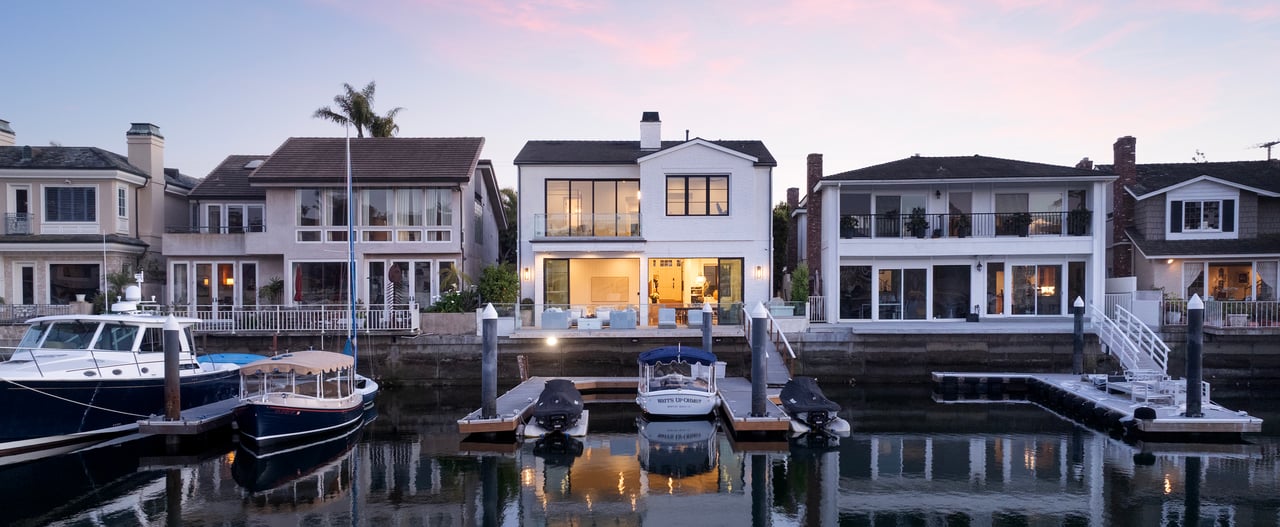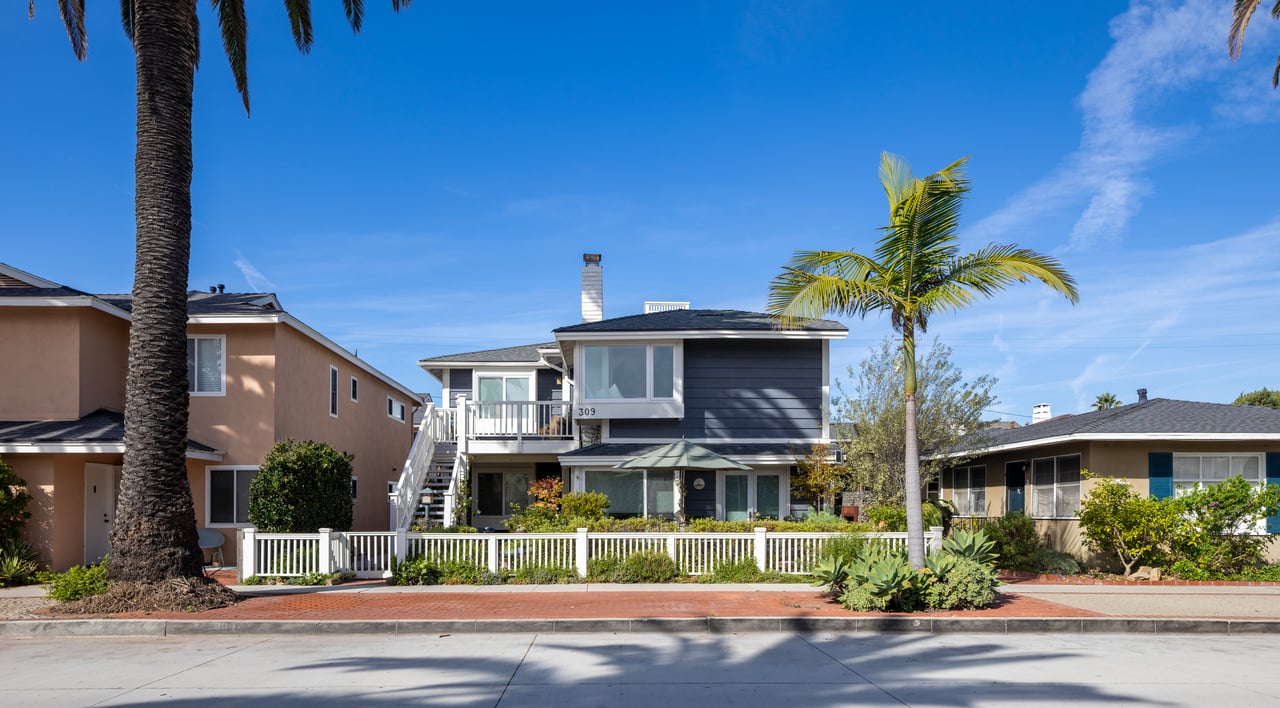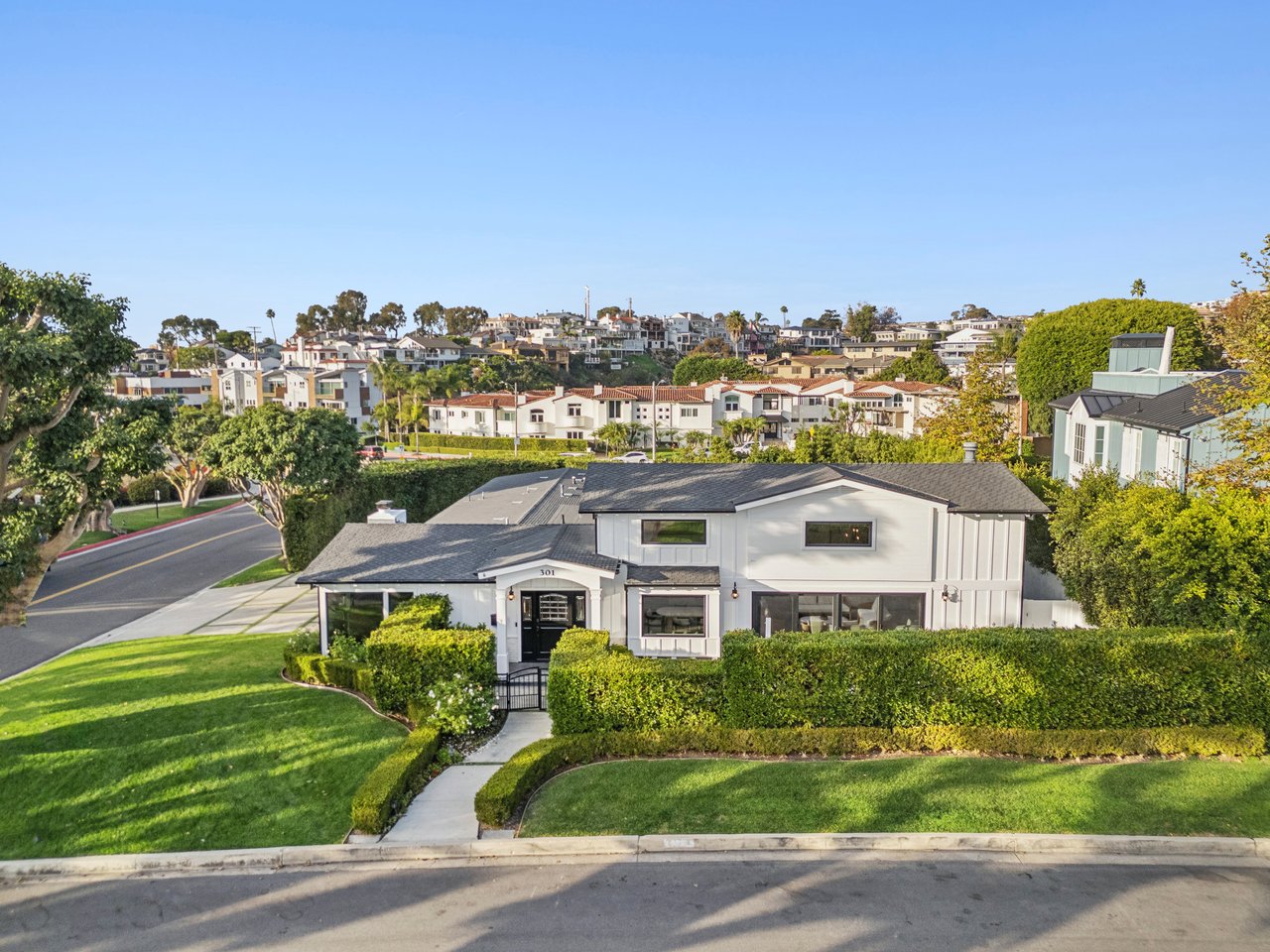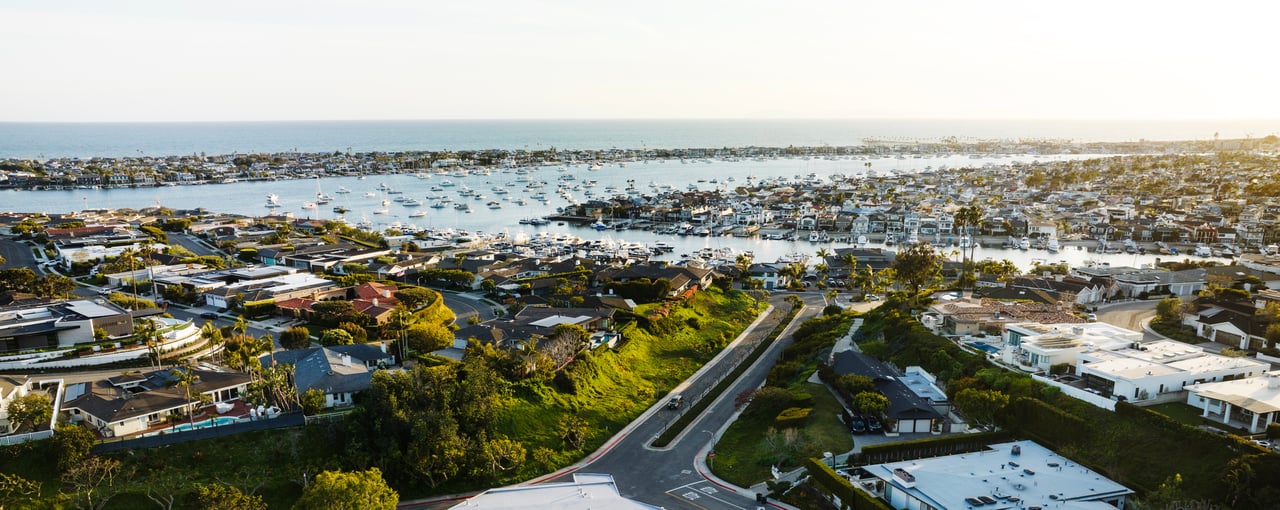
Buyers touring Corona del Mar tend to draw a mental line at Pacific Coast Highway. Ocean side is where the money goes. Inland is where the money settles. That line is real, and it is also, in one specific corner of the market, misleading.
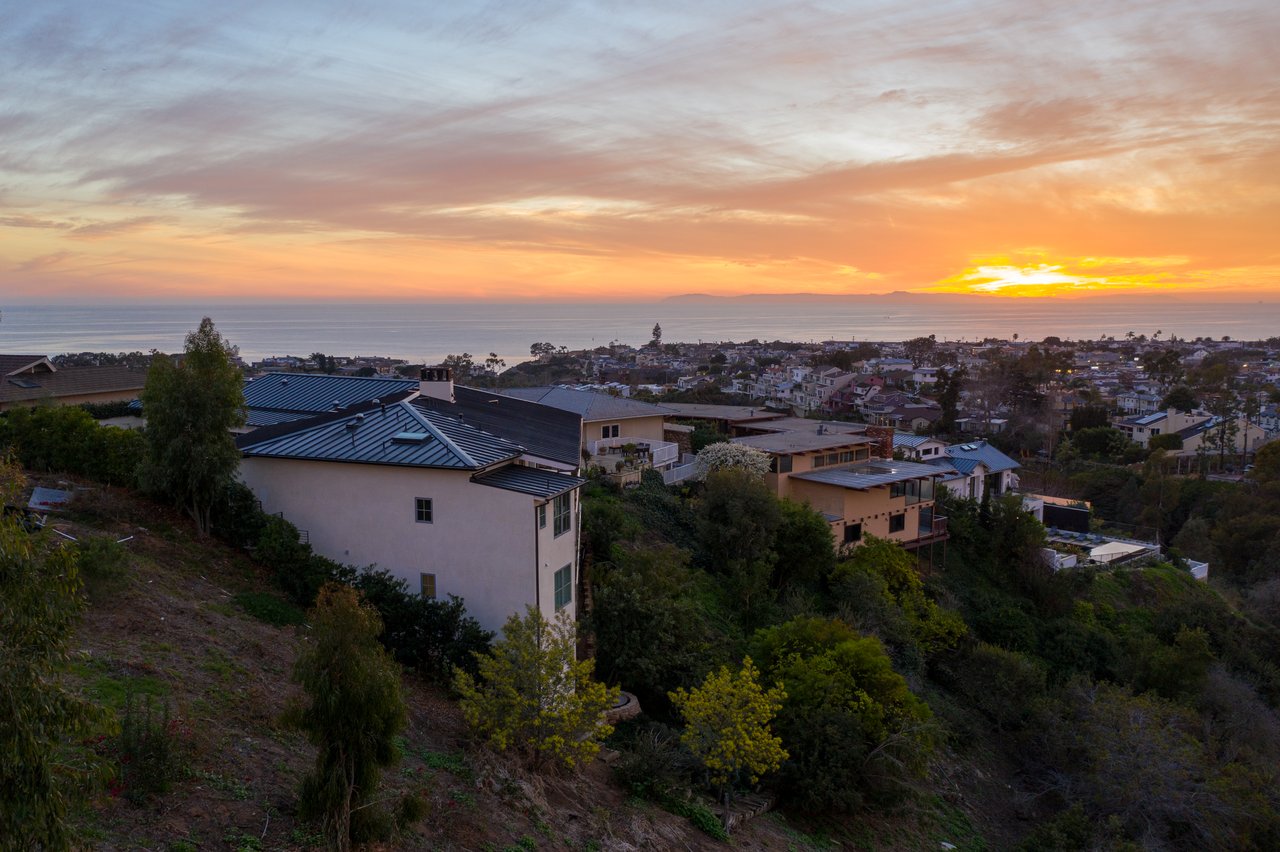
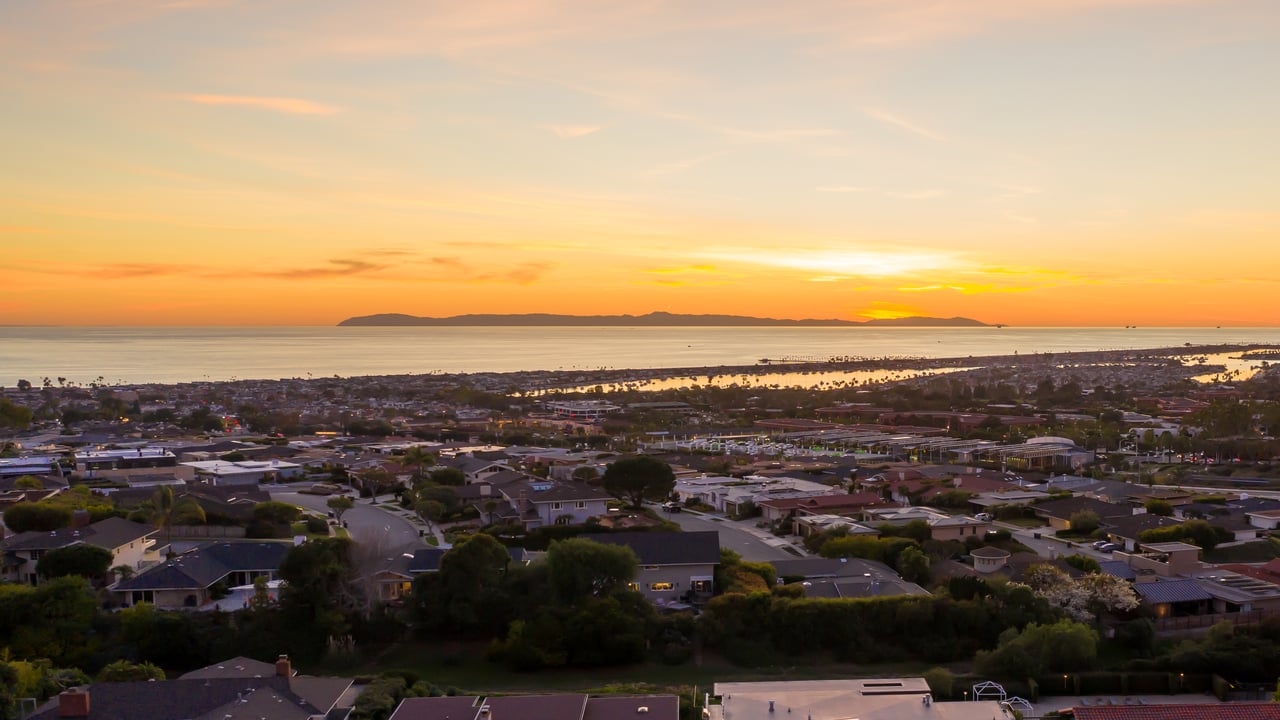
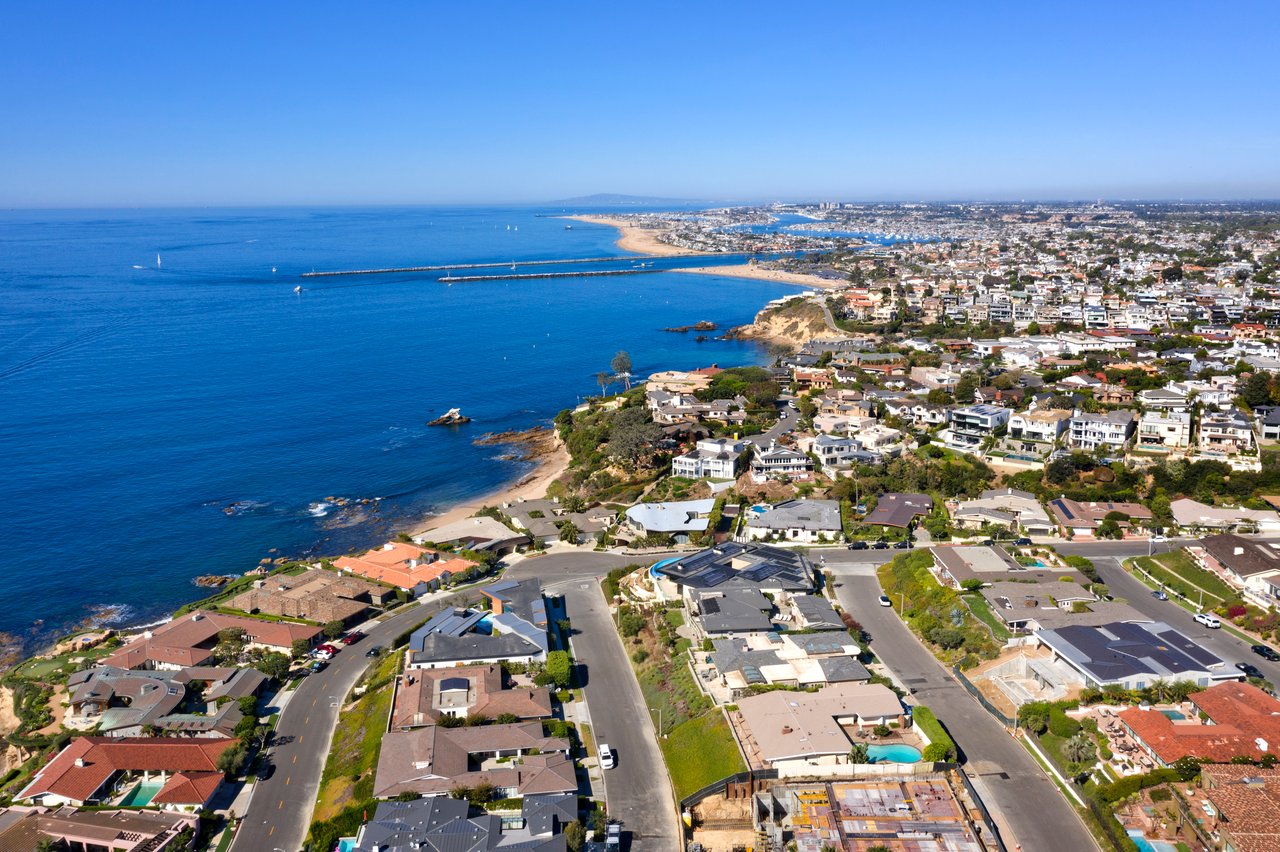
Cameo Highlands sits on the inland side of PCH. Cameo Shores sits on the ocean side. The two neighborhoods share a homeowners association, a set of CC&Rs, and, most consequentially, a set of keys to the same three gated beaches at the base of the bluff. A Highlands buyer and a Shores buyer walk through the same locked gate, down the same trail, onto the same sand. Only one of them paid for the view.
The key that crosses PCH
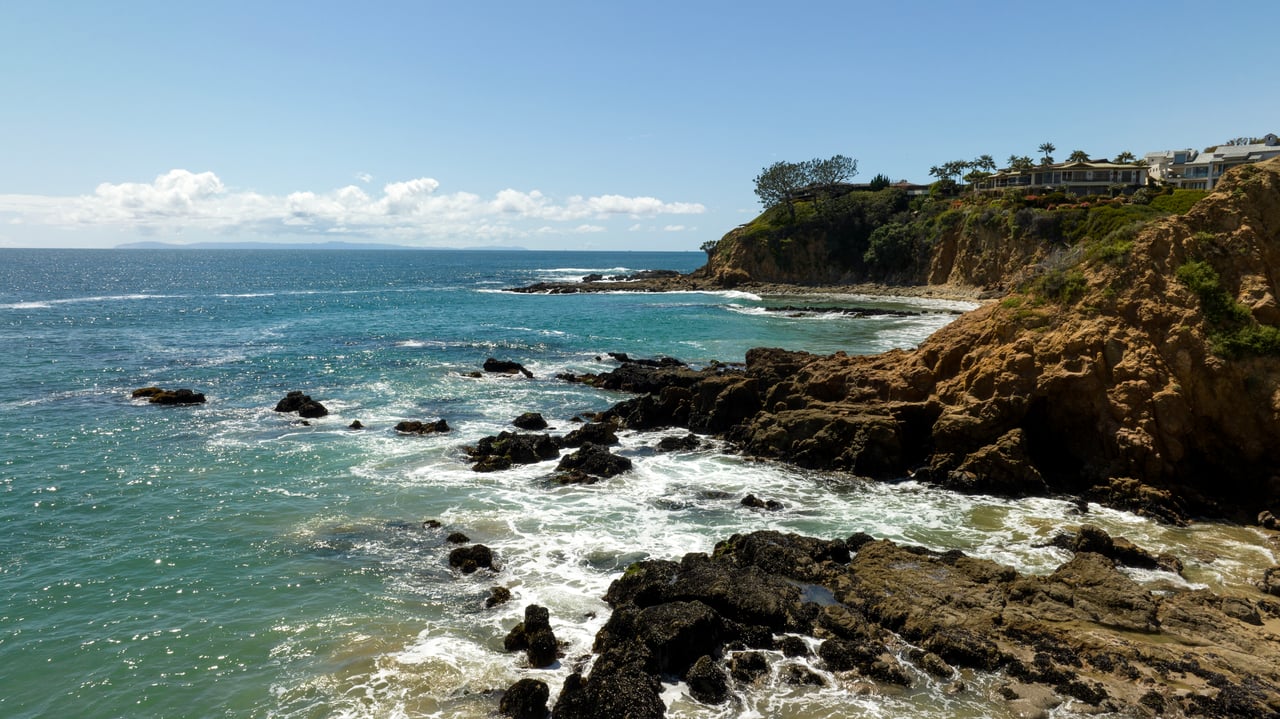
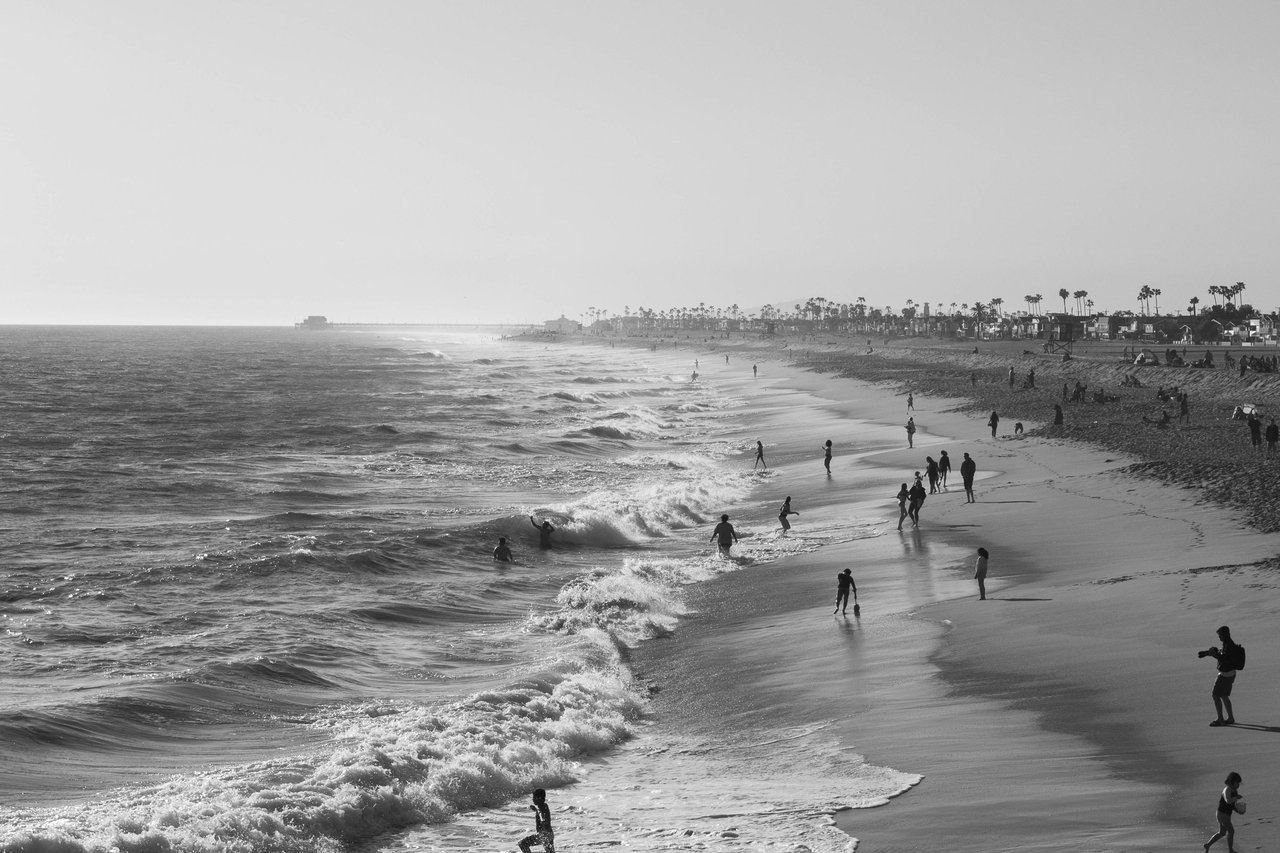
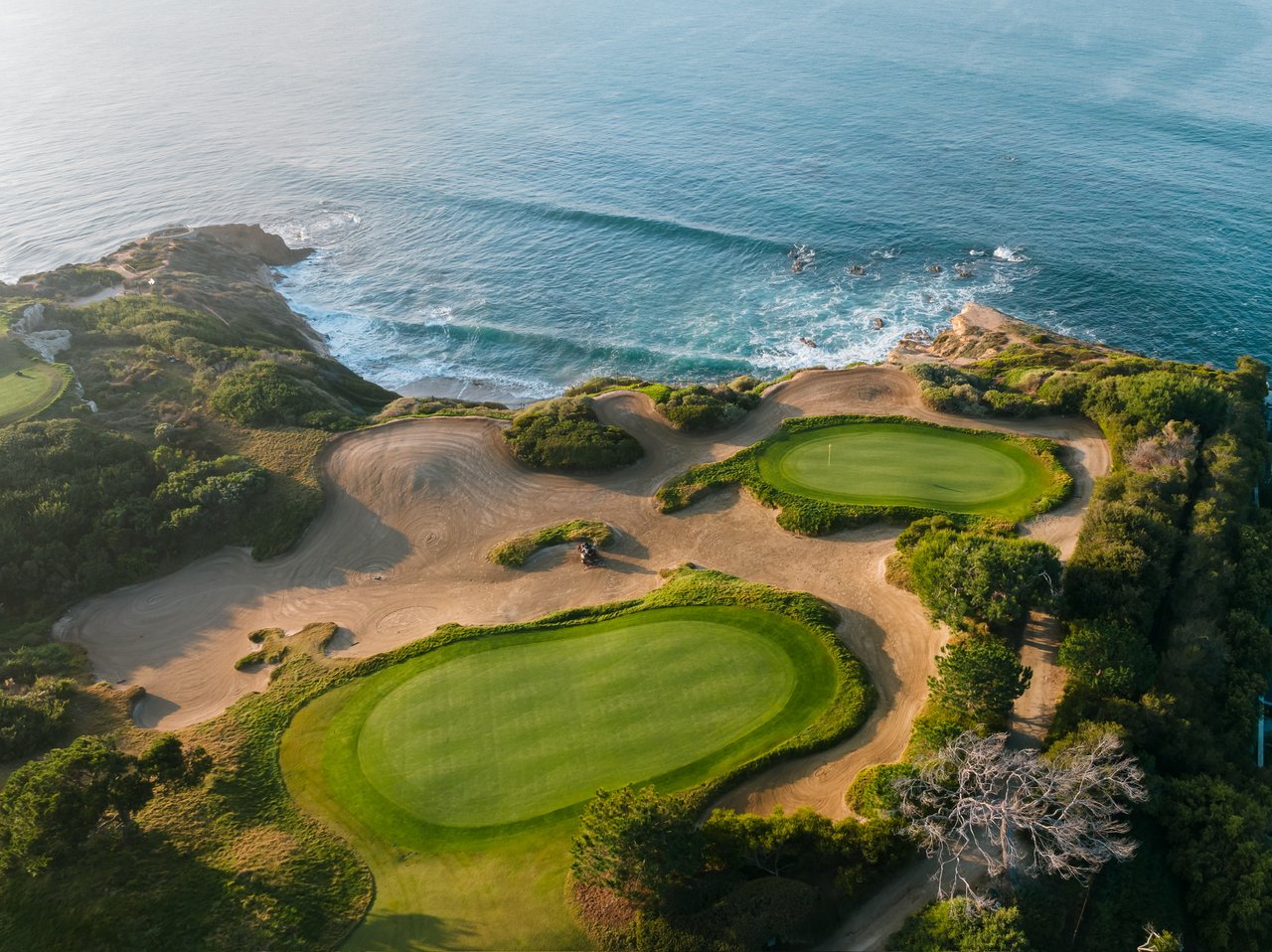
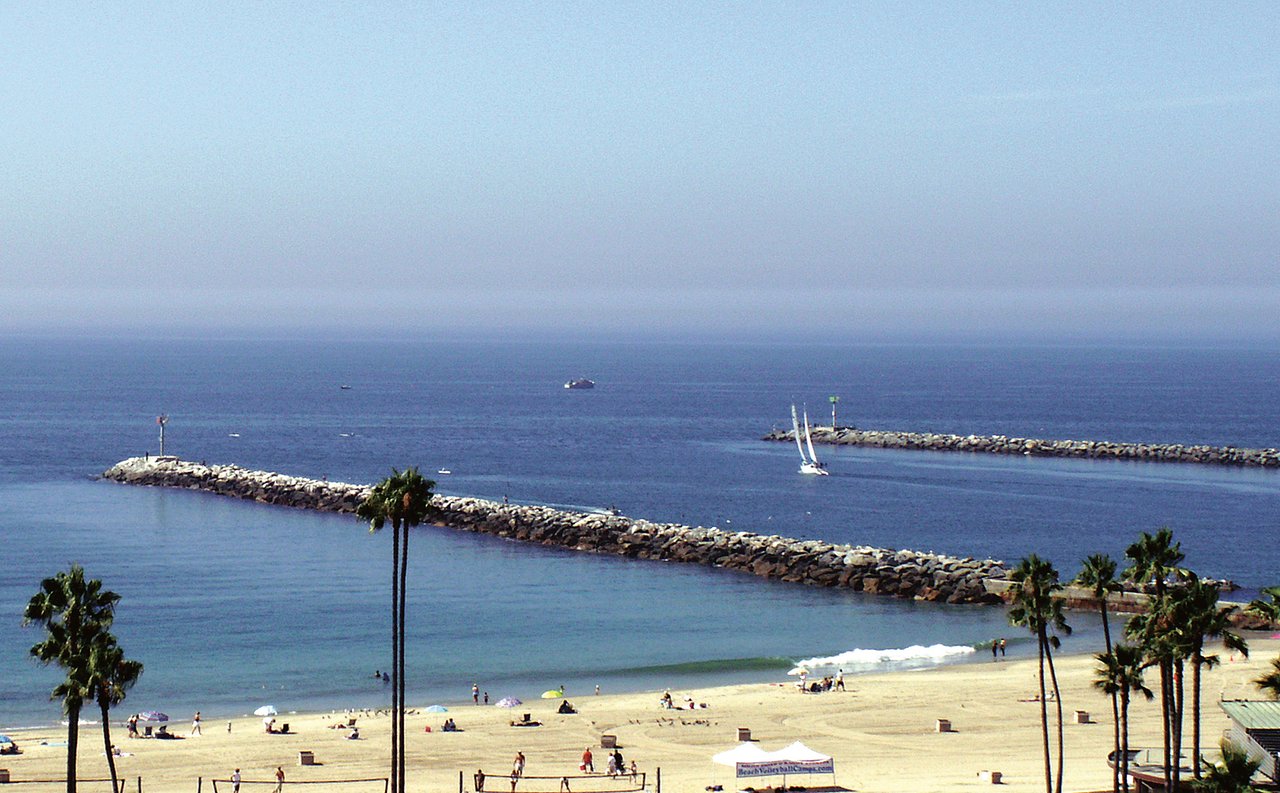
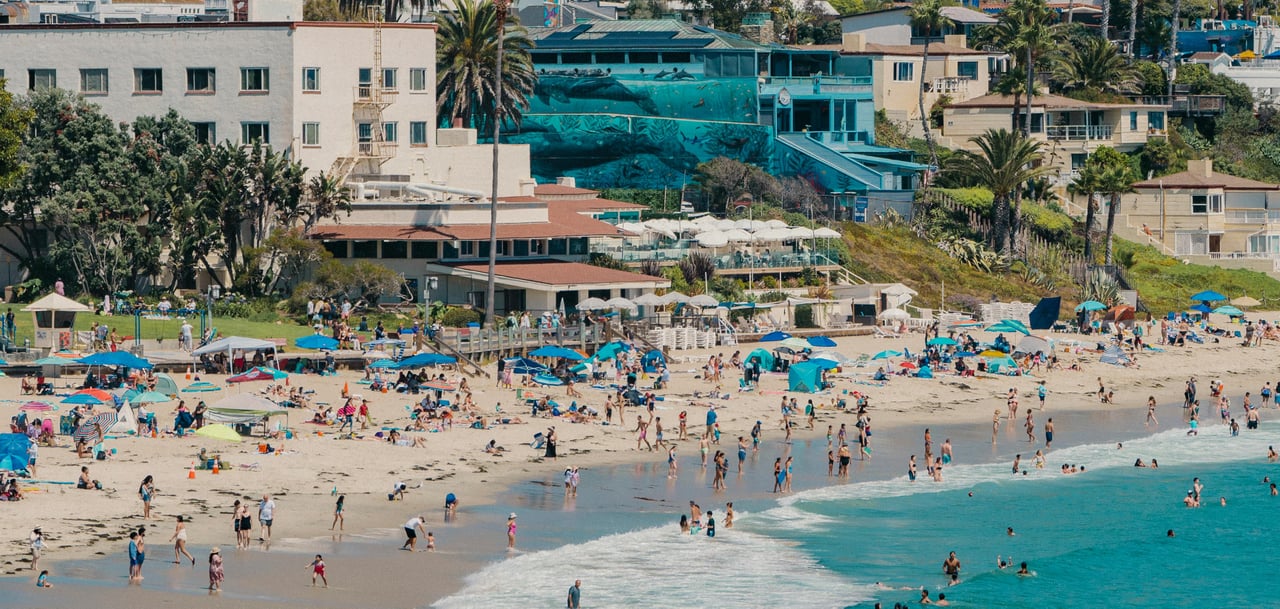
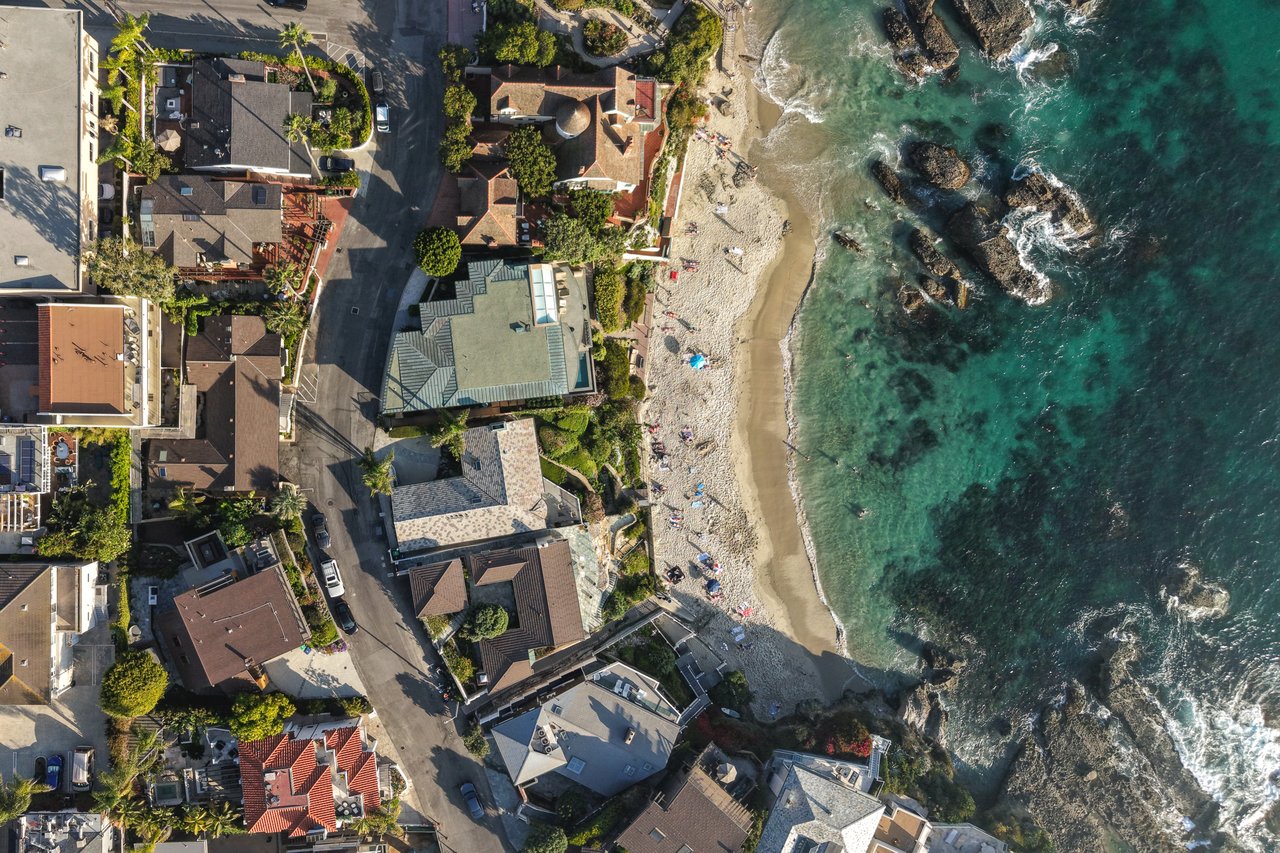
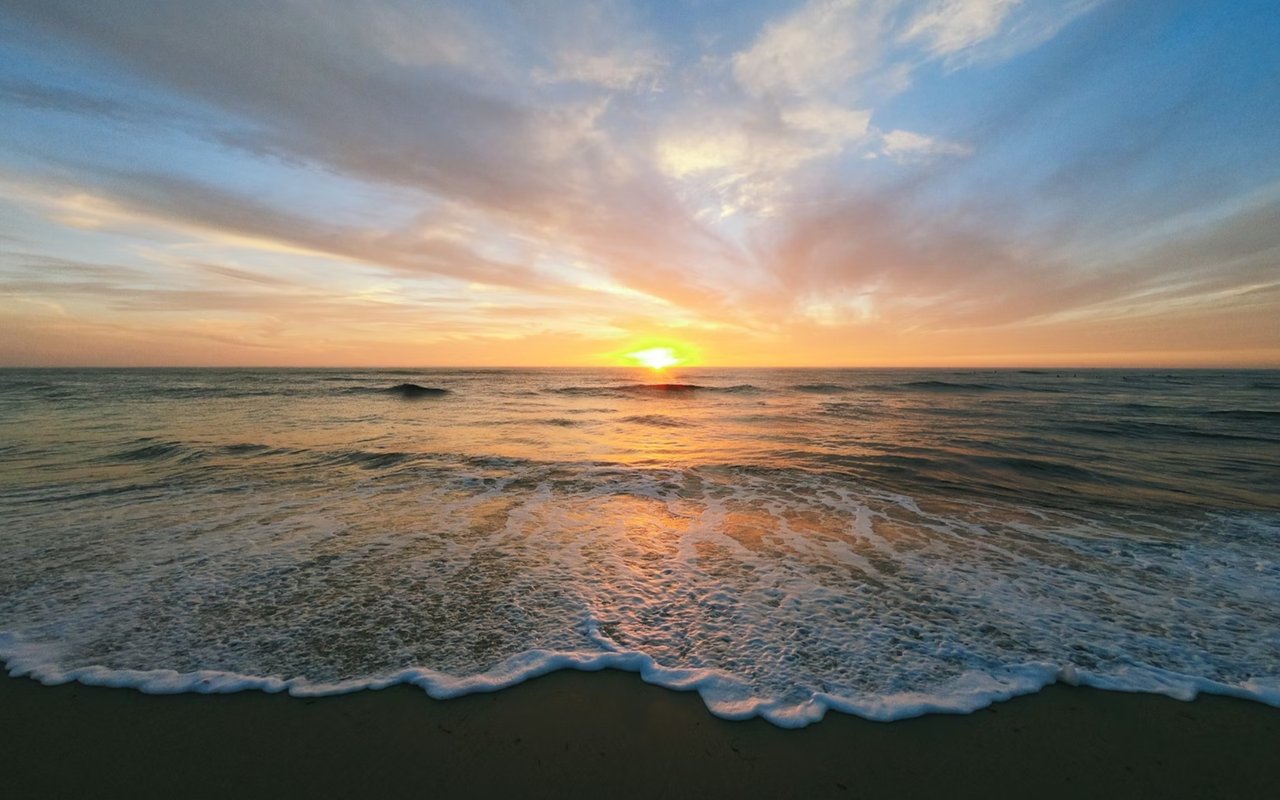
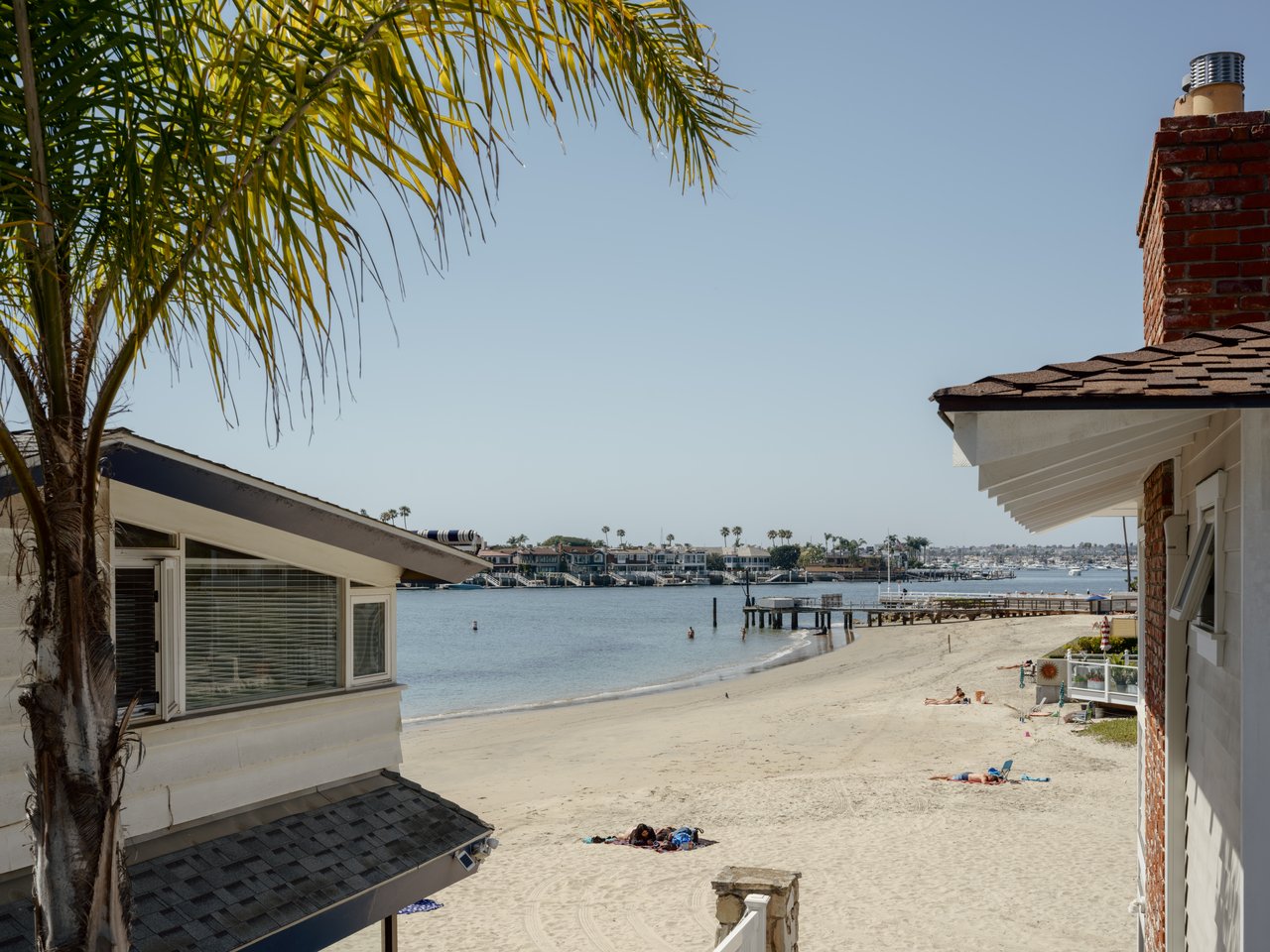
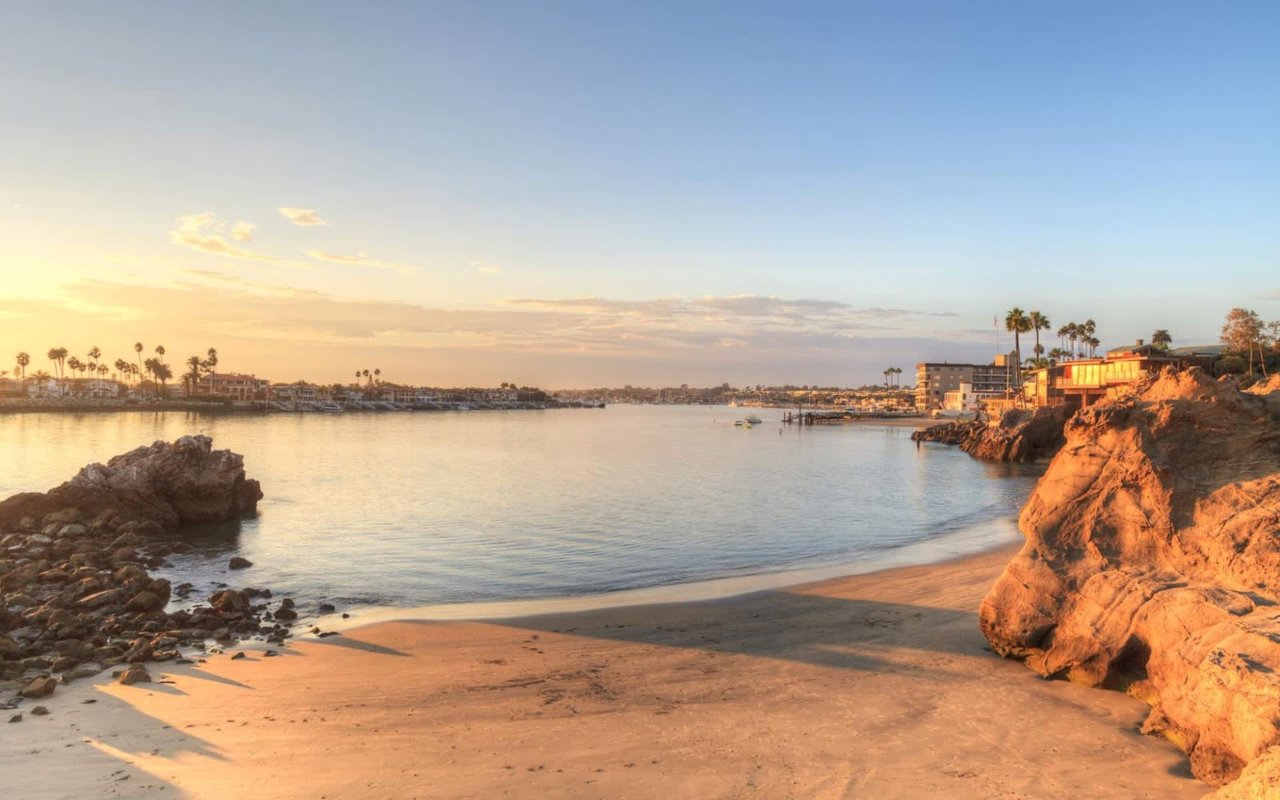
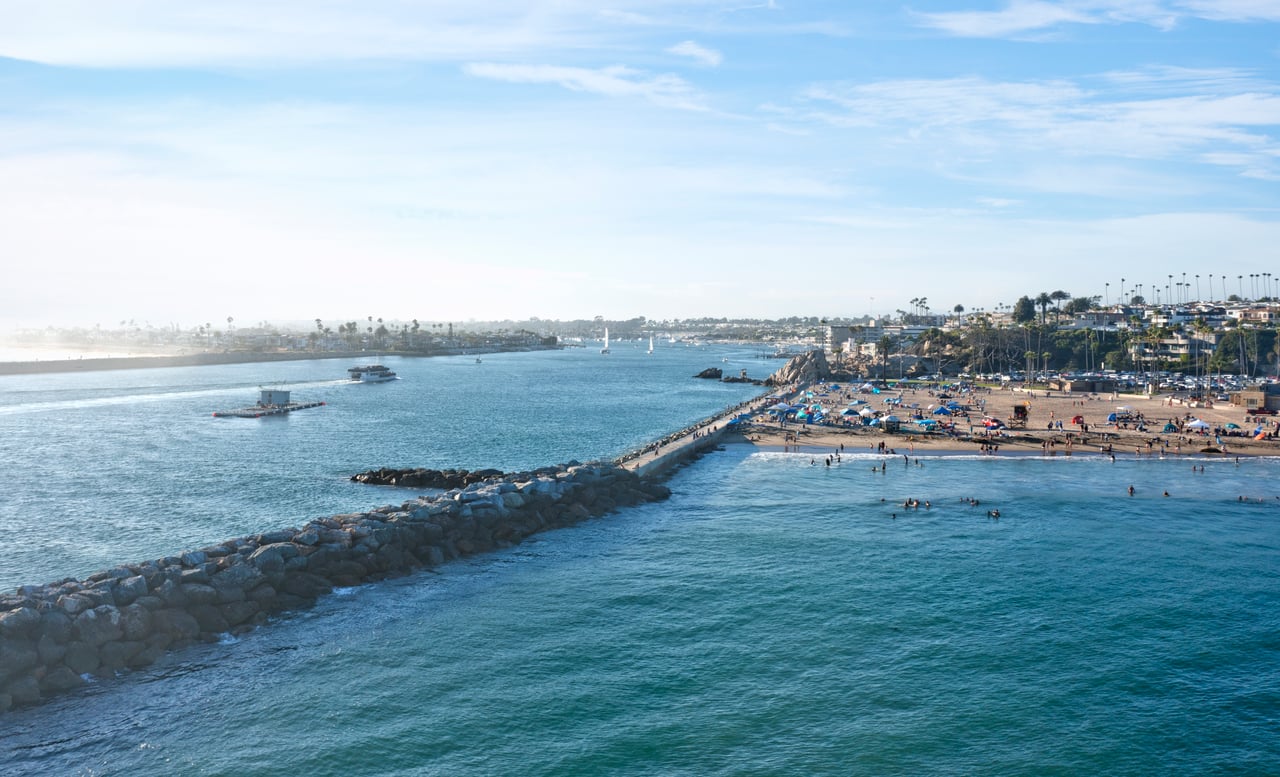
The private-beach mechanism is the piece that outsiders miss. Residents of the combined Cameo community have access to four stunning private beaches, and that access includes the use of beach trails through the Pelican Hill Golf Course. There are two private entrances which require a key to access, and both Cameo Shores and Cameo Highlands have access to their private beach. A resident of Cameo Highlands enjoys private access to the exclusive Cameo Shores Beach, a secluded stretch of coastline for residents only.
Read that sequence again. The beach is called Cameo Shores Beach. The key sits in Cameo Highlands drawers too. The HOA does not distinguish between a household whose living room looks at the Pacific and a household whose living room looks at a neighbor's stucco wall. Shoreline privilege is a flat entitlement, and it is one of the more valuable entitlements in coastal Orange County.
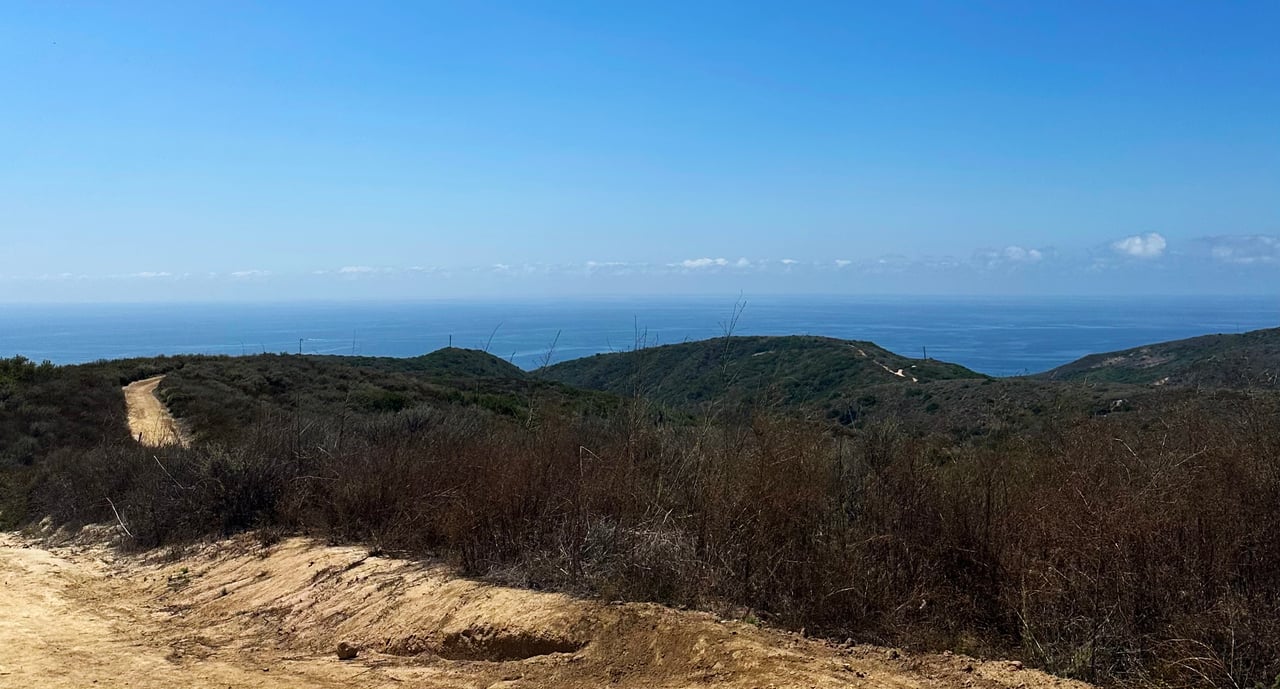
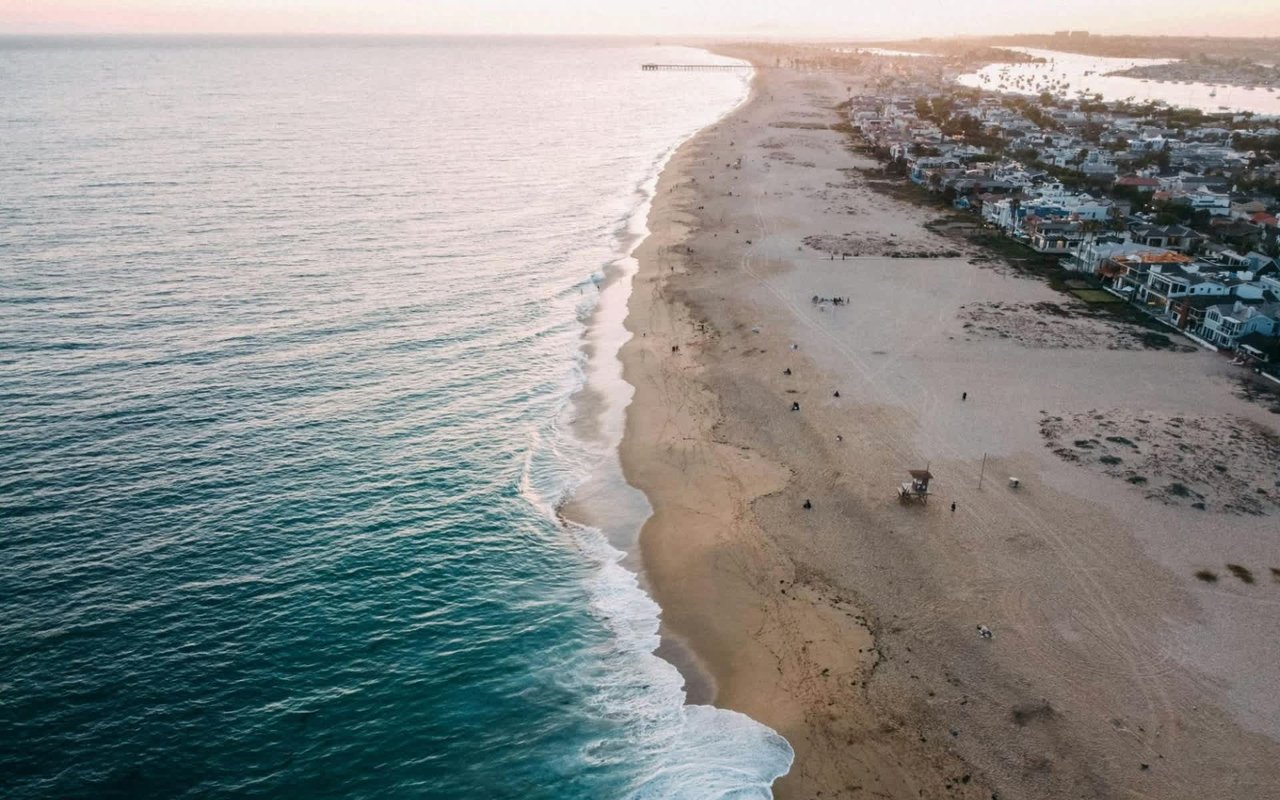
The trail network reinforces the point. Cameo residents have gated access to the ocean bluff trails to Crystal Cove State Beach, with three separate beach access points in the community. A Highlands owner walks the same bluff, at the same golden hour, as the owner three streets down the tier.
What the price gap actually pays for
Once the beach key is removed from the equation, the delta between the two enclaves resolves into three things: elevation, view corridor, and lot geometry. That is what the price is buying. Not access. Not community. Not proximity to the Village. Those are shared.
A quick read on where the numbers sit in mid-2026:
- Combined Cameo submarket, three months ending February 2026: median sale price of $8.1M, up 32.0% year over year, with median price per square foot at $2,330, up 34.5%.
- Cameo Shores oceanfront ceiling: non-frontage homes typically trade between $5M and $7M, while oceanfront estates frequently exceed $10M to $15M and above.
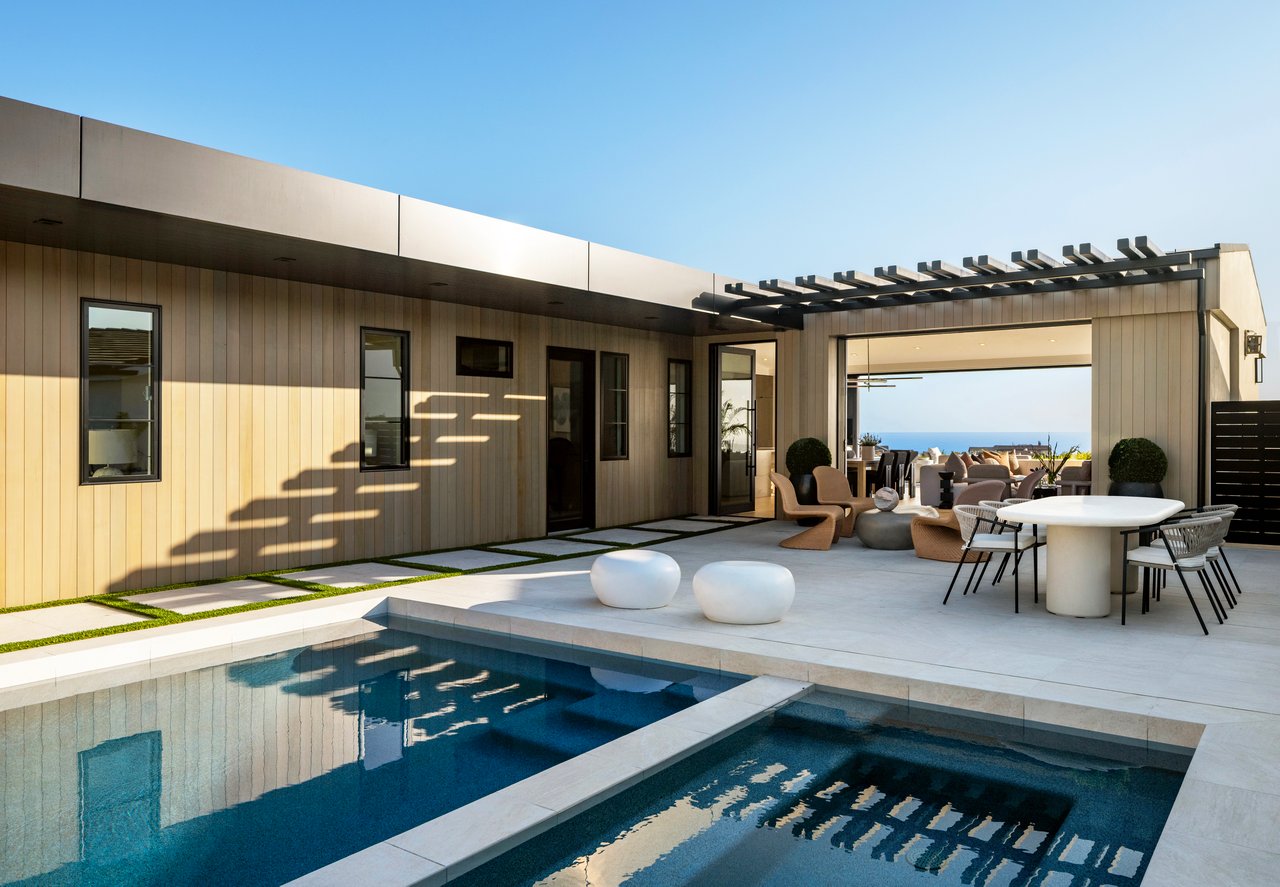
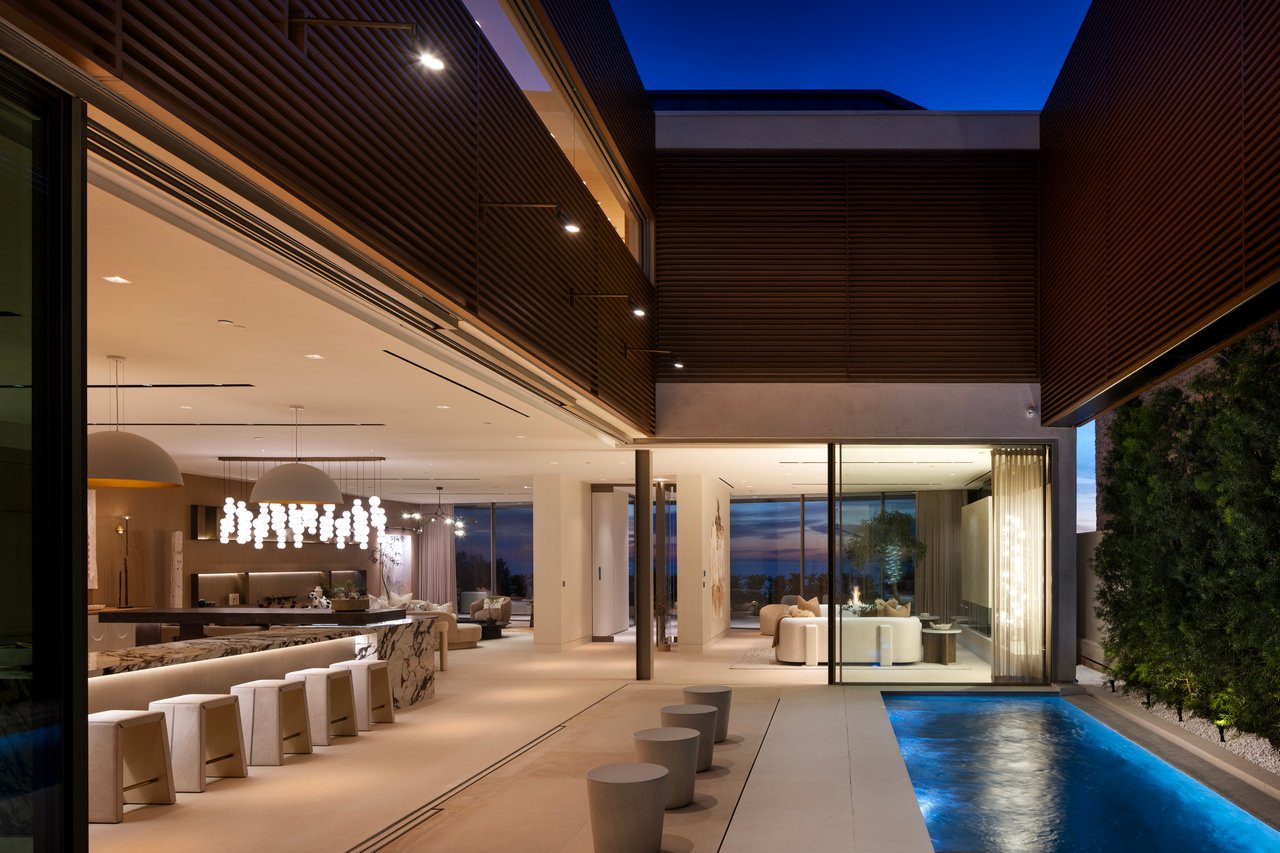
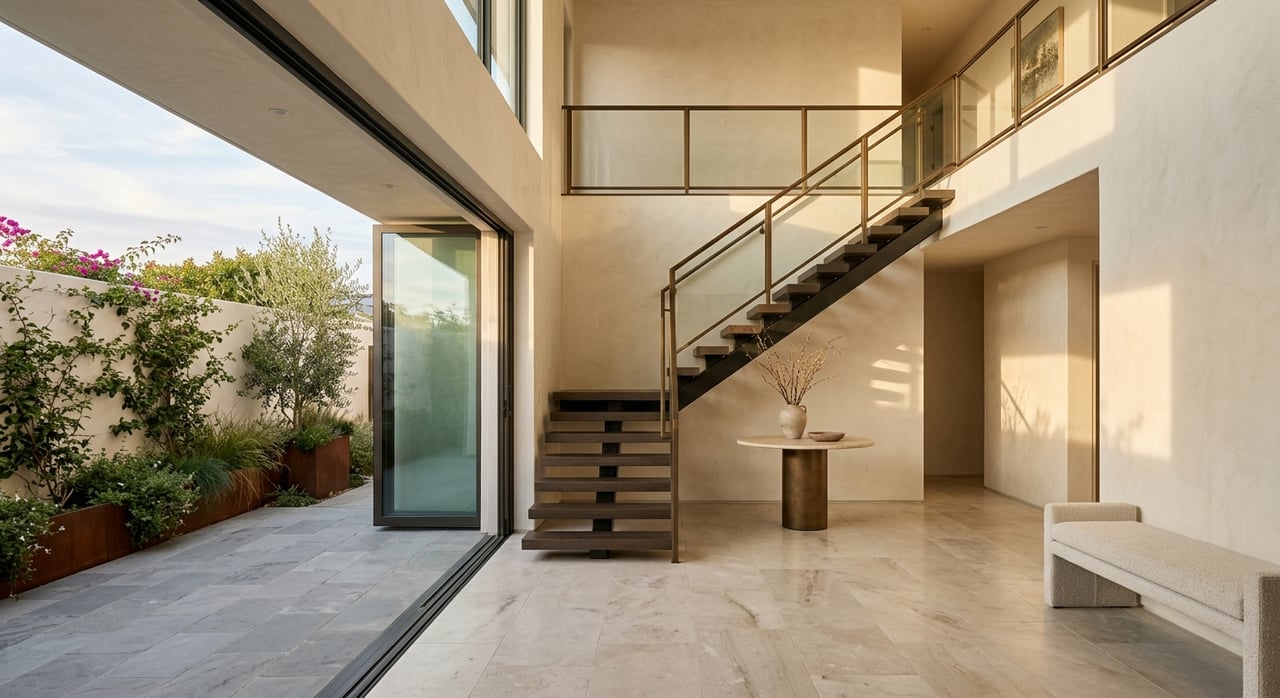
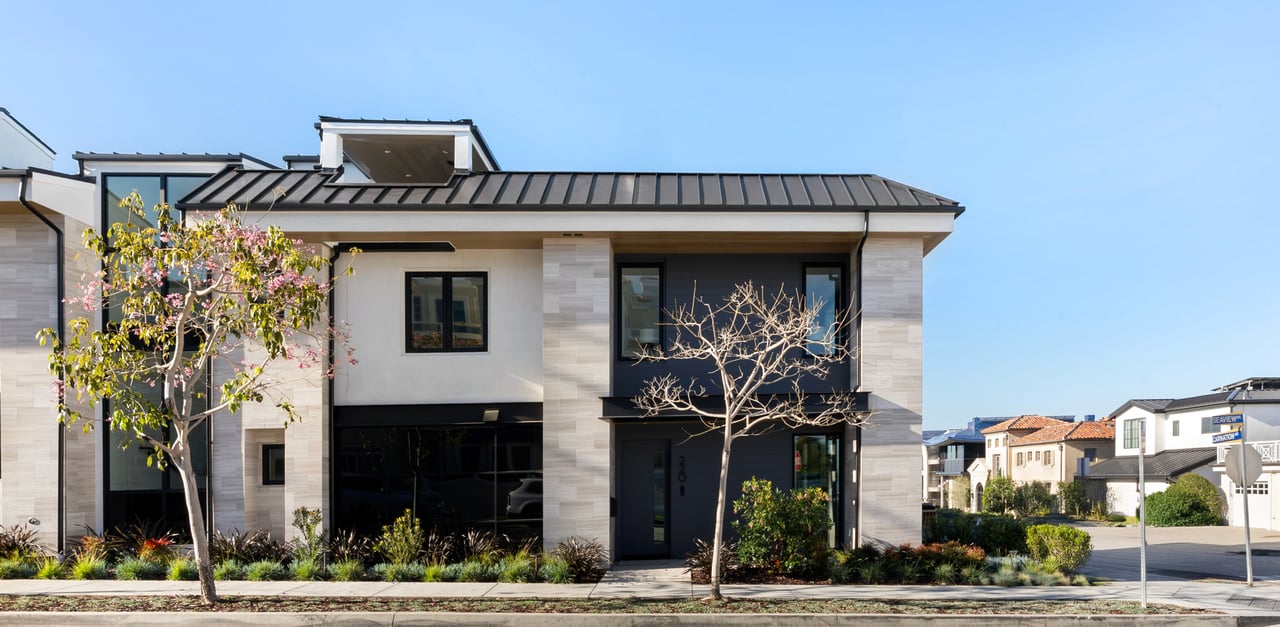
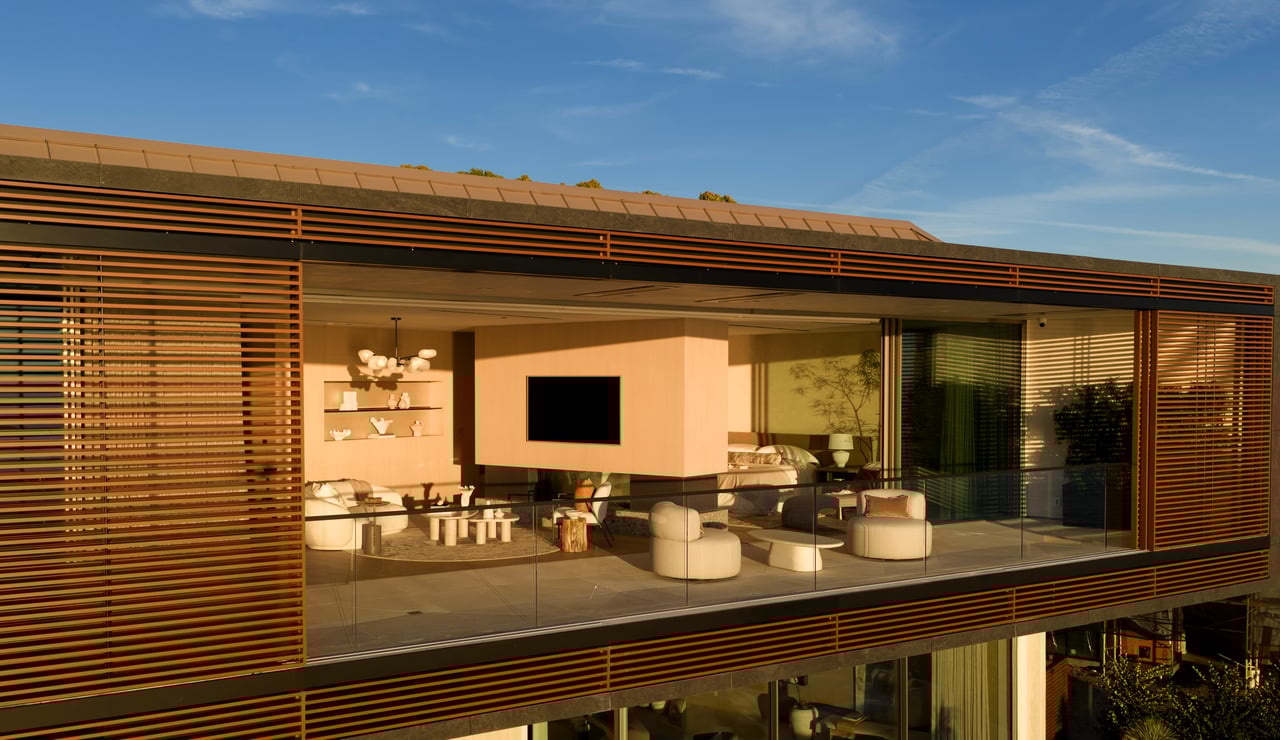
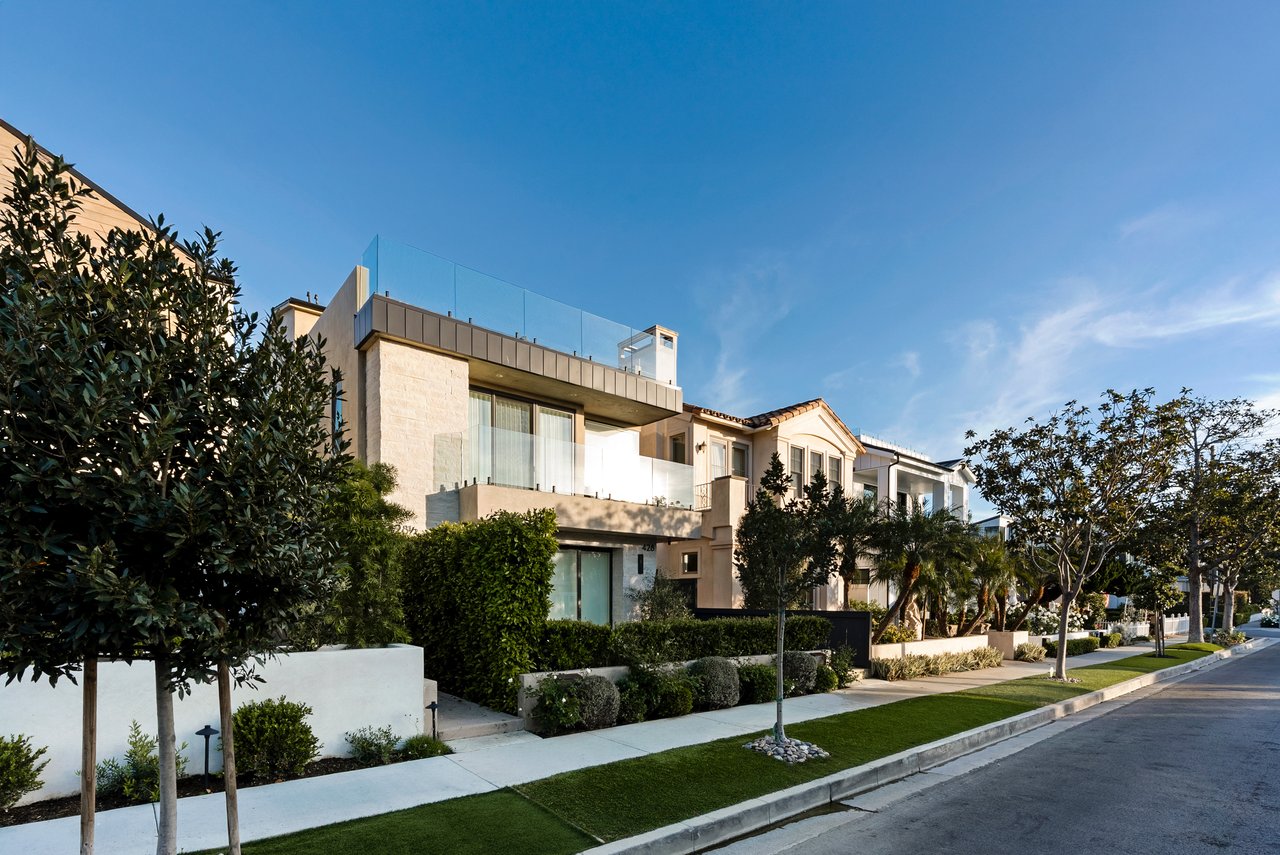
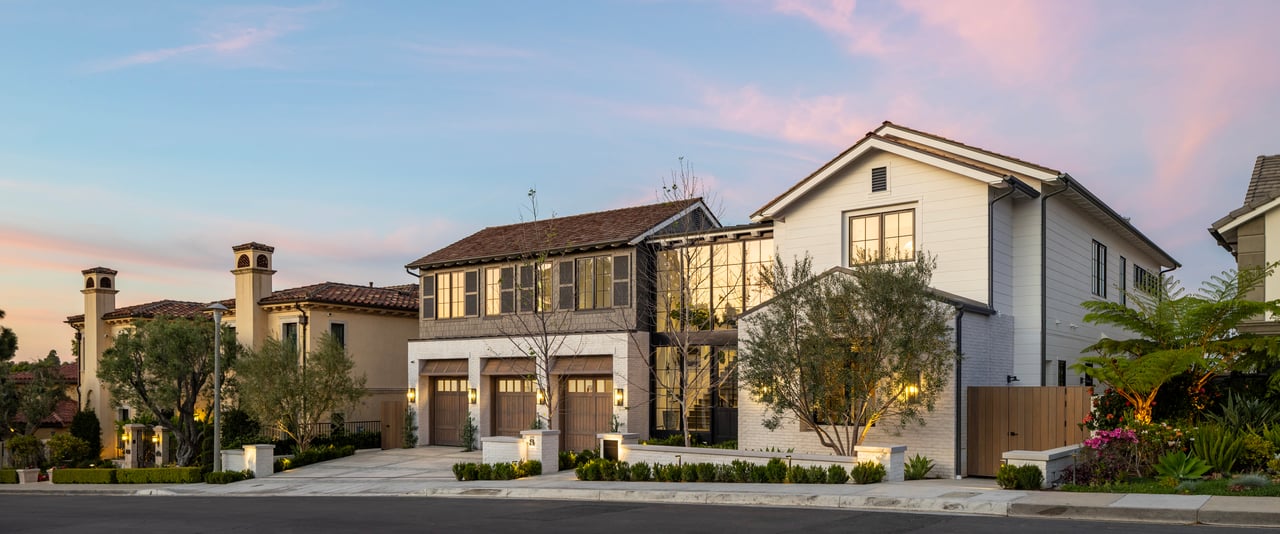
- Cameo Highlands new construction benchmark: a brand-new custom coastal residence by Nicholson Companies at 4600 Cortland Drive, approximately 3,893 square feet with four bedrooms, was listed at $7,995,000, with marketing language noting private beach access for residents of Cameo Shores and Highlands.
- Historic ceiling for context: the Portabello Estate on Brighton Road came on the market at a record $75,000,000 and sold for just under $35,000,000 in 2010.
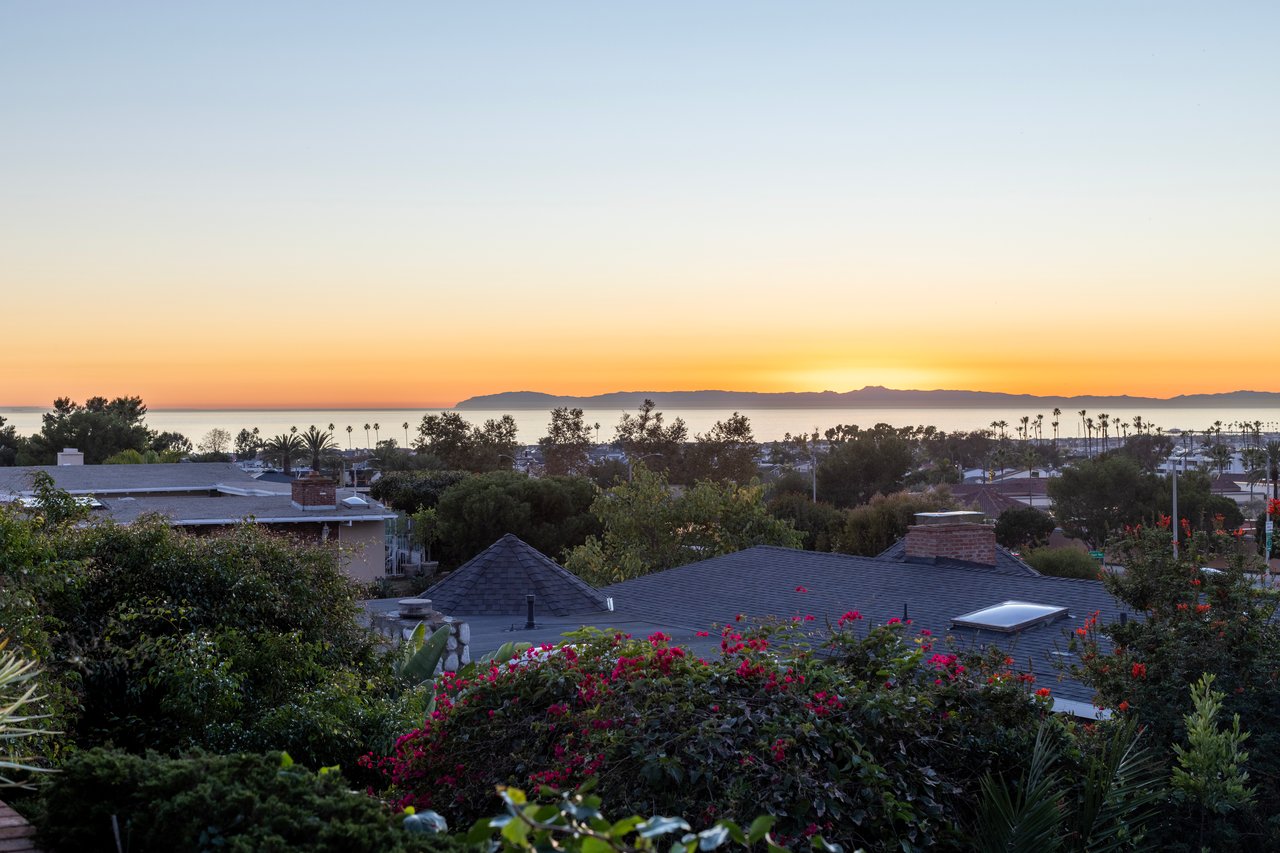
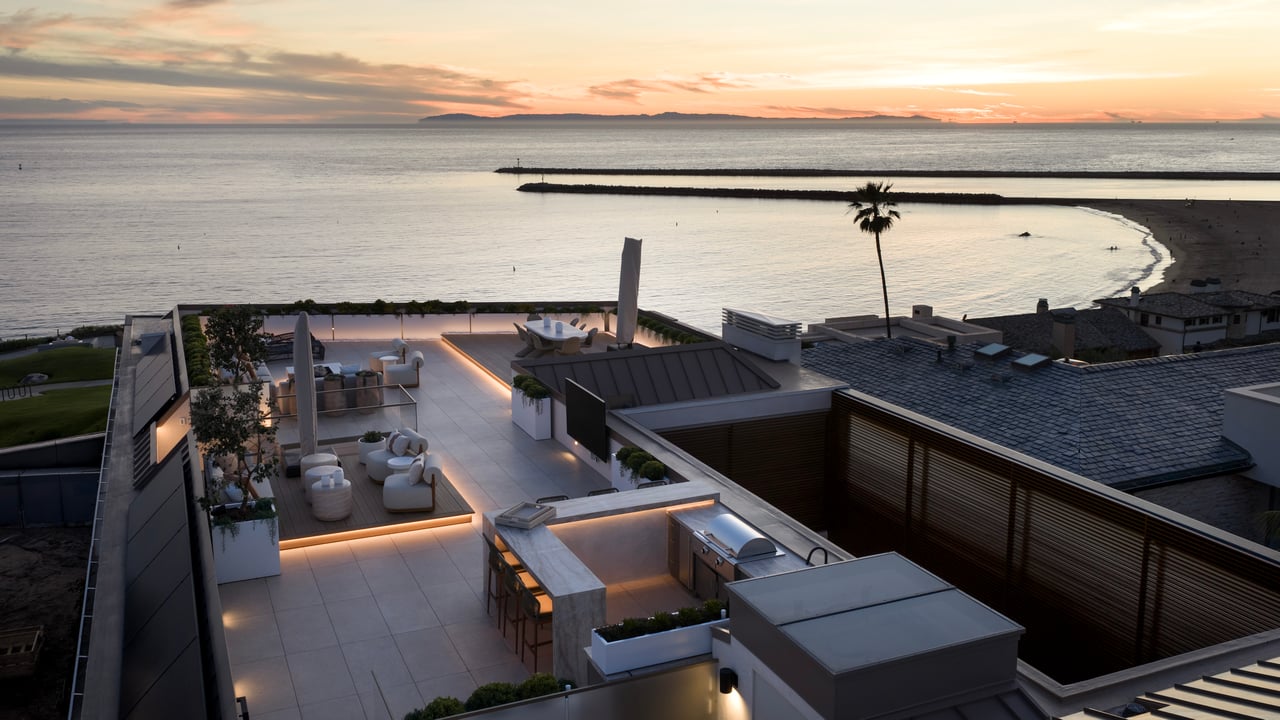
Compare those numbers against the beach-key overlap and the arithmetic becomes uncomfortable for a Shores purist. A Highlands buyer at roughly $8M receives the same HOA affiliation, the same shoreline entitlement, and a new-build product from a named local builder. A Shores buyer paying twice that is paying for one specific thing the Highlands home cannot deliver: the sightline.
The Cameo price gap is a view tax. The beach entitlement is not part of the invoice.
That framing is worth holding onto because it changes what a buyer should stress-test at diligence. If the view is the entire premium, then anything that threatens the view corridor threatens the entire premium.
The view-protection mechanism, and why it matters at closing
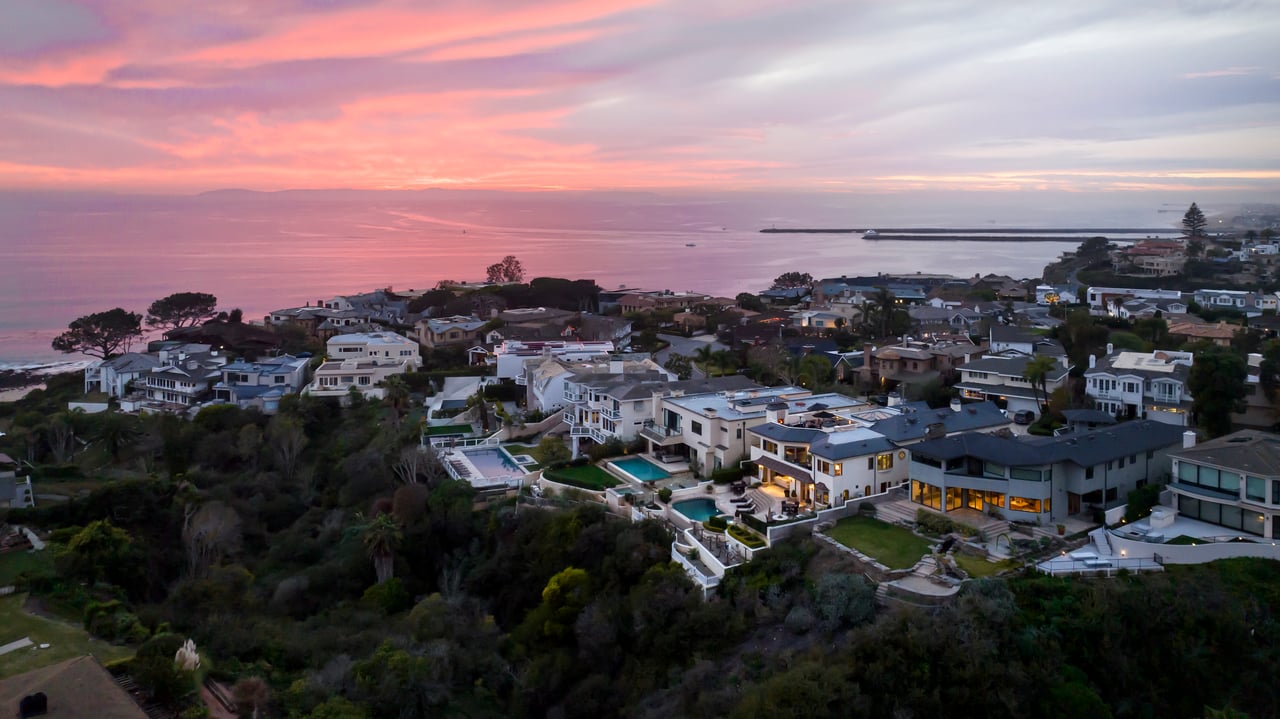
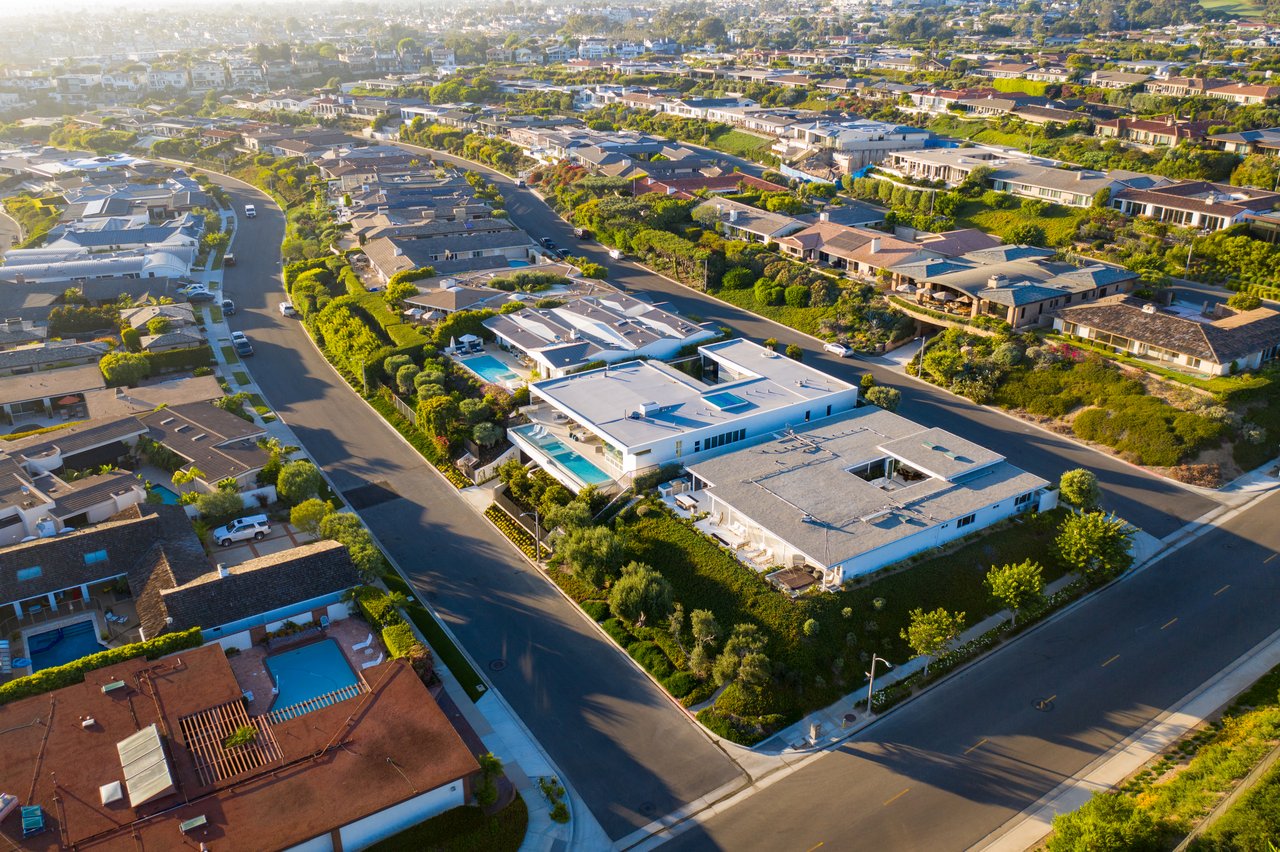
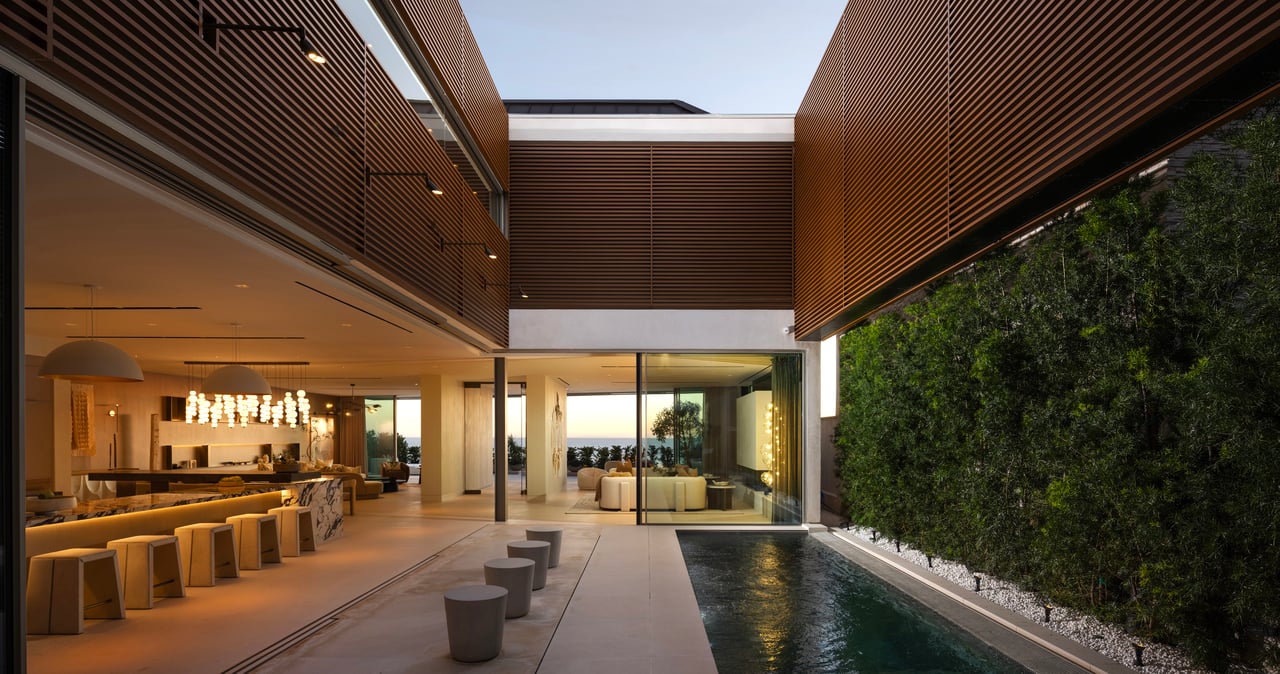
Both communities are governed by unusually strict height and massing restrictions, and those restrictions are the reason the tiered layout still works six decades after it was drawn. There are height restrictions in Cameo Shores and Cameo Highlands so that the homeowners can maintain their ocean views. All the homes are custom, and they are all restricted to building at ground level or below, ensuring that properties have access to beautiful views.
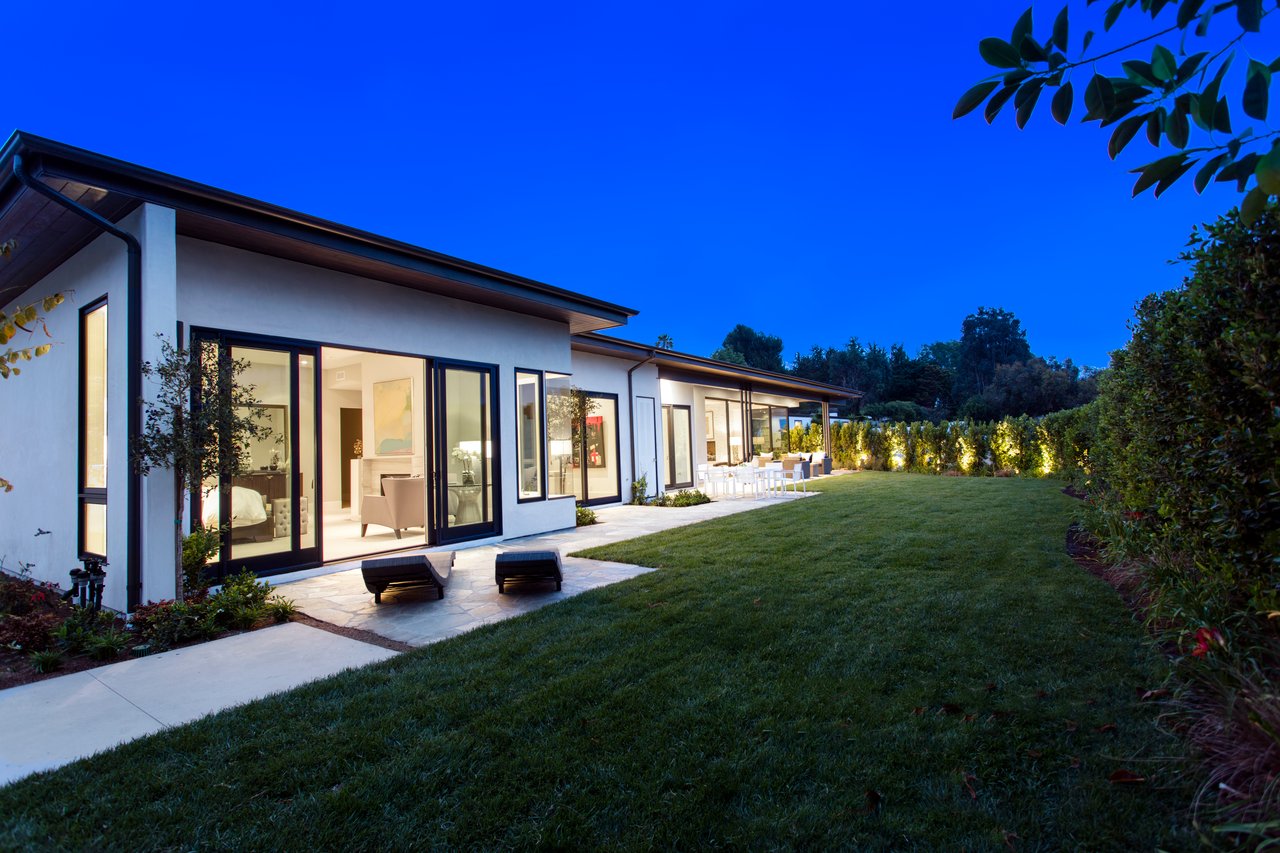
The origin of that discipline goes back to the neighborhood's earliest lots. Cameo Shores was first developed in the 1960s by the Irvine Company, sold as a series of leases on completely un-improved plots of land, in conjunction with The Sunny Homes Corporation, and was originally called Cameo Cliffs. Many of the original homes still exist, finished in typical mid-century ranch, revival, or modern styles, while newer homes have appeared in recent years. On the Highlands side, situated on the north side of Pacific Coast Highway, homes date back to the early 1960s, when the majority were built as single-level residences often used as second homes, and over the years many have expanded into two-story homes.
That expansion history matters at contract stage. Because Highlands lots have historically been more permissive on second stories than the strict single-level rule on the Shores side, a Highlands buyer needs to read the property's specific CC&R envelope and any recorded view easements from neighbors uphill. A first-floor ocean sliver that exists today can be built out from underneath if the parcel above is entitled to a taller rebuild. The premium a buyer pays for a Highlands home with a genuine peek view is only durable if the mechanism protecting that peek is durable.
Three items worth surfacing before contingencies are removed:
- The current CC&R height envelope for the specific parcel, and whether it has ever been amended.
- Any recorded view easements benefiting or burdening the property.
- The HOA's current position on second-story additions in the Highlands section, which has softened over time as owner-occupancy has grown.
None of these are exotic. They are simply the diligence items that a buyer who understands the mechanism runs, and that a buyer who is chasing the beach key alone tends to skip.
The beach key at closing
One friction point catches out-of-area buyers reliably. The private beach entrances are physical key access, not app-based. The direct access routes to the beach are locked off and only the Cameo residents have keys. Keys are HOA-issued, tied to the property, and must be transferred at closing along with the standard HOA documents. If the seller cannot produce them, the buyer is entering escrow on a home whose defining amenity is temporarily inaccessible pending an HOA replacement process. It is a small item that occasionally becomes a large item on move-in weekend, particularly for second-home buyers who close remotely.
For sellers, the inverse is a marketing note. Presenting a Highlands home without an explicit statement of Cameo beach entitlement leaves the arbitrage argument on the table. Buyers coming from outside the market do not know the key crosses PCH unless someone tells them.
Reading the current inventory
Turnover in both enclaves is thin. There are a little over 170 properties in Cameo Shores, ranging from 2 million dollars to more than 50 million dollars. The combined area covers approximately 170 lots in varying sizes and home styles. Against that backdrop, the current Highlands offerings read as a small but real signal. The Nicholson build at 4600 Cortland is a purpose-built luxury product on the inland side of PCH priced at $7,995,000, roughly aligned with the combined submarket median. That pricing is not a discount to the Shores oceanfront tier. It is the market saying that a well-executed new build without a Pacific view corridor now clears at the same level as the shared-beach median.
Read another way, it is the arbitrage narrowing. As Highlands product quality rises to match the Shores rebuild pipeline, the beach-key overlap gets priced in more efficiently. The window in which a Highlands buyer captures the entitlement at a genuine discount to Shores comparables is not permanent.
FAQ
Does a Cameo Highlands homeowner really get the same beach key as a Cameo Shores homeowner? Yes. The HOA framework covers both enclaves, and the gated beach entrances are keyed for the combined community, not for the Shores parcels alone.
Is Cameo Shores gated? No. Cameo Shores is a non-gated community with an exclusive and private feel, located just south of the Pacific Coast Highway between Shore Cliffs to the north and Pelican Point to the south. The private beaches are gated. The residential streets are not.
What is a realistic entry point in Cameo Highlands right now? Pricing tracks the combined Cameo submarket median, which sat at $8.1M for the three months ending February 2026. New construction on the Highlands side is clearing near that level. Original 1960s single-level homes on standard lots trade below it, with rebuild potential as a meaningful part of the underwriting.
What is the single most overlooked diligence item? The view-corridor and height-envelope pairing. The beach entitlement is a flat benefit across both enclaves. The view is not, and the mechanism that protects the view is parcel-specific.
If you are weighing a Highlands purchase against a Shores stretch, or preparing to bring a Cameo home to market and want the beach-key story told with the precision it deserves, VALIA Properties works this stretch of Corona del Mar daily. Let's Connect.