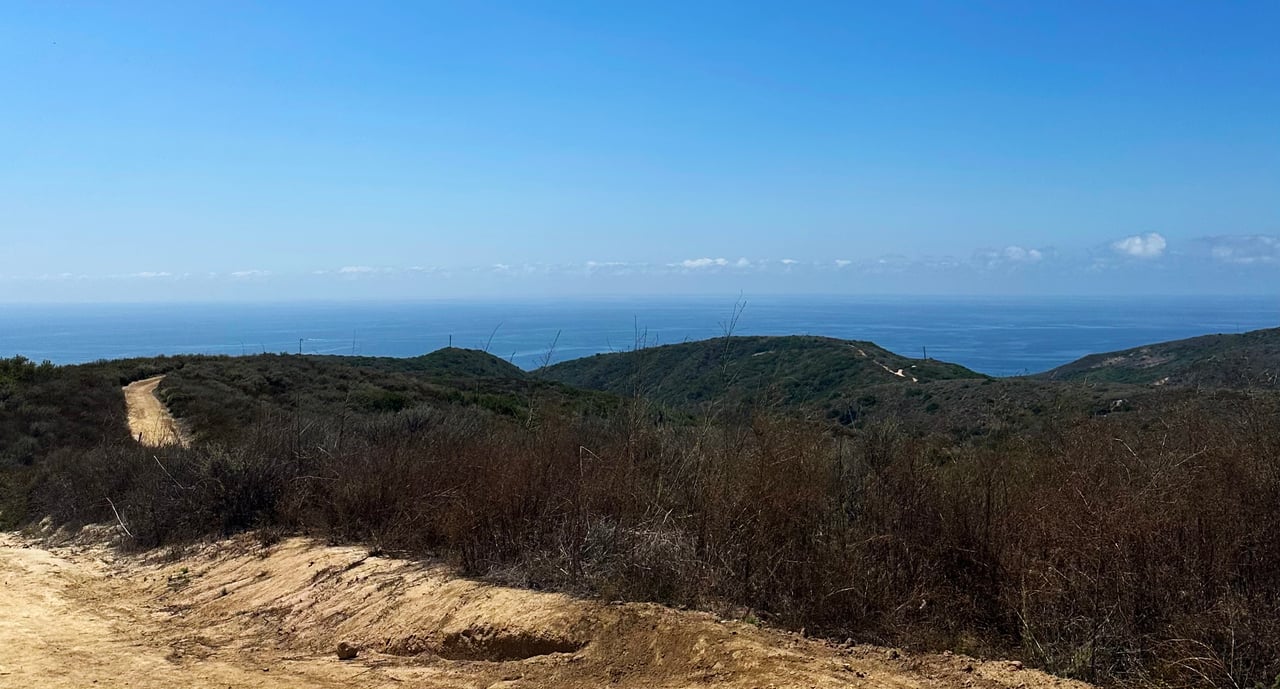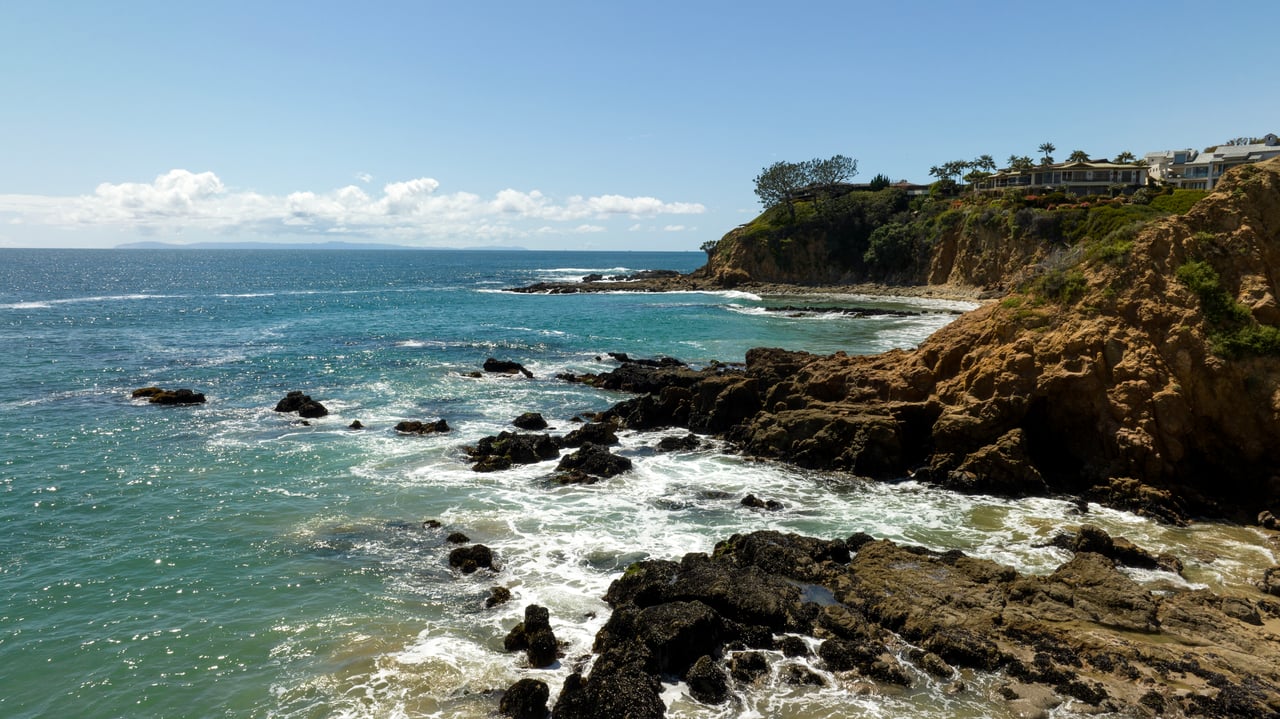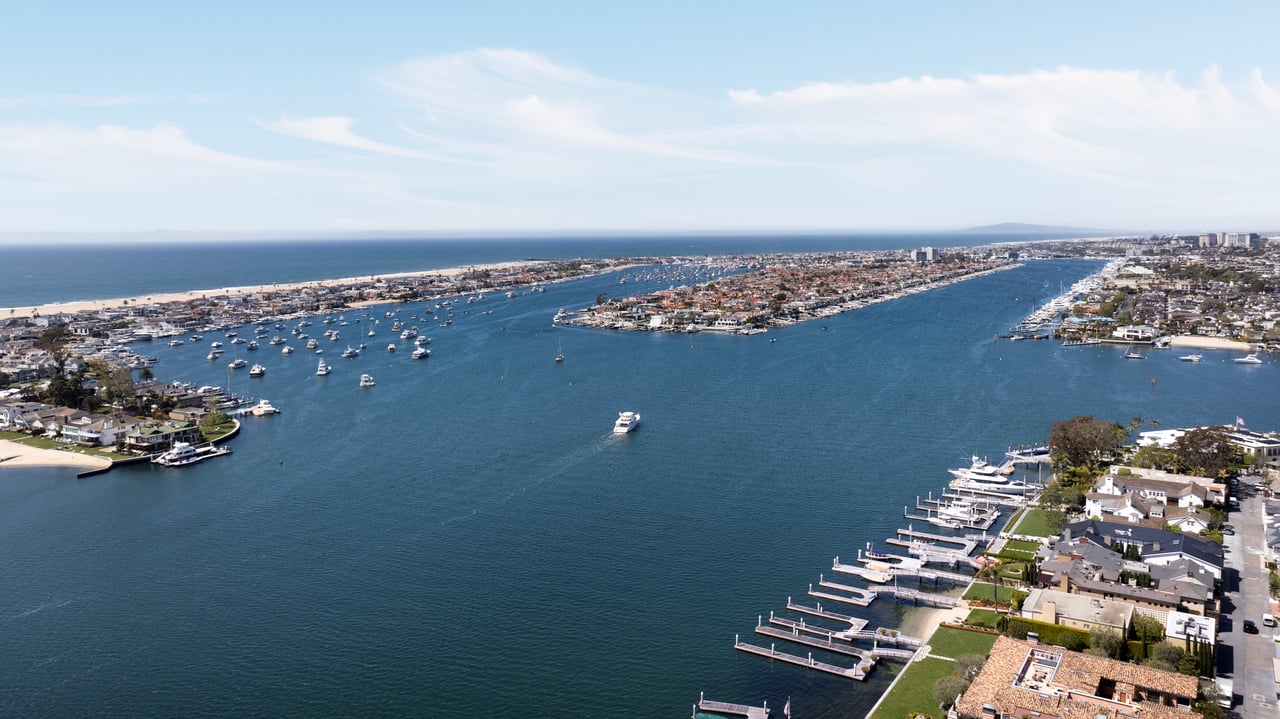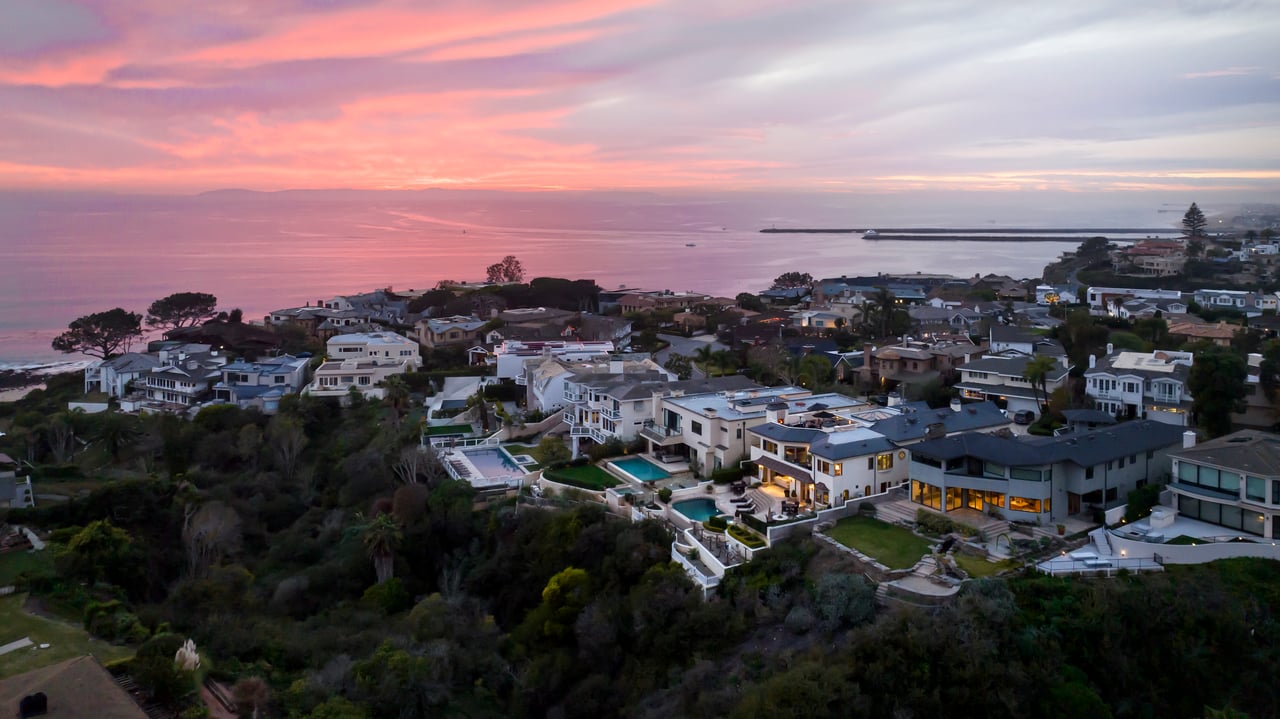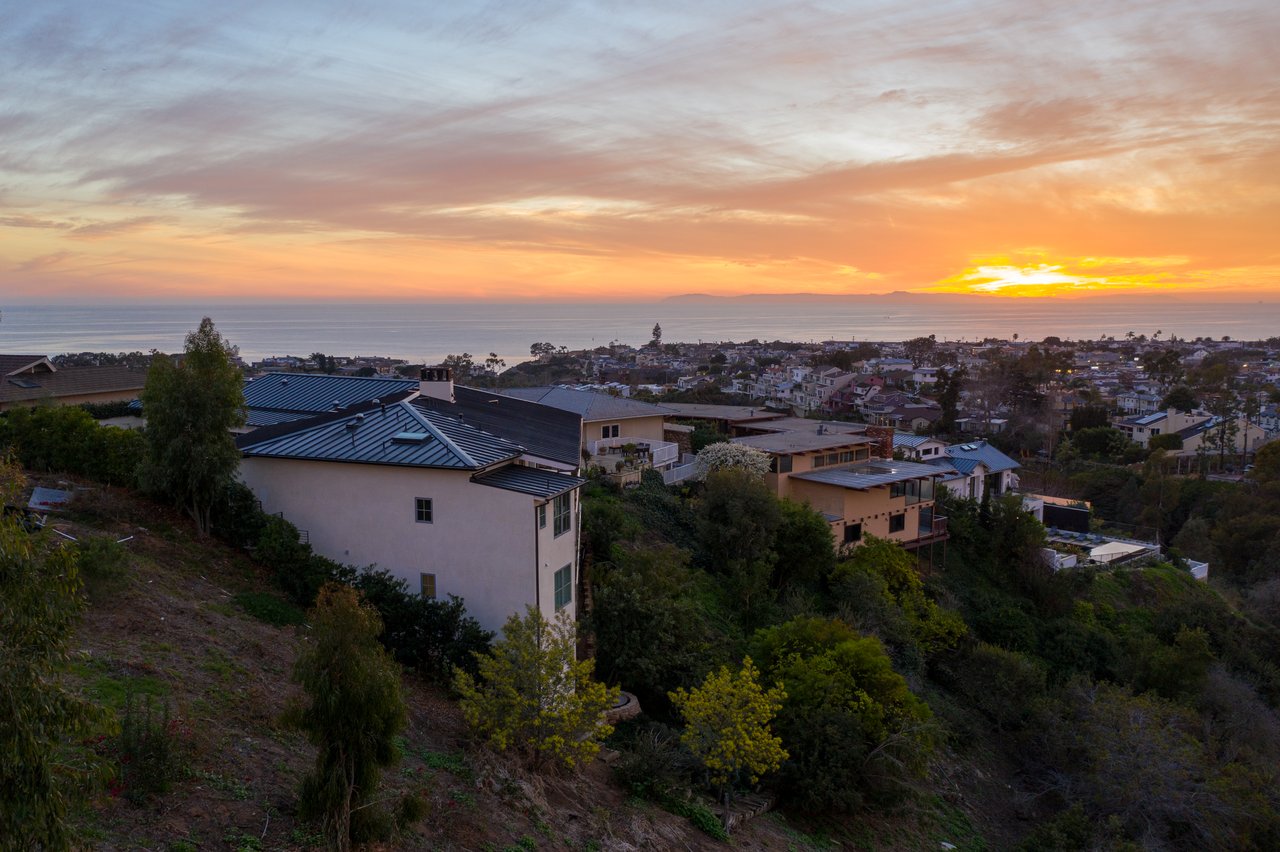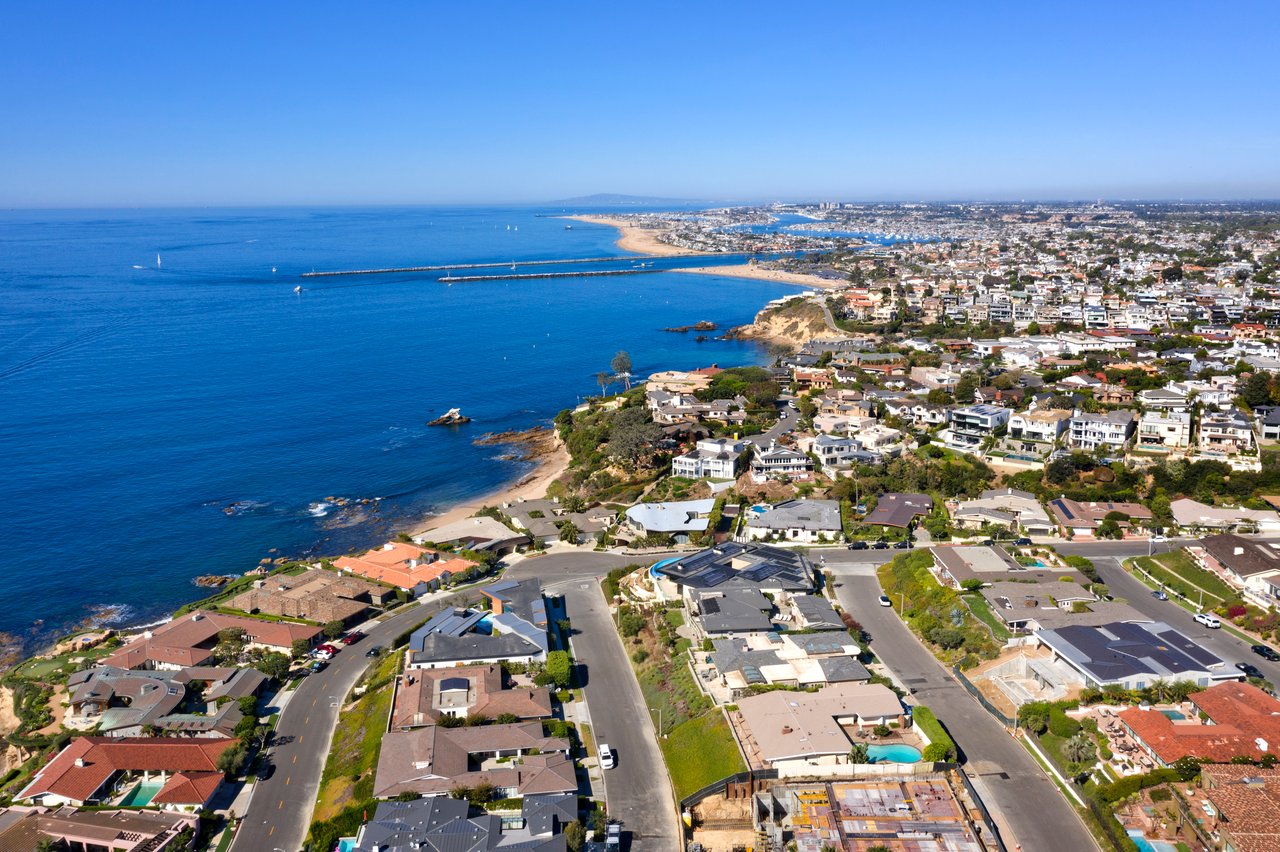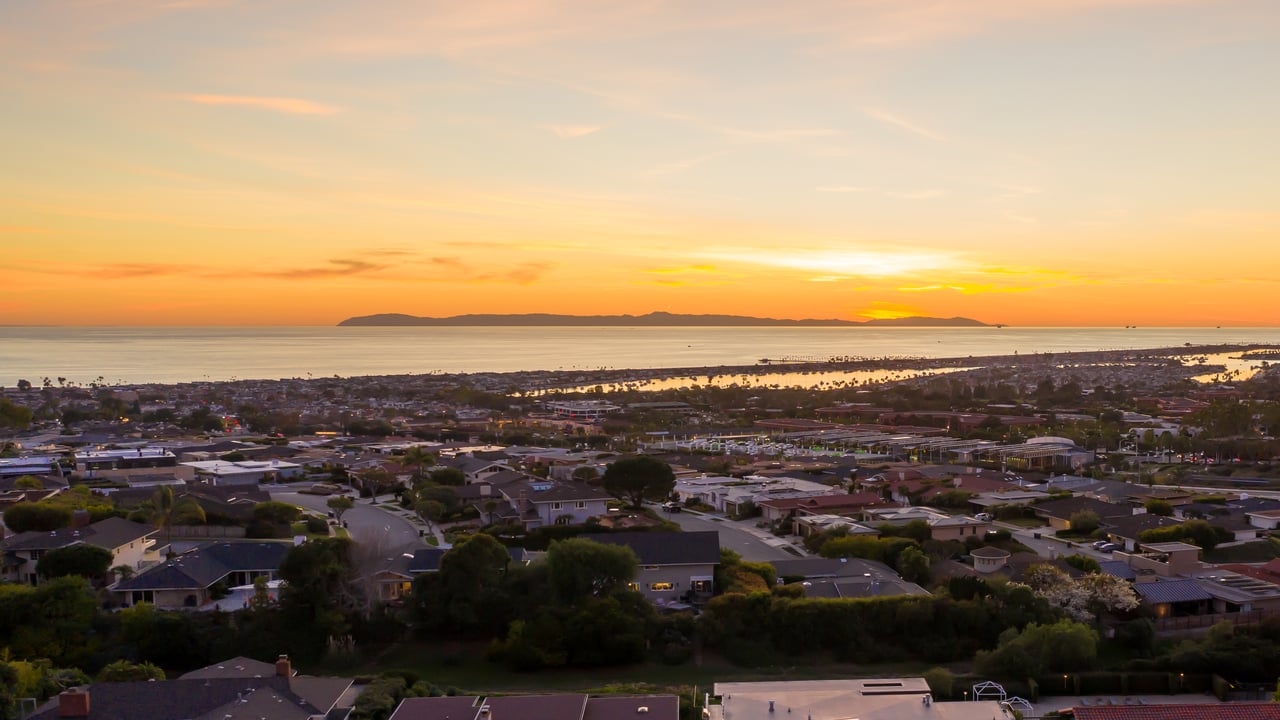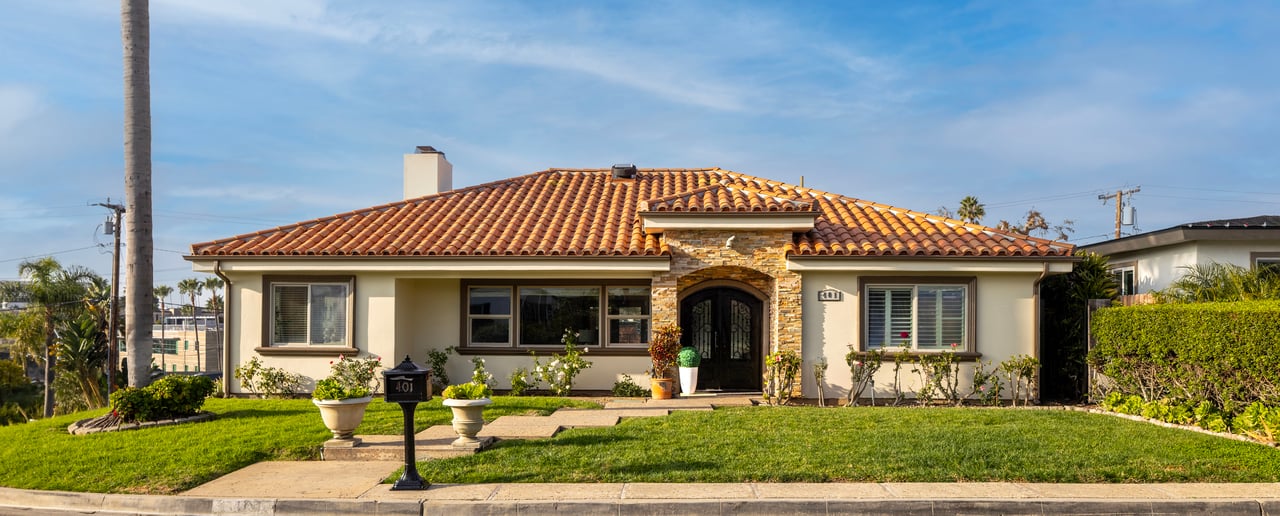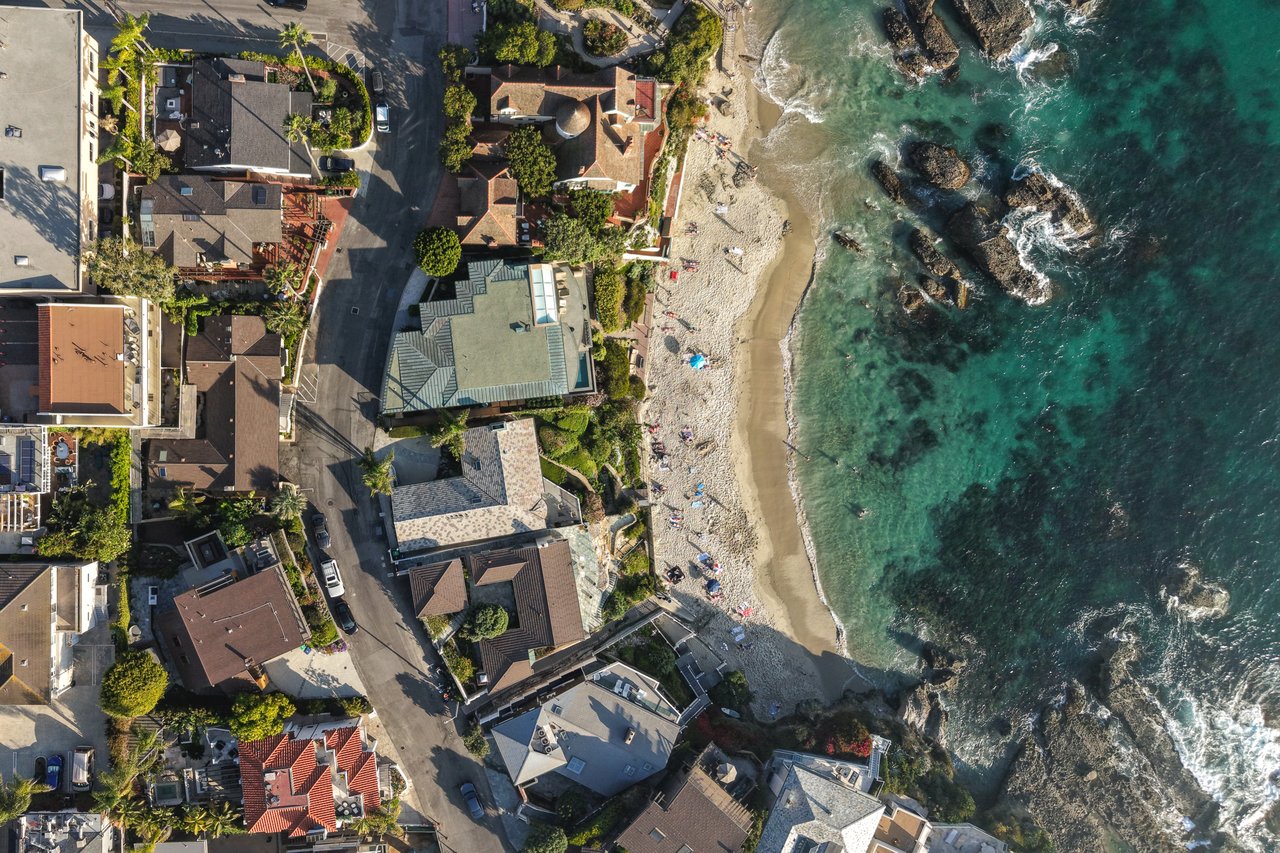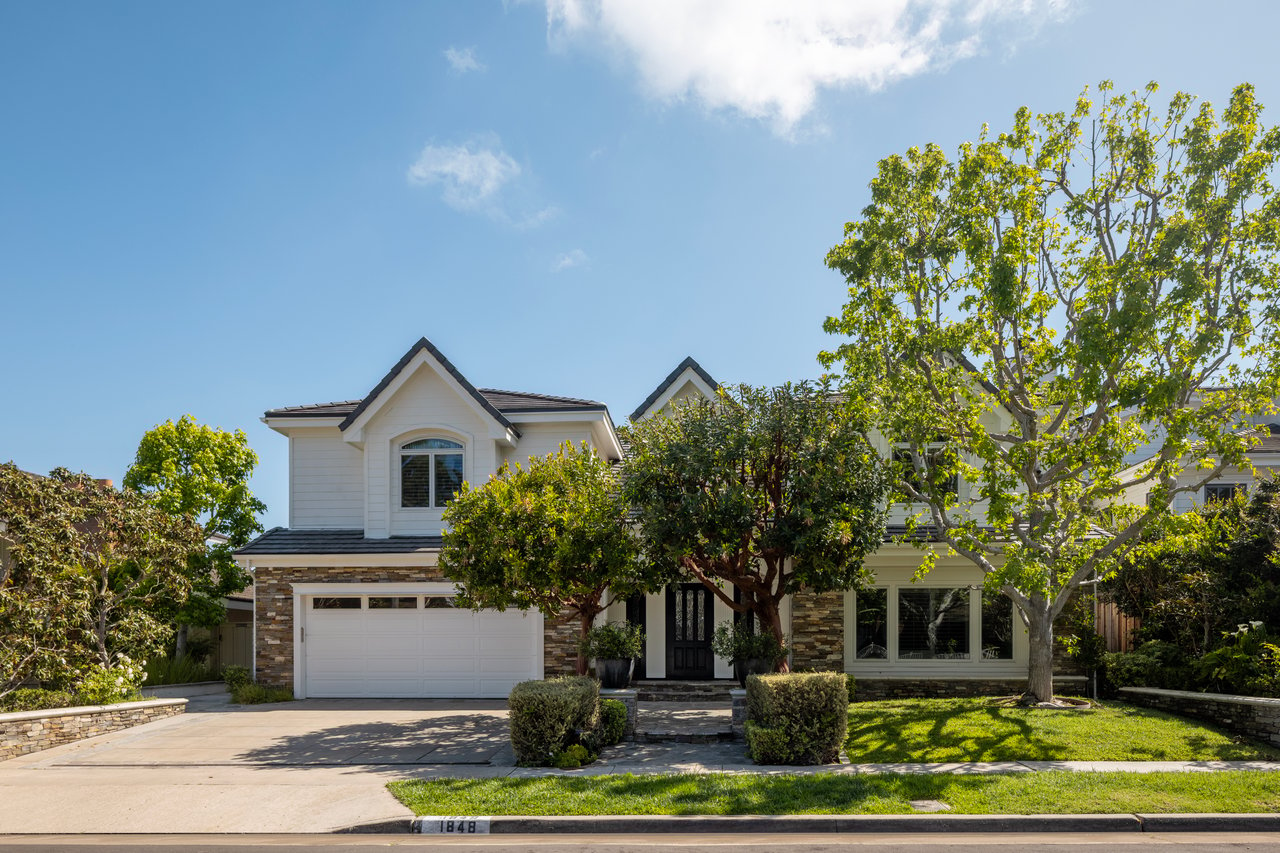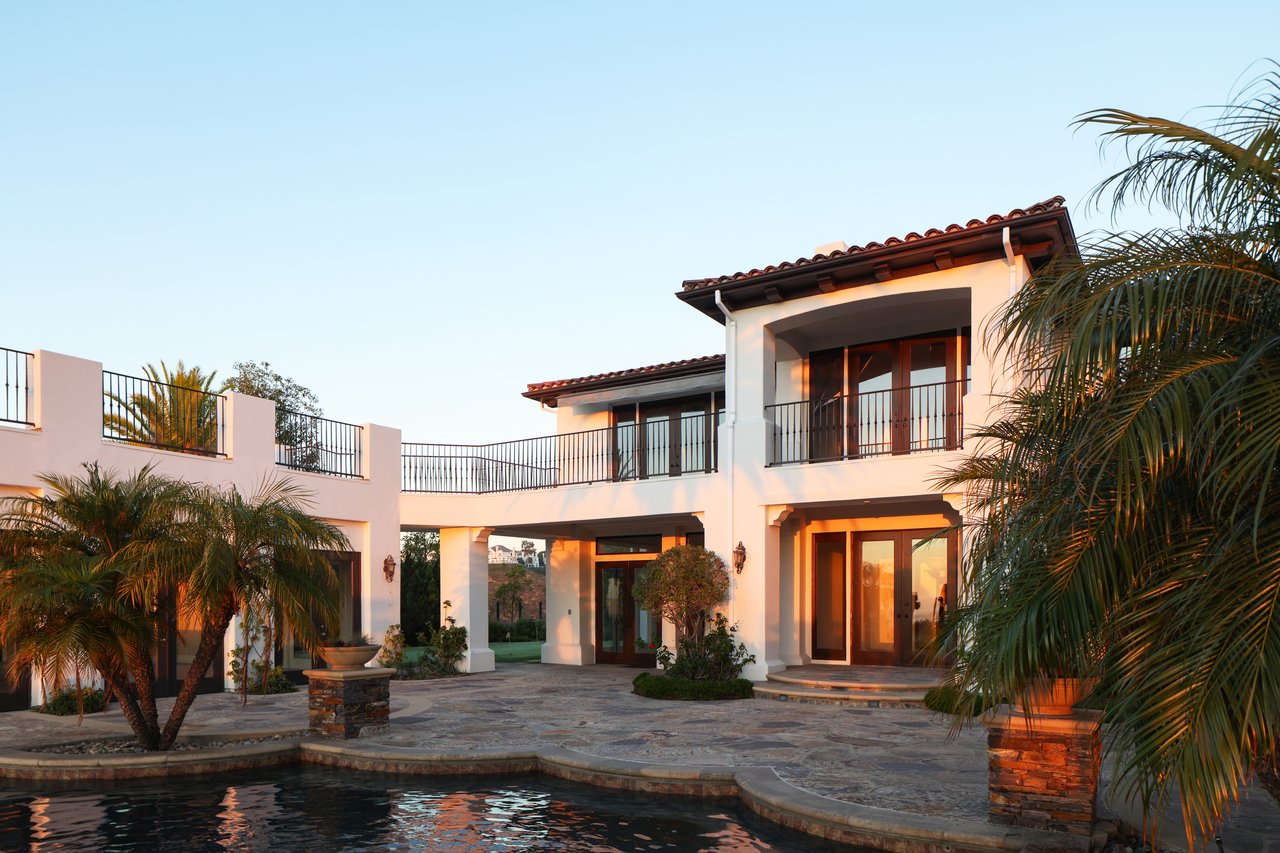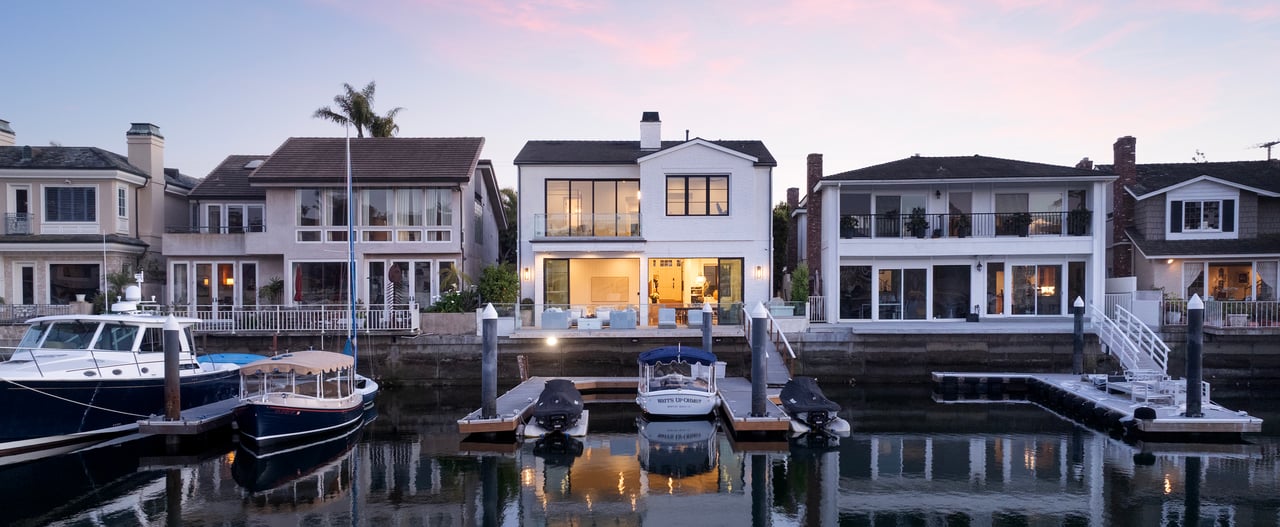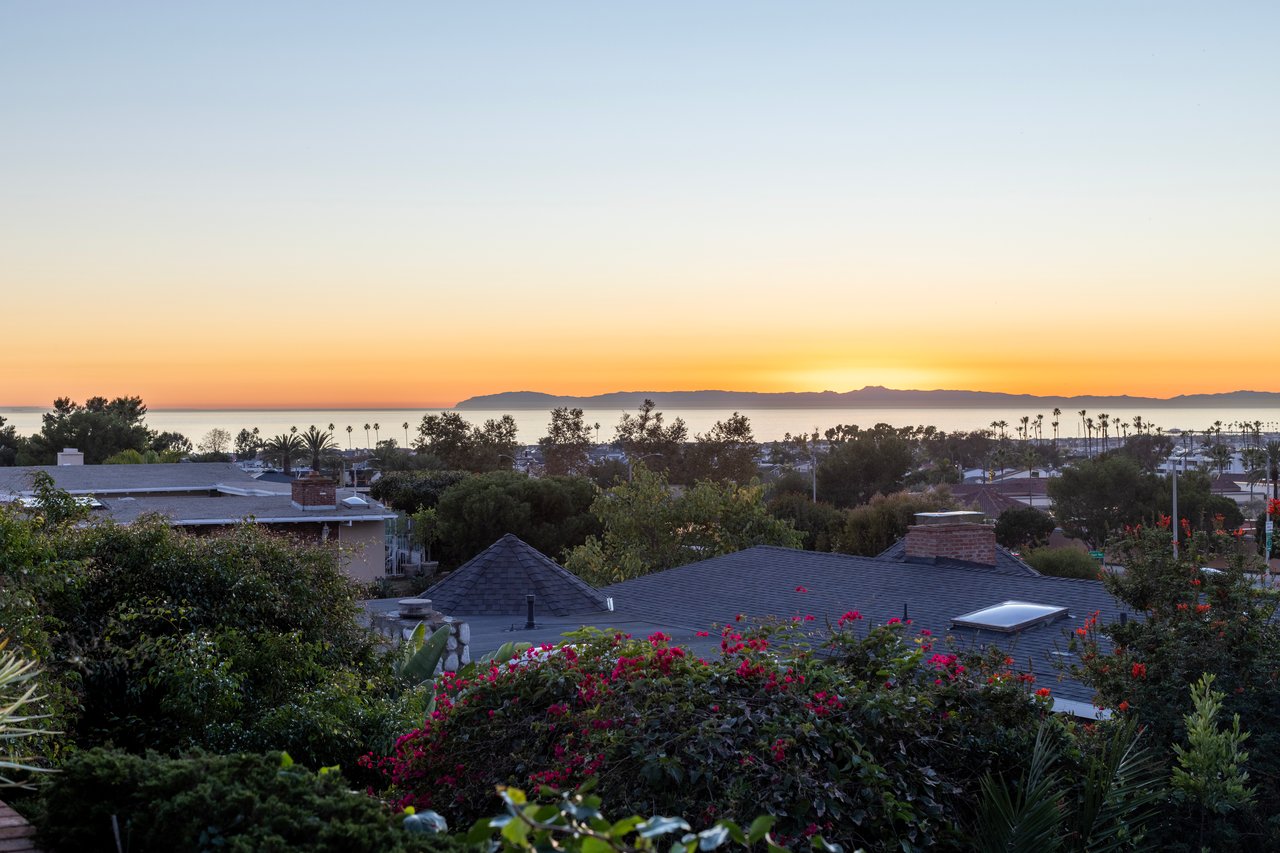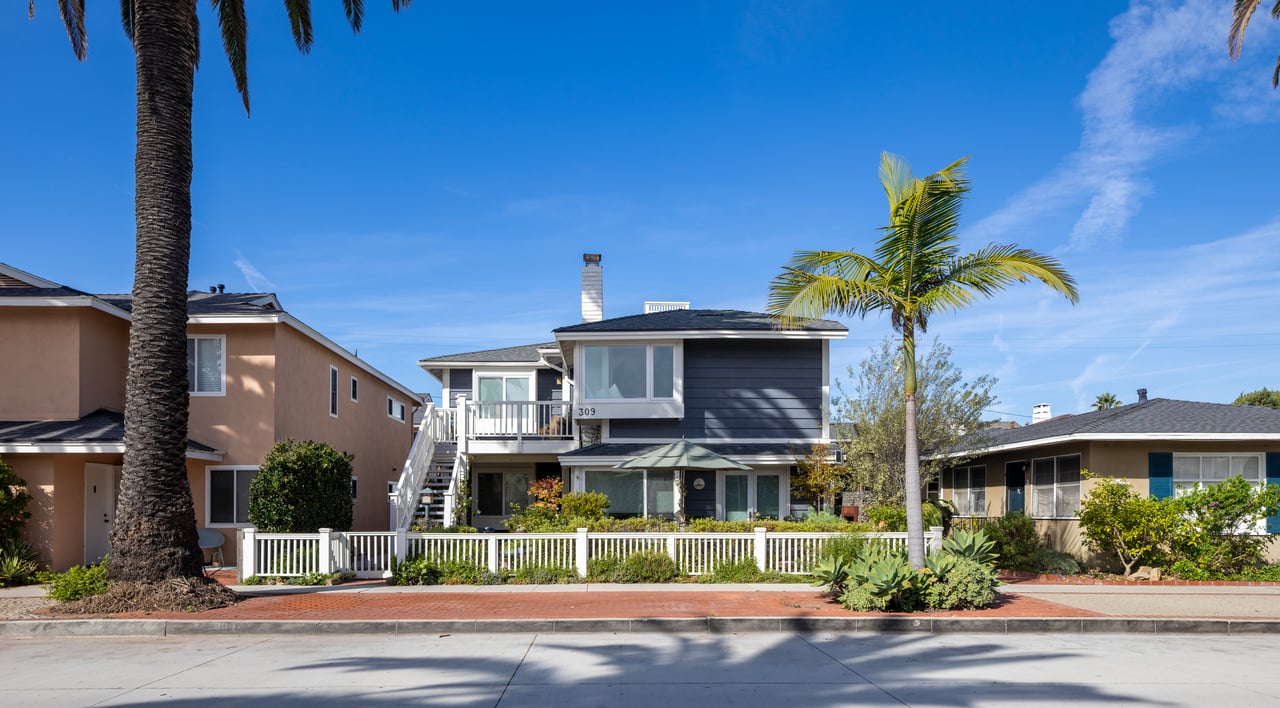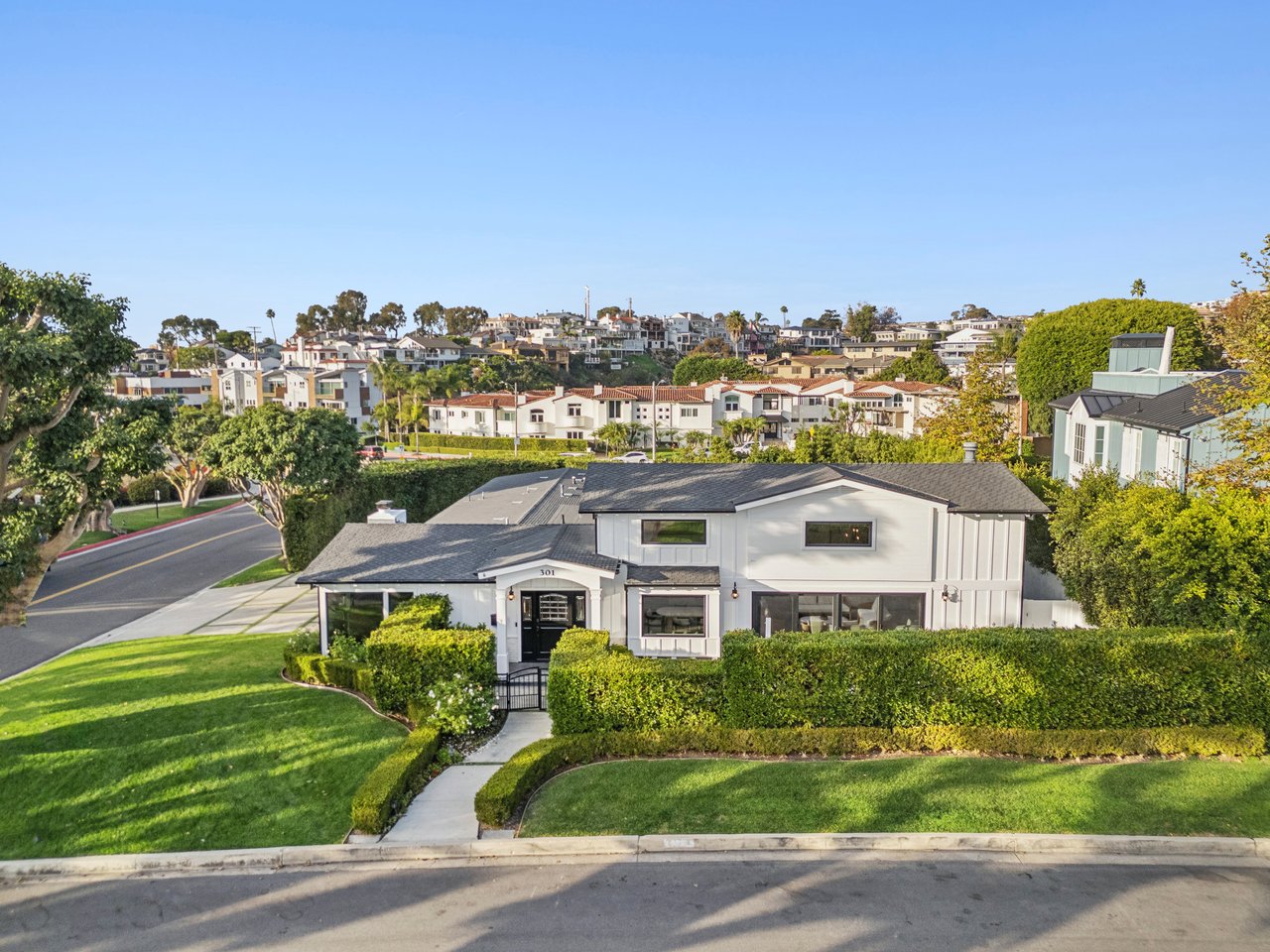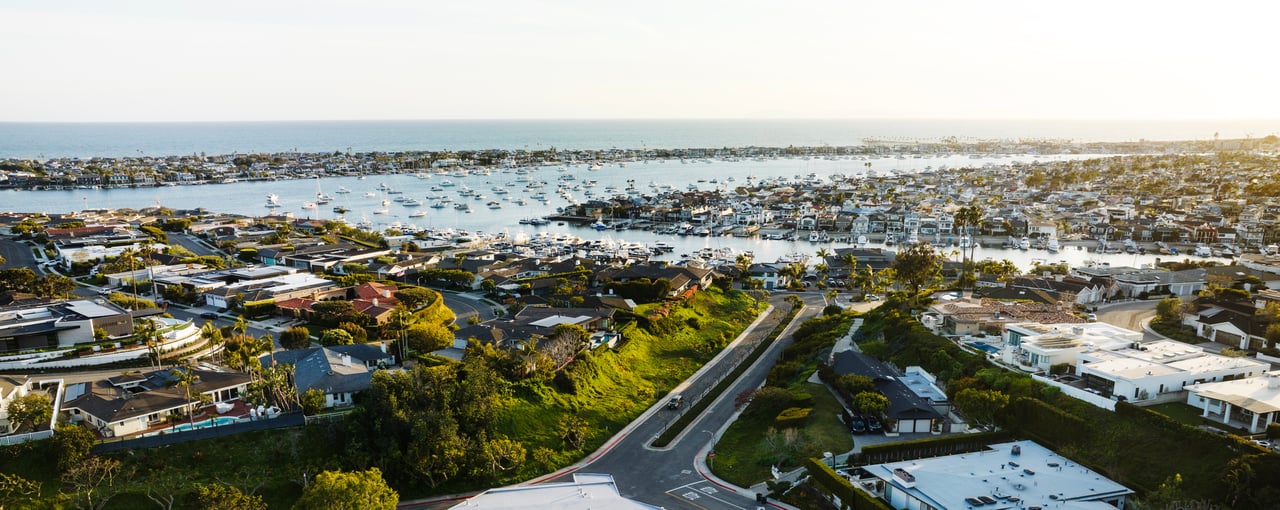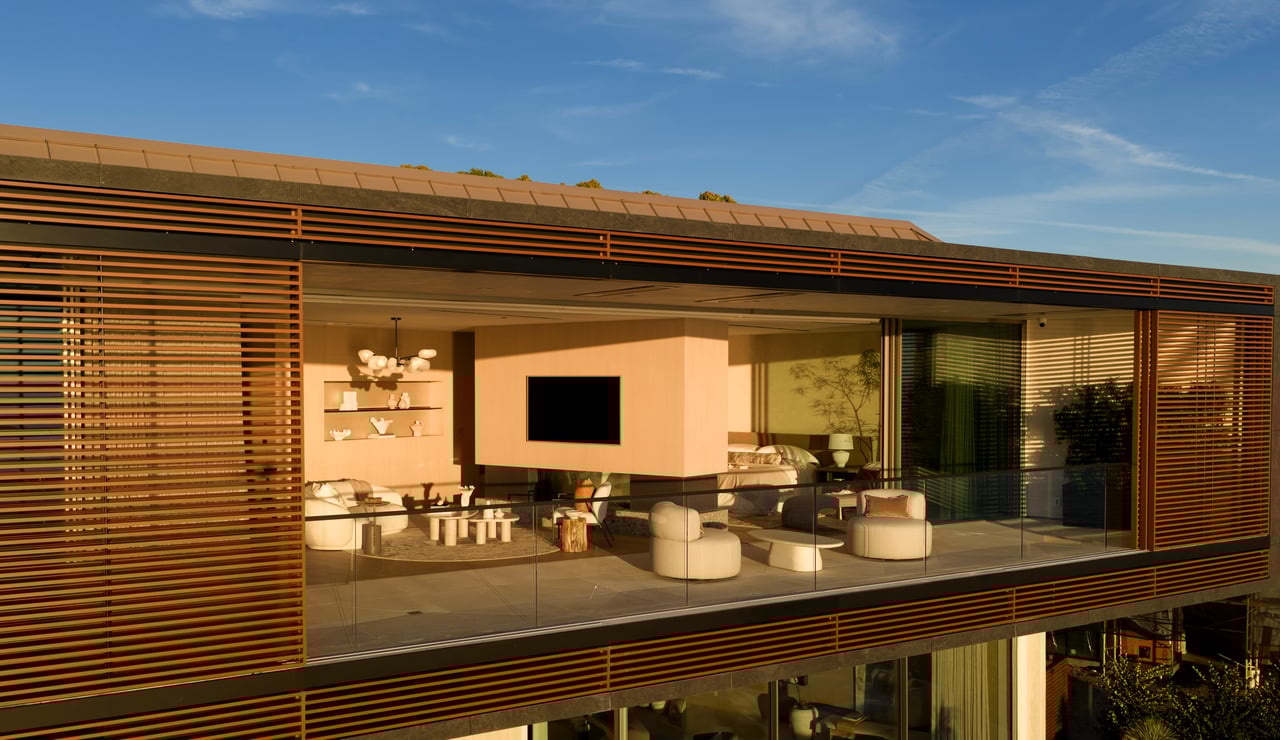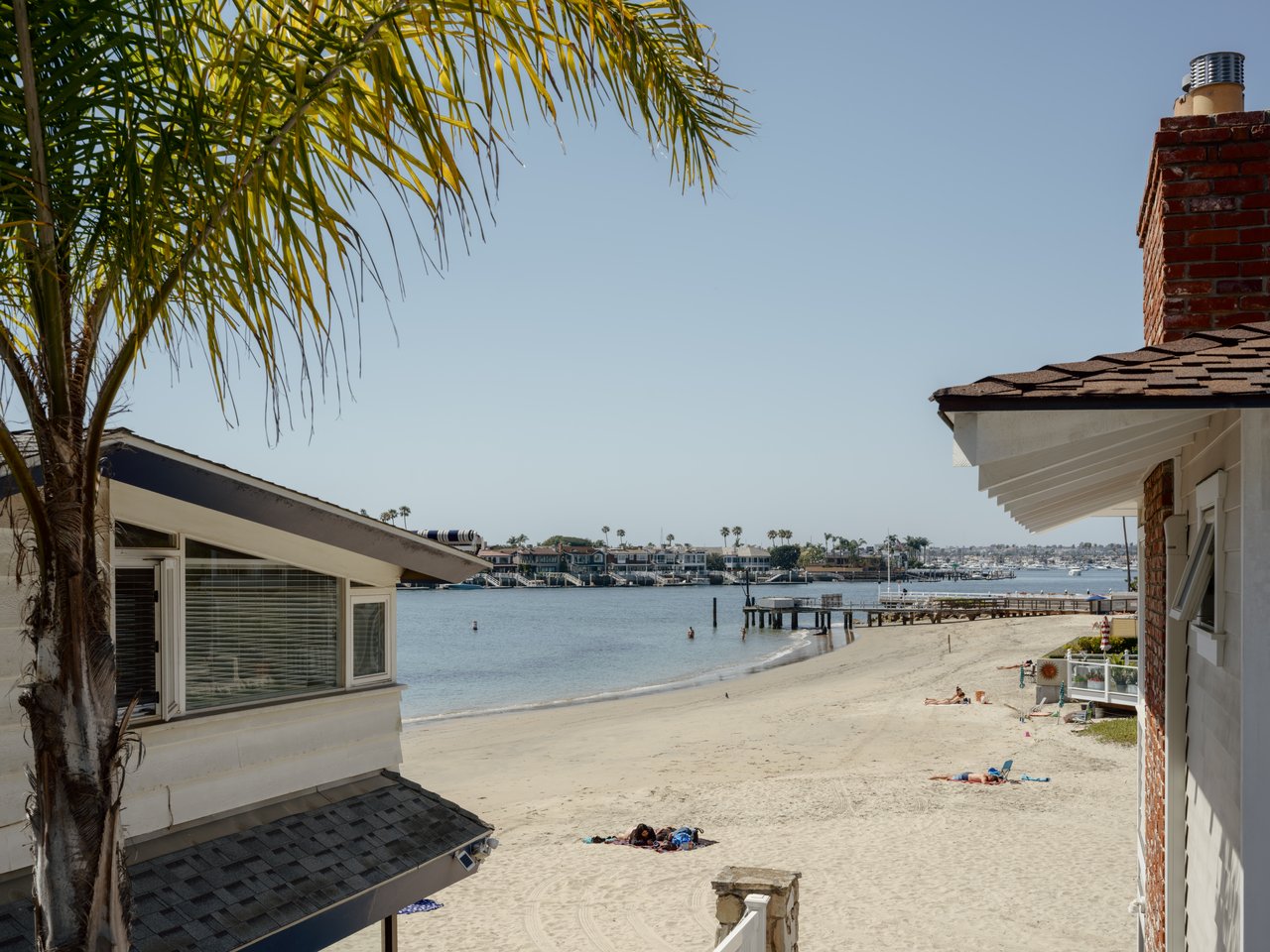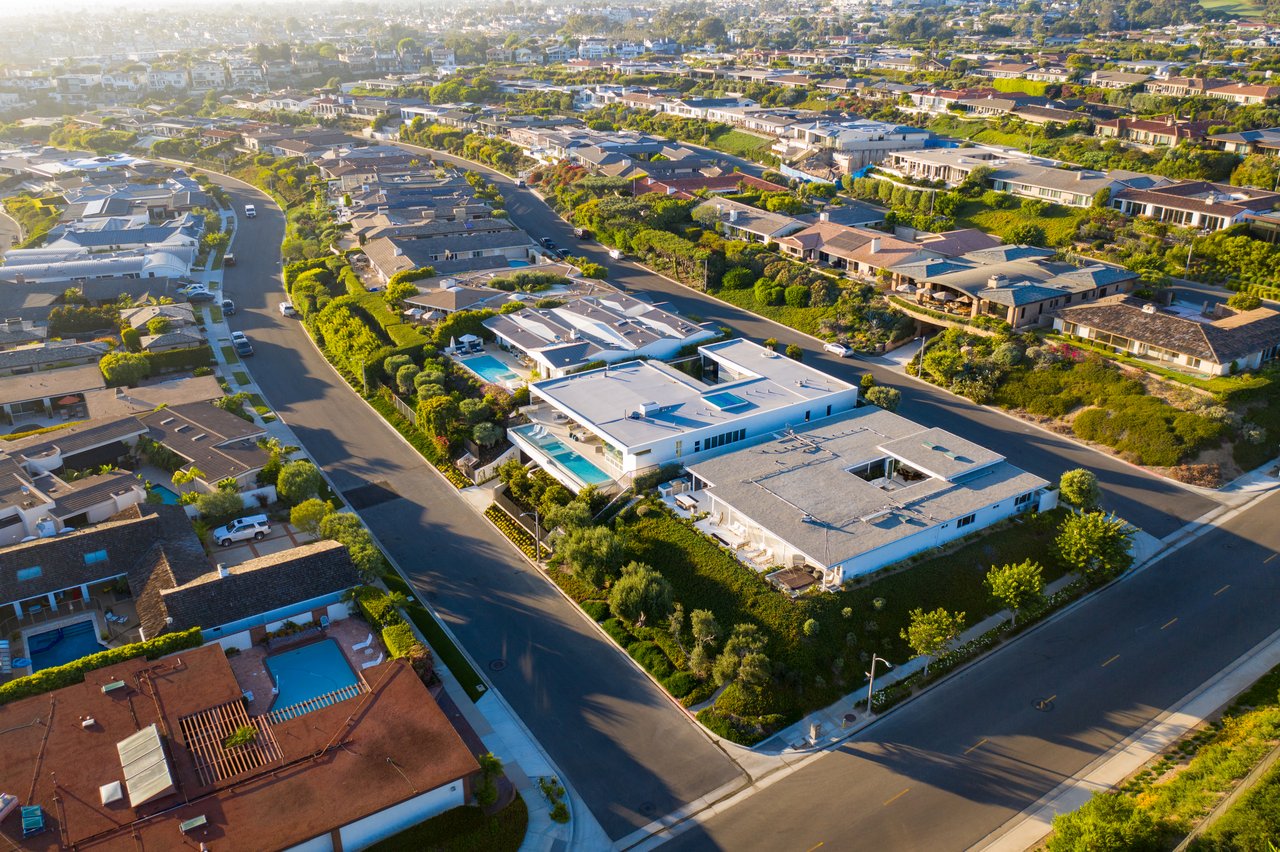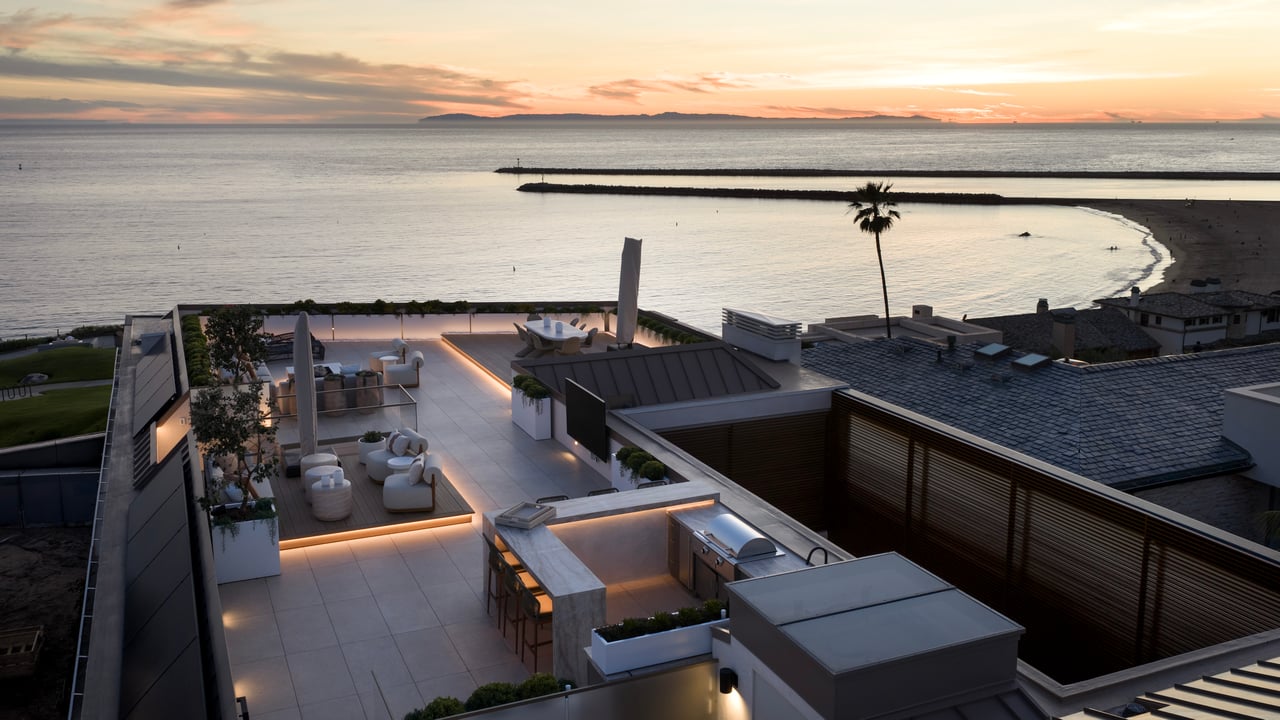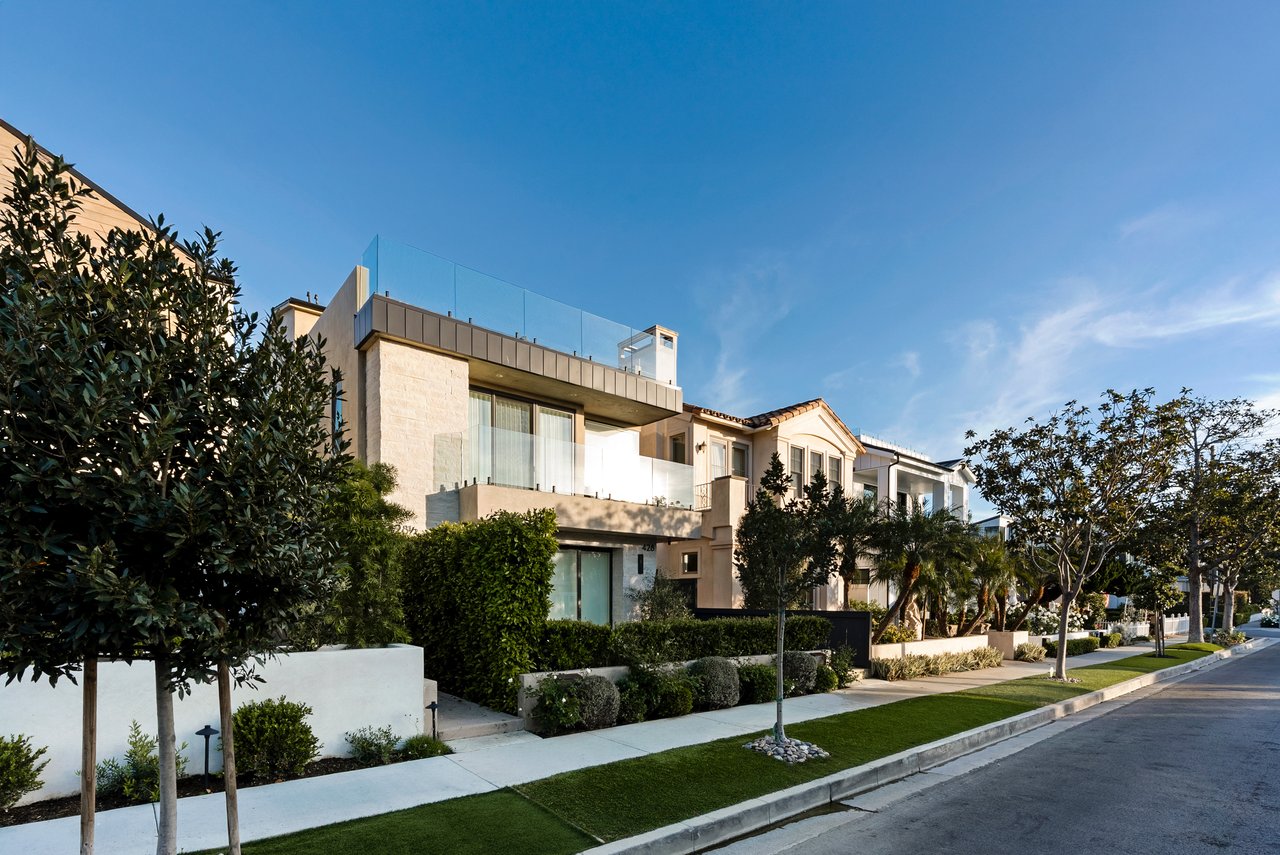
Drive Bayside toward Jamboree at low sun and Irvine Terrace reveals its logic in a single glance. The streets step up the hillside in tiers, each row lifted just enough over the one in front of it to see past the roofs below. It looks like a neighborhood. It behaves like a stadium.
That geometry is the reason the pricing here refuses to follow the usual Corona del Mar script. Buyers who arrive with a mental model built on "closer to water equals more expensive" tend to make the wrong offer on the wrong lot.
The amphitheater, read as a price ladder
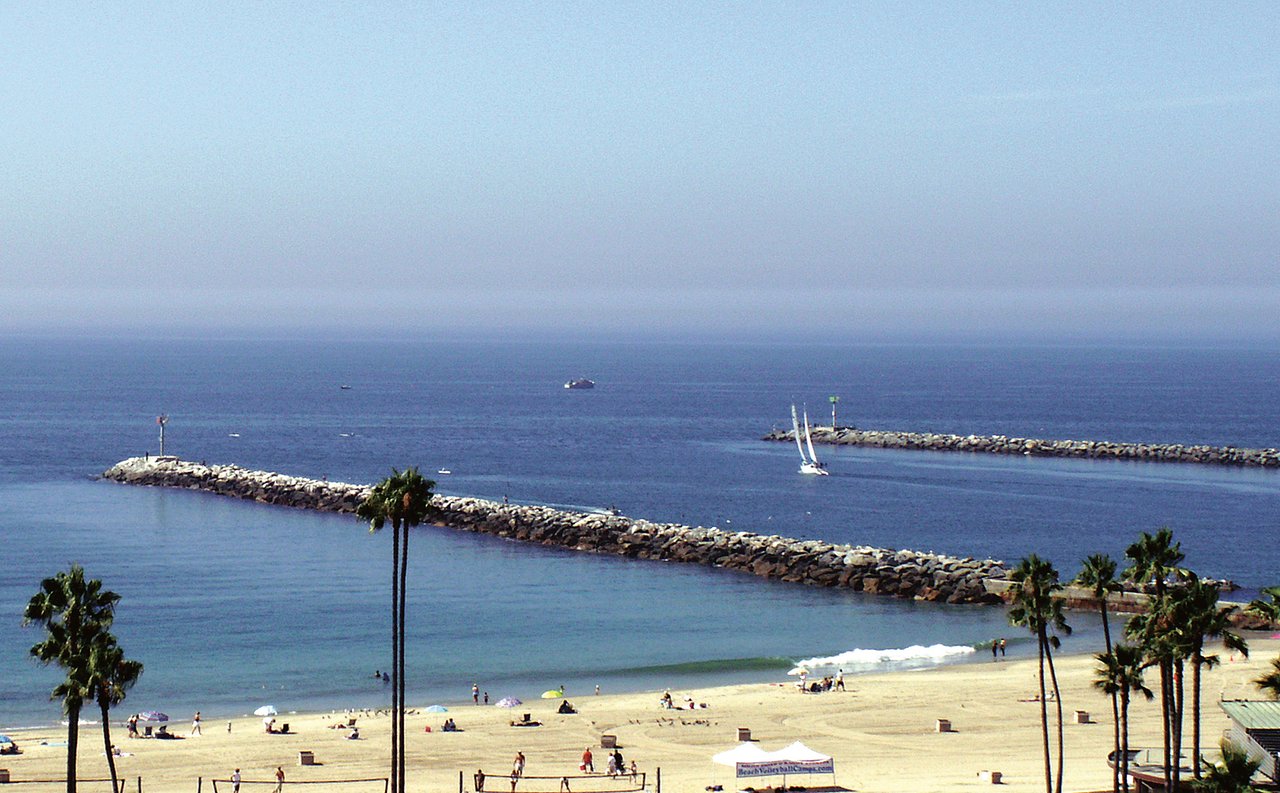
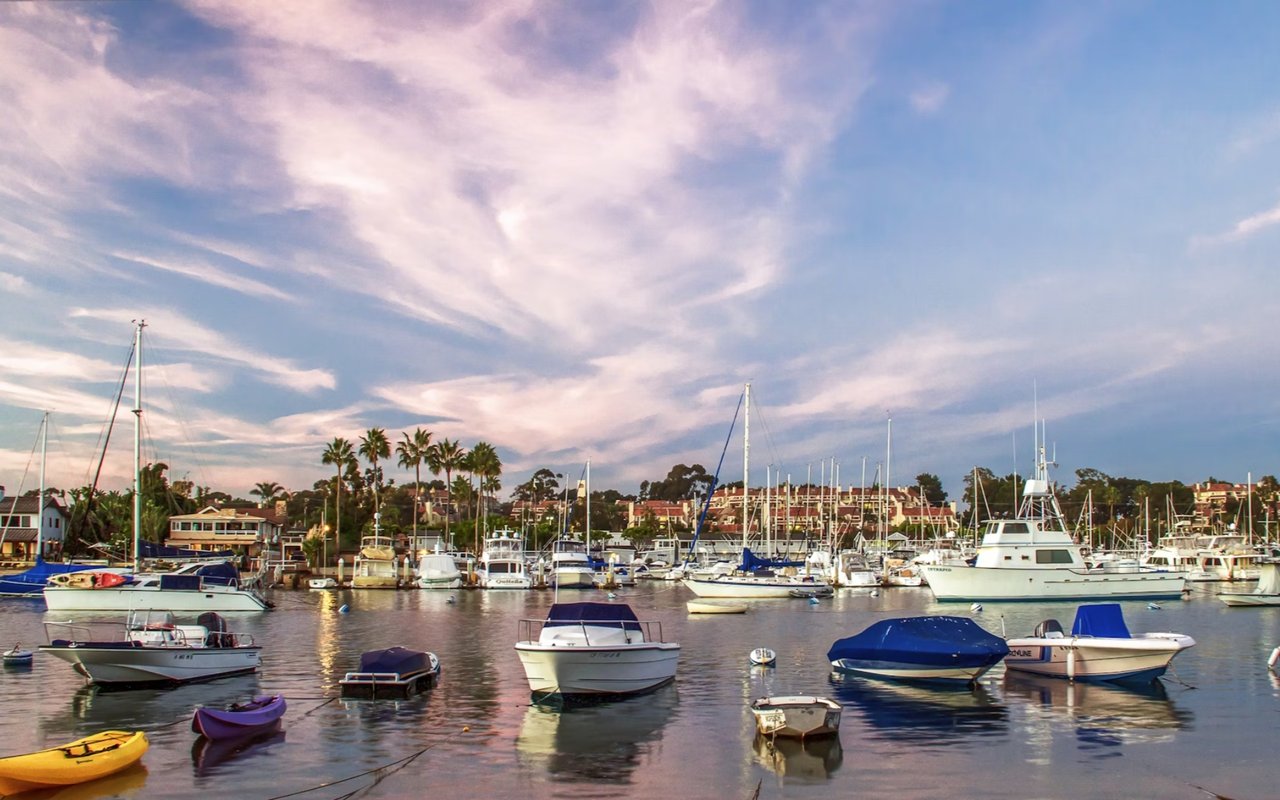
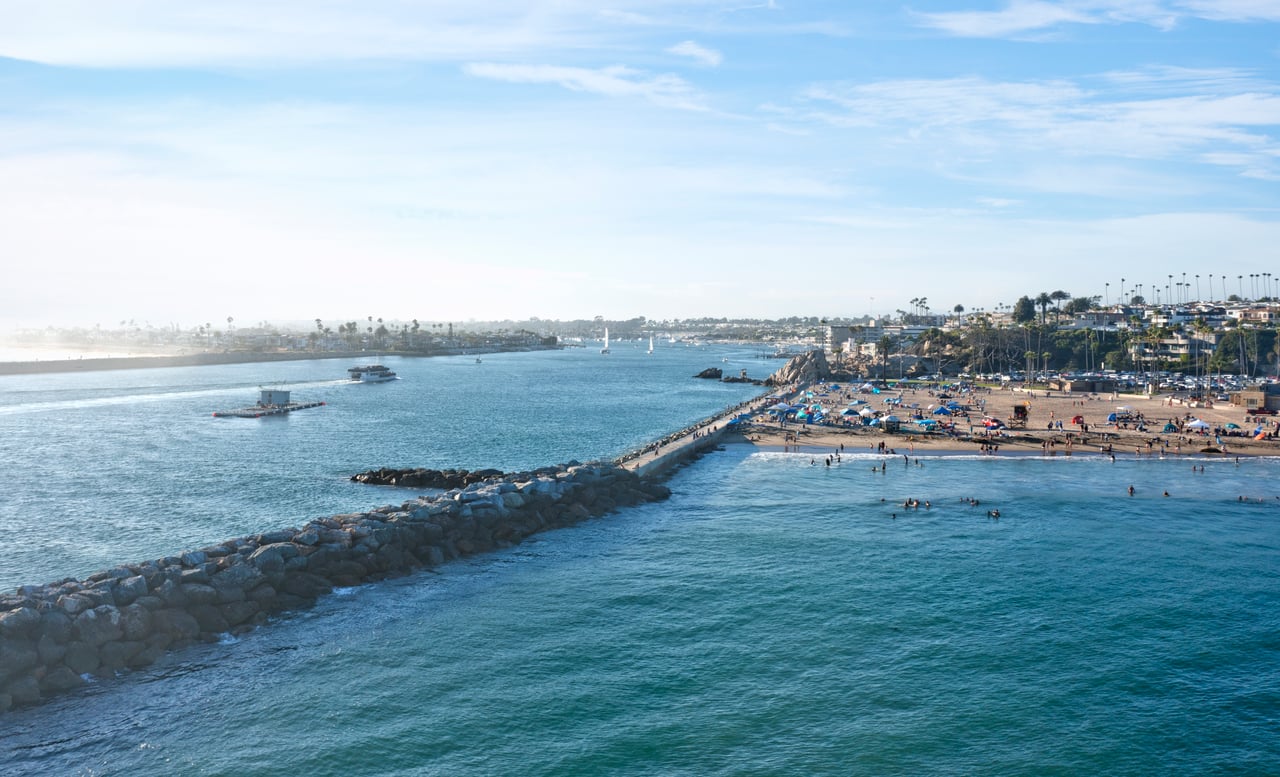
Irvine Terrace is a compact community of roughly 390 custom single-family homes, laid out on the ocean side of Pacific Coast Highway between Jamboree and Avocado, from PCH down to Bayside Drive. The lots were graded in the mid-1950s with a deliberate stepped elevation so that homes set back from the harbor still see over the ones in front. Bayadere Terrace and Dolphin Terrace form the top row and hold the widest panoramas of Newport Harbor, Balboa Island, the jetty, and Catalina.
Read that as a price ladder rather than a map and the market makes sense:
Tier | Typical stock | What the view holds |
|---|---|---|
Front row (Dolphin Terrace, upper Bayadere) | Rebuilt or brand-new estates, some legacy ranches held for decades | Unobstructed harbor mouth, jetty, Catalina, boat parade |
Mid rows (Seaview, Sandcastle, Santanella) | Mix of remodeled ranches and full rebuilds | Partial harbor and Catalina, framed by front-row roofs |
Interior lots (closer to PCH) | Original 1950s ranches, selective renovations | Peek views, treetops, occasional whitewater slivers |
Bayside-adjacent flats | Older single-level homes, some newer builds | Little to no water view, walkability to the harbor |
The premium travels with the sightline, not the address. A rebuilt house two rows back with a clean corridor over the front-row roofline can trade closer to a front-row number than to a flat-lot interior comp of the same square footage. That is the mechanism most first-look buyers miss.
Why the front-row premium is smaller than it looks
In most oceanfront-adjacent Corona del Mar pockets, the first row commands a step-change premium because the second row sees a wall. Irvine Terrace was engineered to prevent exactly that wall. The result is a view market that behaves less like a cliff and more like a staircase.
Practically, the price ladder compresses in two places and stretches in a third.
It compresses between the front row and the second row, because the second row still gets a usable view. It compresses again between the second and third row for the same reason. It stretches, sometimes dramatically, between any view lot and a true interior lot with no sightline, because the interior buyer is paying for the neighborhood, the park, and the walk to Fashion Island rather than for the harbor.
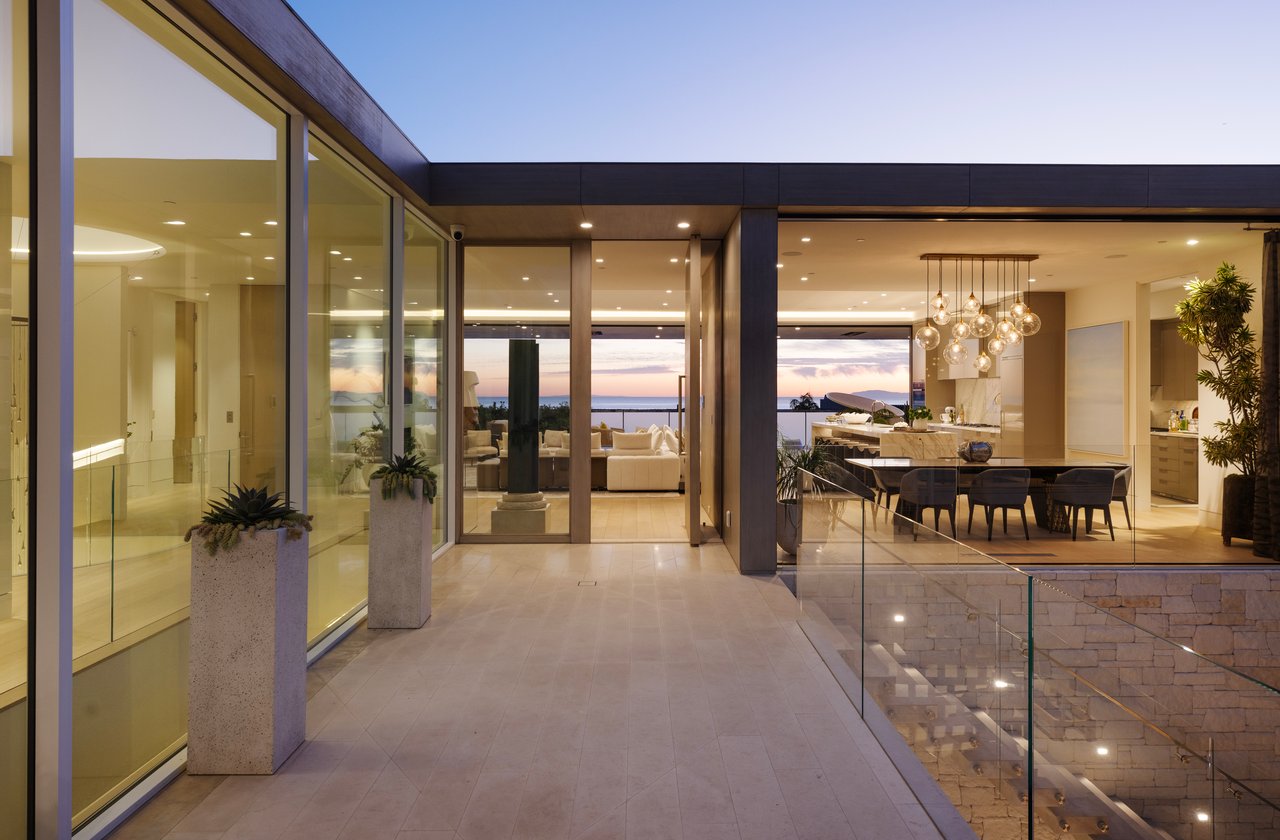
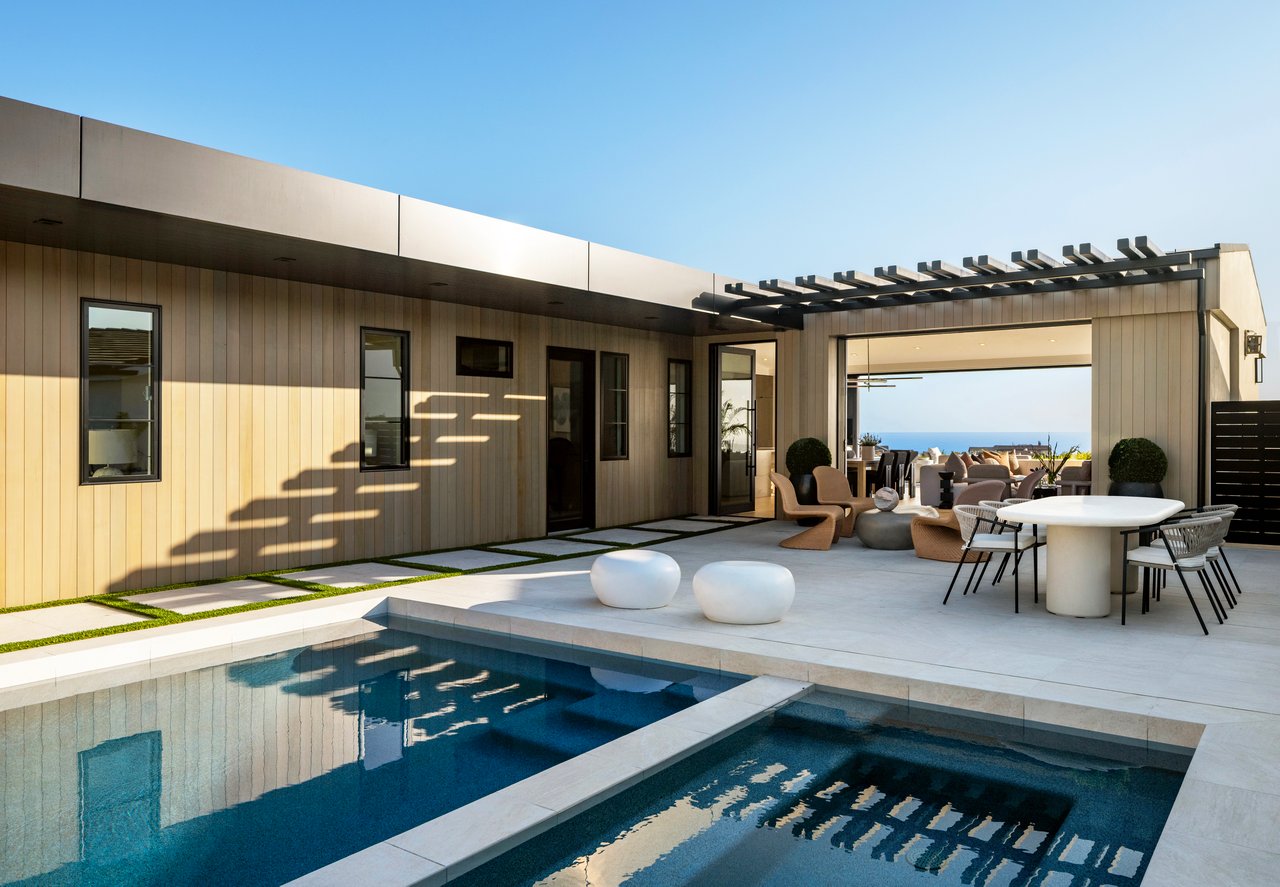
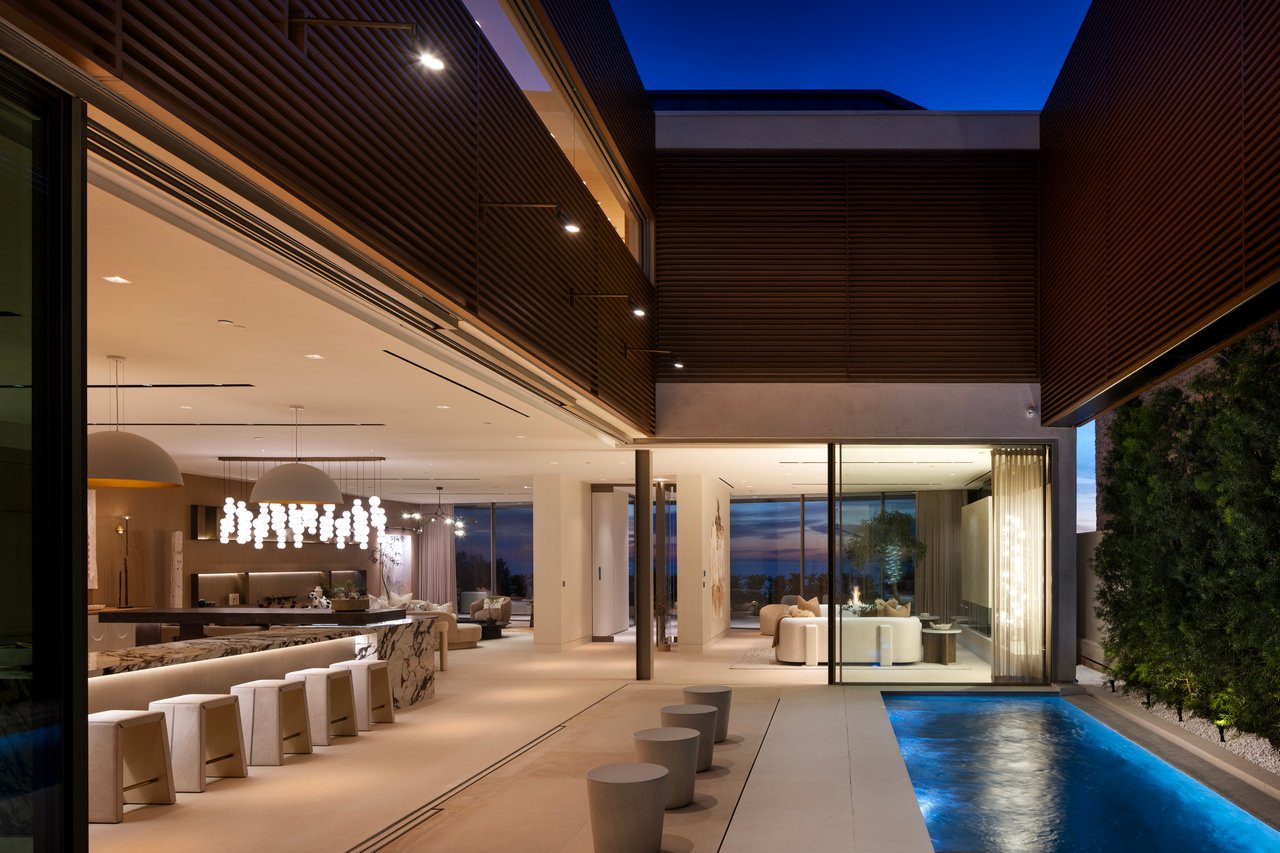
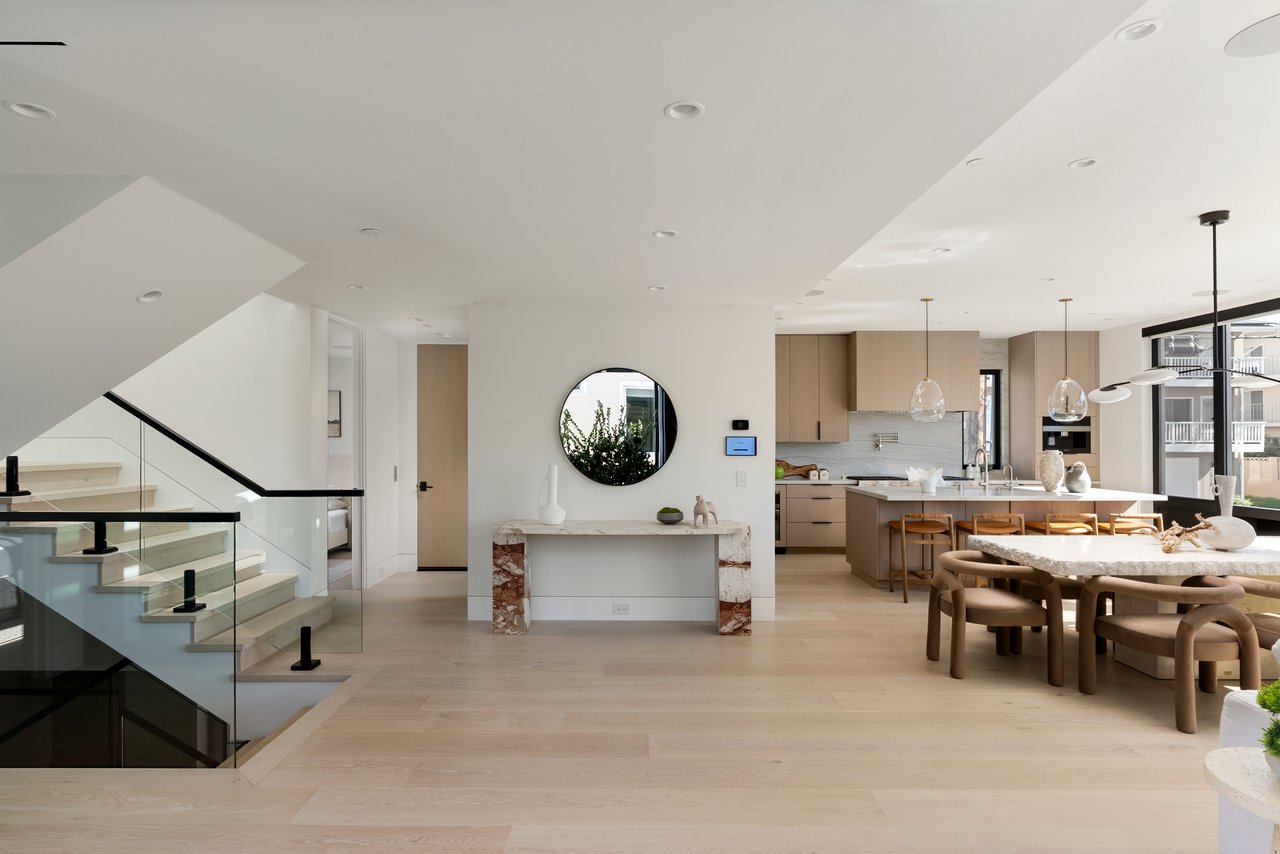
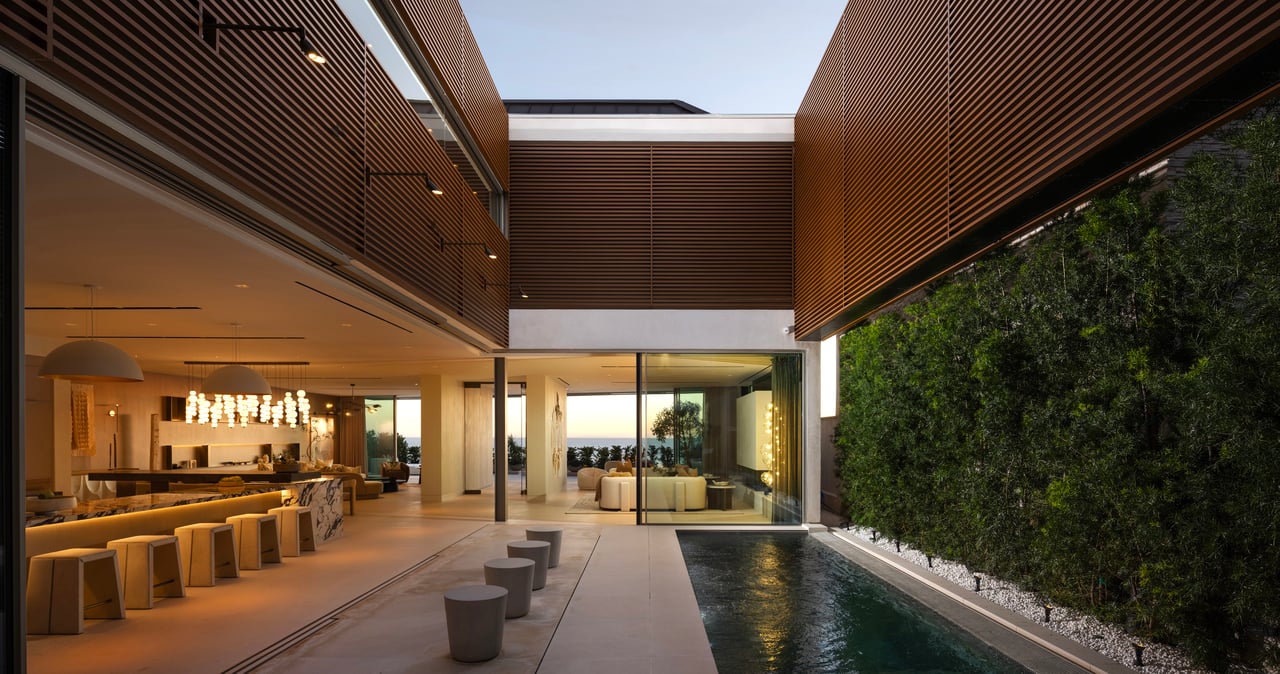
The public listing evidence from spring 2026 shows the top of the ladder clearly. A front-row rebuild at 1119 Dolphin Terrace, completed after a roughly six-year build and running about 10,311 square feet with a 65-foot lap pool, has been offered at $34,750,000. Front-row single-level legacy homes on Dolphin have been marketed on the view alone, positioned as fireworks-and-Boat-Parade seats rather than as finished product. The gap between those two listing archetypes on the same row is the rebuild premium, not the view premium. That distinction matters when you underwrite.
The rebuild economics hiding in a 1955 ranch
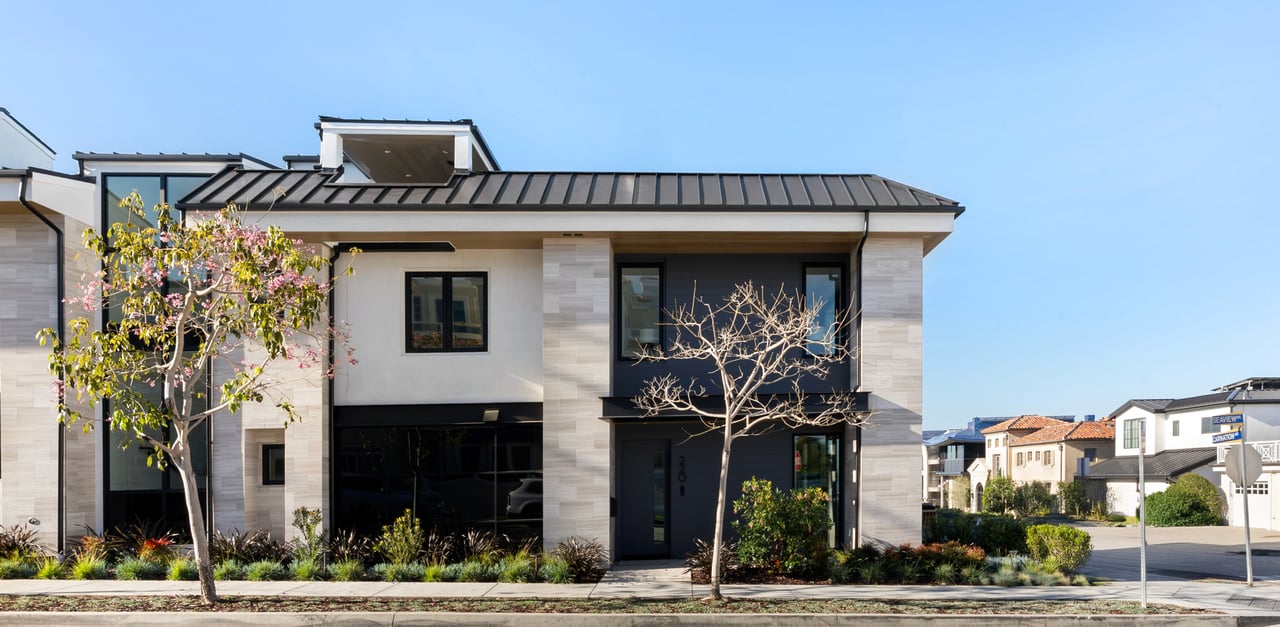
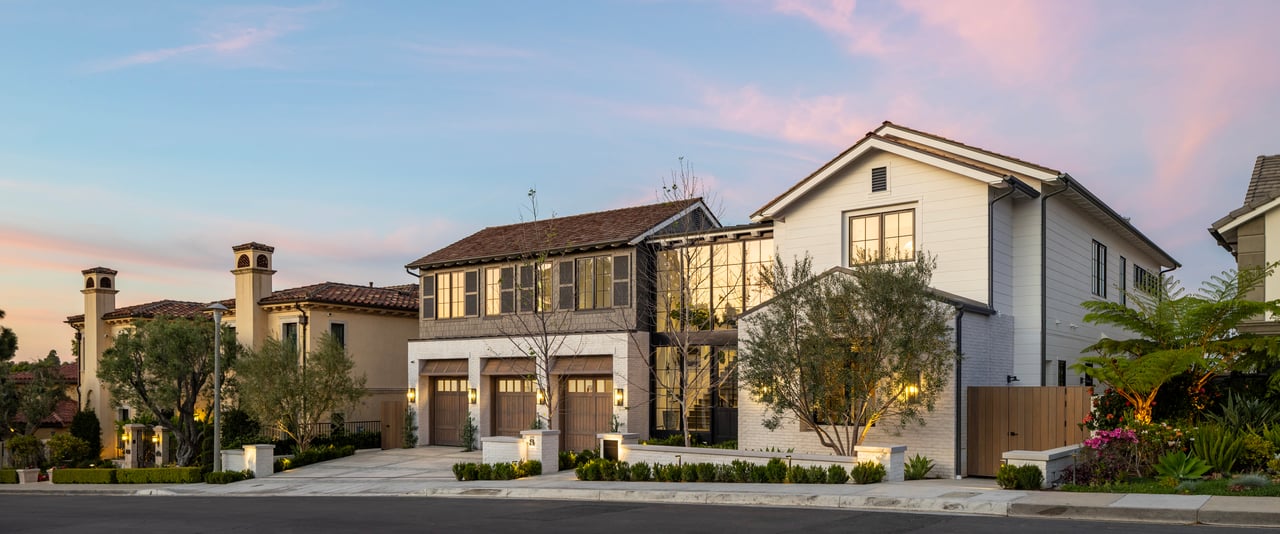
Irvine Terrace has a formal community association, but the dues are low and the architectural regime is famously light compared with the gated communities up the coast. Homes are custom, one by one, which is why the neighborhood reads as an anthology rather than a subdivision. The stock ranges from original mid-1950s ranches, generally trading in the $4 to $6 million band when they carry a usable view, to new contemporary estates on prime rows that have cleared $30 million.
That spread is not a range of finishes. It is an option value.
Every original ranch on a view lot is, in effect, two assets stacked on one parcel: a livable house today and a rebuild entitlement tomorrow. The buyer who pays $5 million for a tired single-level on Seaview is not buying 2,200 square feet of 1956 floor plan. They are buying the dirt, the elevation, the sightline corridor, and the right to replace the envelope with something that will trade against the Dolphin Terrace comps once it is finished. The rebuild math is what keeps a floor under original-stock pricing even when the house itself has depreciated to nearly zero.
Two implications follow, and both cut against the way the portals frame this market.
Price per square foot is a misleading metric on any Irvine Terrace lot with a rebuild path. The relevant unit is price per view corridor.
First, comping a remodeled 1950s ranch to a new-construction estate is not apples to oranges. It is early-stage apples to late-stage apples. The right question is how much of the ranch price is dirt and how much is house, and then whether the buyer intends to harvest the dirt.
Second, the elevation grade turns small siting decisions into large valuation decisions. A garage on the wrong side of the lot, a ridgeline pushed two feet higher than the setback allows, a neighbor's mature ficus that has been quietly climbing for a decade, any one of those can meaningfully move where the finished house sits on the ladder above. Design review here is quiet, but physics is not.
What to verify before you write an offer
The transaction-specific friction in Irvine Terrace shows up in due diligence, not in the MLS description. A short checklist for buyers past the browsing stage:
- Read the view, not the room. Walk the actual sightline from the primary living level, standing at the height a rebuild would place the great room. A ranch's ground-floor view is not the view your architect will design to.
- Map the neighbors' rooflines. Front-row rebuilds have finished at heights that reset what the second and third rows can see. Ask which adjacent parcels have been sold recently and whether any have submitted plans.
- Confirm the association scope. The Irvine Terrace Community Association is a light-touch, low-dues body. That is a feature for a rebuild buyer and a caveat for anyone assuming a gated-community level of view protection.
- Pull the permit history on the target and its neighbors. The City of Newport Beach permit records will tell you which houses on the row have been touched in the last decade and which are candidates for the next teardown cycle.
- Underwrite the dirt separately from the house. Two numbers, not one. If the dirt number alone is defensible against nearby land trades, the house is a rounding error either way.
- Time the offer to the season. The strongest view days in Irvine Terrace are the ones with the worst light for a listing photo. Winter afternoons and clearing marine layers show the ladder honestly.
FAQ
Is a front-row Dolphin Terrace lot always worth the premium over a second-row rebuild? Not automatically. If the second-row lot has a preserved corridor and a taller allowable envelope, the finished house can capture most of the front-row view at a materially lower land basis. The comparison is lot-specific and depends on what has already been built in front of you.
Do original 1950s homes still trade, or is everything a teardown? Both. Some buyers want the single-level footprint, the mature landscape, and a house they can live in from day one without a construction cycle. Others buy the same house intending to rebuild. The pricing tends to converge because the dirt is doing most of the work in either scenario.
How does Irvine Terrace compare with the Village for a buyer who wants walkability? The Village trades walkability to shops and beach for smaller lots and a denser street grid. Irvine Terrace trades a slightly longer walk for larger custom lots, a central park, and the view geometry. A buyer who values the CdM Village morning routine and a buyer who values the harbor panorama at sunset are usually not the same buyer, and the two markets price accordingly.
Irvine Terrace rewards the buyer who reads the hill before reading the listing. If you are weighing a rebuild path, a legacy hold, or a first purchase in this pocket of Corona del Mar and want a candid read on what your dirt is actually doing, VALIA Properties is here when you are ready. Let's Connect.